Review · TOURS
12-Day Morocco and South of Spain Tour from Madrid
The most unusual feature here is the sheer range: in 12 days, you move from Don Quixote country and Córdoba’s striped arches to Fez’s medina, Marrakech’s Jma El Fna Square, Granada’s Alhambra, and Toledo’s old streets. Spain and Morocco are joined by coach and ferry, so you see a lot without arranging separate hotels, tickets, and border crossings yourself.
I like the excellent headline sights, especially the Mezquita in Córdoba and the Alhambra, and I like having several nights with free time rather than being escorted every minute. The trip also benefits from strong Spanish guides such as Ishmael and Ellie, according to the information available, though guide assignments can change. The main catch is the pace: long coach and ferry days, several hotel changes, and a Moroccan section that has not been equally consistent in guiding, meals, or rooms.
In This Review
- Key points at a glance
- What you are really buying for $2,425.18
- Madrid to Córdoba through Don Quixote country
- Seville’s cathedral, gardens, and grand plaza
- Ronda and the Costa del Sol
- Crossing the Strait of Gibraltar
- Fez and the medieval medina
- Meknes and Rabat on the road south
- Marrakech after sunset
- Casablanca’s mosque and the trip north
- Granada’s Alhambra and Toledo’s three cultures
- Group size, meals, luggage, and comfort
- Who should book this Spain and Morocco tour?
- FAQ
- Where does the tour start and finish?
- Does the tour include the ferry to Morocco?
- Which admission tickets are included?
- Are meals included?
- How much luggage can I bring?
- Is a passport required for Morocco?
- Should you book it?
Key points at a glance
- Two countries in one route: Travel from Madrid through Andalucía, cross from Tarifa or Algeciras to Morocco, then return by ferry.
- Major historic sights included: Entrance is covered at Córdoba’s Mosque-Cathedral, Seville Cathedral, and Granada’s Alhambra.
- Morocco’s imperial cities: Fez, Meknes, Rabat, and Marrakech provide the trip’s strongest cultural contrast.
- A bilingual group setting: The tour is conducted in English and Spanish and can include up to 50 people.
- Hotels and meals are bundled: Selected 3 or 4-star accommodation, 11 breakfasts, five dinners, lunch, and transport are included.
- Pack light: You are limited to one suitcase weighing up to 29 pounds, plus one carry-on bag.
What you are really buying for $2,425.18
At $2,425.18 per person, this is not a bare-bones bus transfer. The price includes 11 nights of selected accommodation, air-conditioned motor-coach transport, the ferry crossing, a bilingual escort, local guided visits, travel insurance, 11 breakfasts, five dinners, lunch, and entry to three expensive headline attractions.
That package can be good value if you want a ready-made route. Córdoba, Seville, Fez, Marrakech, Casablanca, Granada, and Toledo would require careful hotel planning and several transport bookings if handled independently. The included Alhambra entry is particularly useful because access is controlled and advance planning matters.
The price is less attractive if you prefer slow travel, boutique hotels, or control over every meal and room. Food and drinks outside the listed meals are extra, as are optional activities. Hotel standards also vary between Spain and Morocco, even when the stated class looks similar on paper.
The accommodation record appears mixed. Some bookings have produced excellent hotels, especially on upgraded or superior packages, while other stays have involved tired rooms, weak air conditioning, poor views, or disappointing buffet service. I would treat the hotel category as functional rather than luxurious, and I would ask about any available upgrade before paying.
Other Madrid days people book alongside this one:
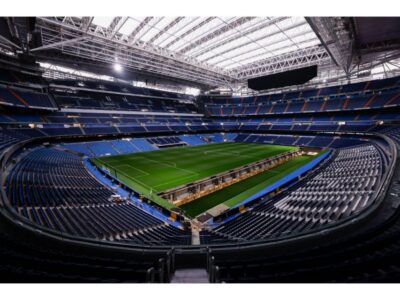
- Madrid: Tour Bernabéu Entry Ticket
★ 4.5 · 21,573 reviews - Madrid: Prado Museum Entry Ticket
★ 4.6 · 17,509 reviews - Madrid: Royal Palace Fast-Access Admission Ticket
★ 4.6 · 13,856 reviews
Madrid to Córdoba through Don Quixote country
The first morning begins at 8:00 a.m. outside the Aloft Madrid Gran Via on Calle de Jacometrezo. There is no hotel pickup, so you need to reach the meeting point with your luggage before departure.
The coach heads through Castile-La Mancha, the country associated with Don Quixote. A short stop in Puerto Lapice gives you a quick taste of the region before the route continues through Despeñaperros into Andalucía. The stop is only about 15 minutes, so think of it as a stretch of the legs and a photo opportunity, not a full visit.
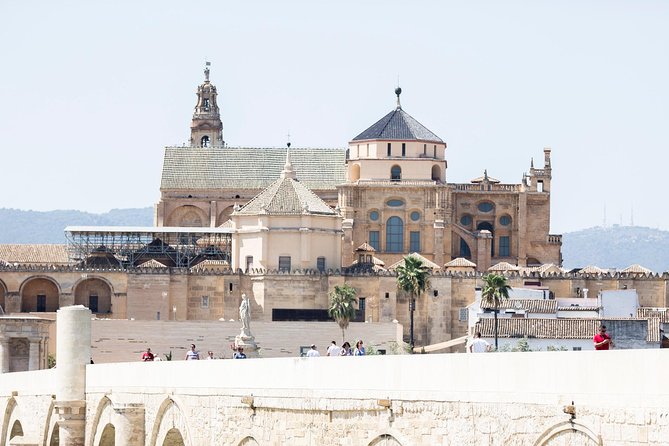
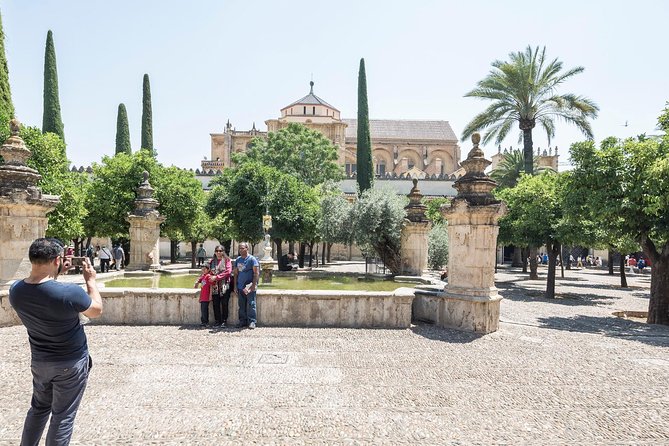
Córdoba is the first major reward. You spend about two hours visiting the Mezquita Cathedral, one of Spain’s most memorable buildings. Its forest of arches reflects Córdoba’s Islamic past, while the cathedral inserted into the center gives the building its unusual Christian-Muslim character.
The visit continues through the narrow streets of the Jewish Quarter. This is a useful first lesson in the layered cultures that shape southern Spain, but the time is short. You will see the key areas with a guide rather than wander every lane at your own speed.
After Córdoba, the coach takes roughly two hours to Seville. That evening transfer is manageable, though the opening day is already a full one. Wear shoes suitable for uneven old-town streets and keep your carry-on easy to reach.
Seville’s cathedral, gardens, and grand plaza
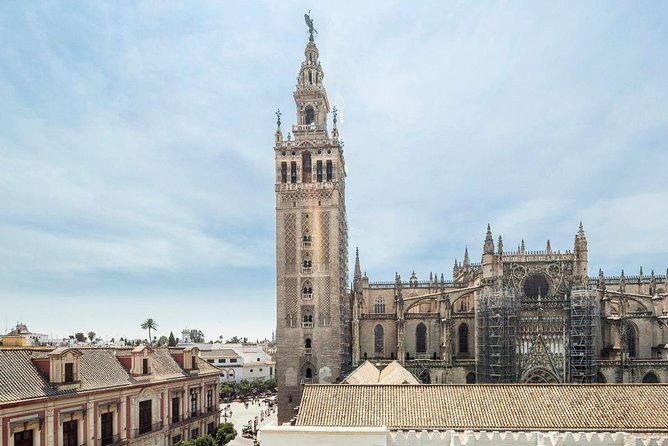
Seville receives a better share of the schedule than some later stops. A panoramic city tour includes Seville Cathedral, described as the second-largest Catholic church in the world after St. Peter’s in Rome. Entry is included, and the visit lasts about 30 minutes, so expect a focused introduction rather than an unhurried study of every chapel.
The Barrio Santa Cruz brings you into the old quarter associated with Carmen and the Don Juan legend. The streets are compact and atmospheric, but the tour’s value comes from context as much as from sightseeing. A good guide can explain how Seville’s Christian, Jewish, and Islamic pasts overlap.
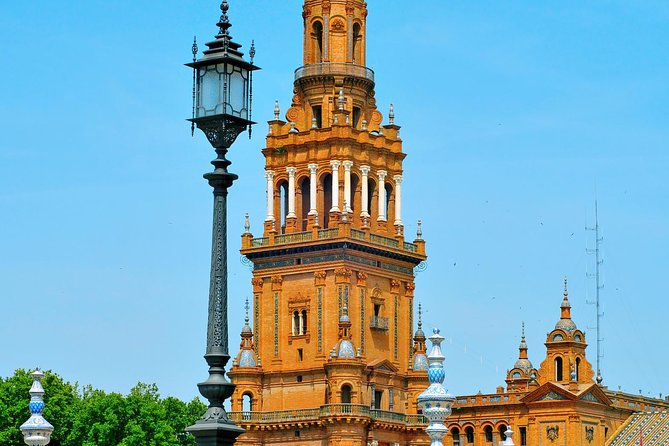
You also visit Maria Luisa Park and Plaza de España. The plaza’s tiled alcoves represent Spain’s provinces and make it one of the easiest places on the route to appreciate through a short visit. One hour in the park and 30 minutes at the plaza give you time to look around, though not enough for a relaxed afternoon.
The Spanish portion has earned some of the strongest praise, with guides including Ishmael and Ellie singled out for their care and information. Since the tour is bilingual, explanations may be given in English and Spanish. If you speak only English, confirm how much time the guide normally gives each language.
Ronda and the Costa del Sol
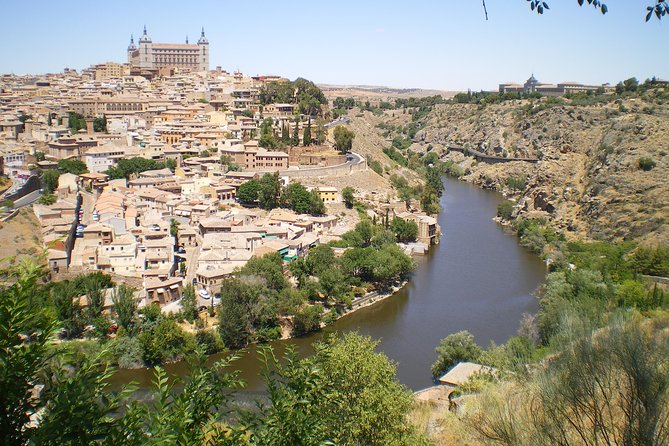
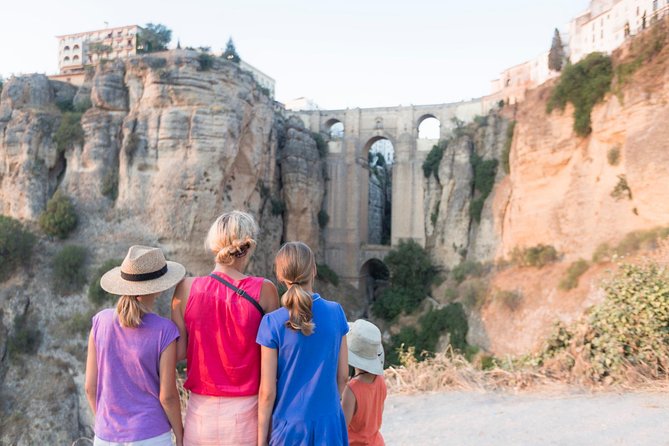
Ronda is a pleasant change of pace after two major cities. The town has Celtic origins and sits above a dramatic valley and mountain setting. You receive about two hours of free time, enough to admire the views and walk through the historic center at your own rhythm.
That freedom is welcome, but the visit is not a deep exploration. You will not have time to treat Ronda as a full-day destination, and the schedule then continues to the Costa del Sol. Accommodation is provided in the resort area, often around Torremolinos.
The Costa del Sol stop is practical rather than deeply cultural. It breaks up the route before Morocco and gives you a night near the ferry departure area. Hotel quality and buffet service have been uneven here, so it is wise to keep expectations closer to a standard tour stop than a seaside holiday.
A different sort of afternoon around Madrid:
- Madrid: “Emociones” Live Flamenco Performance
★ 4.8 · 12,866 reviews - Madrid: Panoramic Route City Tour
★ 4.1 · 12,259 reviews - Madrid: Live Flamenco Show with Food and Drinks Options
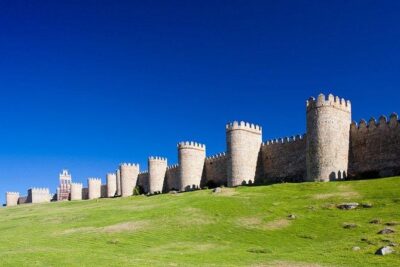
★ 4.5 · 9,901 reviews - Avila & Segovia Tour with Tickets to Monuments from Madrid
★ 5.0 · 9,762 reviews
Crossing the Strait of Gibraltar
The crossing to Morocco is one of the trip’s most memorable ideas and one of its biggest logistical risks. The coach follows the Costa del Sol to Algeciras or Tarifa, then you board a ferry across the Strait of Gibraltar.
You must take your luggage through customs. A current passport is required, and passport name, number, expiry date, and country are needed at booking. The operator needs passport information at least 30 days before departure to manage the Morocco crossing, and you are responsible for checking visa requirements.
The ferry itself may be brief, but the full travel day is not. Driving to the port, handling customs, waiting for departure, crossing, and continuing by coach to Fez can consume most of the day. Some schedules have involved roughly eight hours of combined transport and waiting, so do not picture a quick boat ride followed by an afternoon in Morocco.
The route continues through Larache toward Fez. Dinner and a hotel night are included, but your arrival time depends on the border and road conditions. Keep medication, documents, water, and a change of clothes in your carry-on rather than in the suitcase stored under the coach.
Fez and the medieval medina
Fez is one of the strongest reasons to choose this journey. The city tour includes the Royal Palace gates, the Mellah or Jewish Quarter, Bab Bou Jeloud, and a walk in the old medina, a UNESCO World Heritage site.
The medina is a place where a local guide matters. Its lanes can feel confusing, and the tour gives you a structured introduction to old schools, religious buildings, and traditional streets. The University of Karaouyne is also part of Fez’s cultural importance.
The afternoon is free, which sounds generous. In practice, you should ask your guide exactly where you may go independently and how to return to the hotel. Some group schedules discourage entering the medina alone, which can make free time less useful than it appears.
There is also an optional dinner with a show. That can add an evening of music and performance, but it is not included in the stated price. Be alert to the balance between sightseeing and shopping. Some city tours can devote substantial time to carpet, leather, textiles, or craft shops. If you want more historic detail, say so early and clearly.
Meknes and Rabat on the road south
The advertised highlights include Bab Mansour Gate in Meknes, one of Morocco’s great imperial entrances. The supplied daily schedule gives fuller detail for Rabat than Meknes, so confirm whether Meknes is a separate stop on your departure date and how much time you will have there.
Rabat is Morocco’s administrative and diplomatic capital. The visit includes the exterior of the Royal Palace, the Mausoleum of Mohammed V, and Hassan Tower. These monuments make Rabat a useful counterpoint to the maze of Fez: the city feels more formal, open, and ordered.
The road to Rabat and then Marrakech is another long transfer. You will see more of Morocco from the coach, but you will give up time that could otherwise go to museums, neighborhoods, or a slower meal. This is a route for first impressions, not a relaxed study of each city.
Guide quality is especially important in Morocco. The schedule uses a Moroccan partner and local guides, and the experience can vary. A bilingual guide in Rabat has been particularly well regarded, while other departures have had less engaging escorts or weak bus audio. If you cannot hear, raise the issue immediately rather than trying to follow an entire day from the back of the coach.
Marrakech after sunset
Marrakech supplies the tour’s most dramatic atmosphere. The route includes Menara Gardens, an exterior view of Koutoubia Mosque, the medina, the souks, and Jma El Fna Square.
The square changes character through the day and becomes the center of Marrakech’s street performance scene, with fortune tellers, snake handlers, acrobats, and dancers. It is crowded and intense, so stay with the group during the first orientation and agree on a meeting point before wandering.
A full day at leisure follows the guided visit. This is one of the tour’s better design choices. You can return to the souks, sit in the square, take an optional excursion, or simply rest after the long Moroccan drives.
Marrakech is also where the value of a central hotel matters most. A centrally located property cuts down the time needed to reach the medina, although the exact hotel and walking distance can change. Dinner and accommodation are included, but drinks and other meals are not.
Casablanca’s mosque and the trip north
Casablanca is presented as Morocco’s economic and industrial center. The panoramic visit covers Anfa, United Nations Square, the Habbous neighborhood, Boulevard de la Corniche, and the exterior of Hassan II Mosque.
The mosque is the key sight. It is a grand building by the Atlantic and one of the most important monuments on the route. The schedule, however, may allow only a short photo stop or exterior visit. If seeing the inside matters to you, ask before departure whether entry is included on your date. The stated inclusions list does not include a Hassan II Mosque entrance ticket.
The route then continues to Tangier. The Tangier portion includes the Casbah before transfer to the port for the ferry back to Tarifa. This return crossing can become a very long day if ferry schedules or port procedures go badly, so keep the next day’s plans modest.
Granada’s Alhambra and Toledo’s three cultures
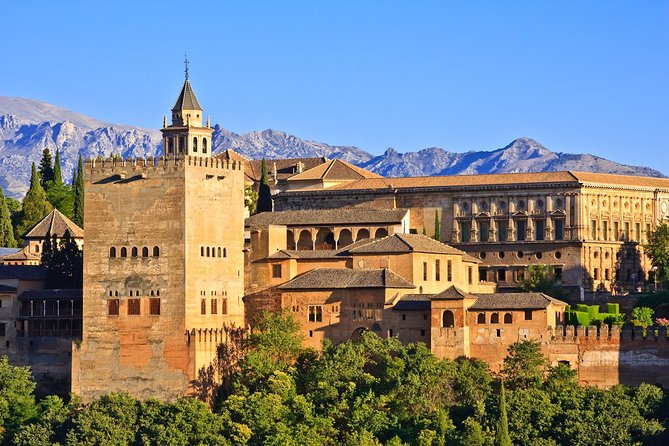
Granada is one of the trip’s great payoffs. The Alhambra and Generalife Gardens receive a guided visit with entry included. The complex was the last stronghold of the Moorish kingdoms in Spain until 1492, and its courtyards, gardens, and water features reward close attention.
Two hours is enough to see the main areas, but not enough to linger over every detail. Several accounts suggest Granada deserves more time, and I agree with that judgment. The afternoon is free, though the evening may also offer an optional flamenco show in Sacromonte.
Toledo closes the journey with another layered city. The guided walk through the old town shows how Christian, Moorish, and Jewish traditions shaped this World Heritage city. Expect narrow streets and a compact overview, not a full museum day.
After Toledo, the coach returns to the original meeting point in Madrid. The final day combines a major destination with the transfer home, so it is useful but not leisurely.
Group size, meals, luggage, and comfort
The maximum group size is 50 people. That is large enough to affect street walks, restaurant seating, audio systems, and the speed of boarding the coach. Some departures may feel smaller, but you should book with the 50-person limit in mind.
The bilingual format can be an advantage if you enjoy a mixed group, but it can also lengthen explanations. English speakers should confirm that the guide uses a functioning microphone and gives equal attention to both languages.
You receive 11 breakfasts, five dinners, and lunch, with other food and drinks at your own cost. Hotel buffets have ranged from very good to disappointing, and one poorly chosen roadside meal can matter on a long Moroccan driving day because alternatives may be limited.
The luggage rule is strict: one suitcase up to 29 pounds, or 13 kilograms, plus one carry-on. That is sensible for a route with several hotel changes, but it demands careful packing. Bring comfortable walking shoes, modest clothing for religious settings, basic medication, and a small day bag for ferry and customs periods.
Most people can take part, but moderate walking is involved. Old quarters in Córdoba, Fez, Marrakech, and Toledo have uneven surfaces, and the coach days can be tiring even when the walking itself is manageable.
Who should book this Spain and Morocco tour?
You should consider it if you want a broad first look at two countries and value having transport, hotels, guides, and major tickets arranged. It suits a family group, a first-time visitor, or anyone who would rather follow a clear route than negotiate Spanish rail connections, Moroccan transfers, ferries, and border formalities alone.
You may prefer a slower independent trip if you want several nights in one place, long museum visits, independent restaurant choices, or guaranteed English-only guiding. The Moroccan section is particularly demanding, and the experience depends heavily on the assigned escort, local guides, hotel allocation, ferry timing, and group mix.
The cancellation terms are worth noting before you pay. A full refund is available when you cancel at least six full days before departure, a 50 percent refund applies two to six days before departure, and cancellations within two days are nonrefundable.
FAQ
Where does the tour start and finish?
The tour starts at 8:00 a.m. at Aloft Madrid Gran Via, C. de Jacometrezo, 4, in central Madrid. It ends back at the same meeting point.
Does the tour include the ferry to Morocco?
Yes. The route crosses the Strait of Gibraltar by ferry from the Algeciras or Tarifa area and returns by ferry from Tangier to Tarifa.
Which admission tickets are included?
Admission is included for Córdoba’s Mosque-Cathedral, Seville Cathedral, and Granada’s Alhambra. Other entrance fees are not listed as included.
Are meals included?
The package includes 11 breakfasts, five dinners, and lunch. Other food and beverages are not included unless specifically provided.
How much luggage can I bring?
Each person may bring one suitcase weighing no more than 29 pounds, or 13 kilograms, and one carry-on bag.
Is a passport required for Morocco?
Yes. You need a current valid passport on the travel date, and passport details must be supplied for all participants. You are responsible for checking and obtaining any required visa before the border crossing.
Should you book it?
Book this tour if your priority is seeing the major sights efficiently, especially Córdoba, Seville, Fez, Marrakech, the Alhambra, and Toledo, without arranging the complicated transport yourself. The Spanish portion appears to offer the steadier service, while Morocco supplies the strongest sense of discovery but also the greater risk of long drives, uneven hotels, shopping-focused visits, and guide inconsistency.
My practical advice is to choose it with open eyes, pack light, confirm the language arrangements, ask about hotel upgrades, and accept that the ferry days may swallow most of the day. If that tradeoff sounds fair, $2,425.18 buys a substantial amount of sightseeing in two countries. If you want depth rather than breadth, spend your 12 days in Spain and Morocco separately.
Just added around Madrid
- Private Vacation Photography Session with Photographer in Madrid★ 5.0 · 3 reviews
- Arrival Private Transfer from MAD Airport to Madrid in a Minibus★ 5.0 · 3 reviews
- Segovia: 3-Hour Private Walking Tour★ 5.0 · 3 reviews
- Tour Segovia and La Granja de San Ildefonso from Madrid★ 5.0 · 3 reviews
- Madrid: Prado & Reina Sofia Museum Skip-the-Line Guided Tour★ 5.0 · 3 reviews
- Salamanca: Private Guided Customizable Walking Tour★ 5.0 · 3 reviews
- Total Reboot and Renew with top wellnes 3 hours couple experience★ 5.0 · 3 reviews
- Madrid: Prado Museum Private Tour★ 5.0 · 3 reviews
Tours, compared.
Avila & Segovia Tour with Tickets to Monuments from Madrid
Read our review →
Segovia and Toledo Tour, Alcazar, and Cathedral
Read our review →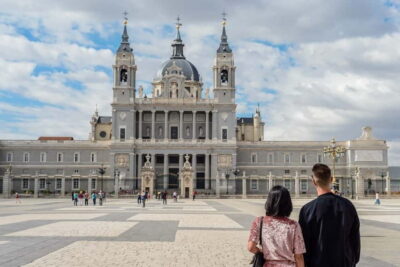
Royal Palace Expert Guided Tour with Skip-the-Line
Read our review →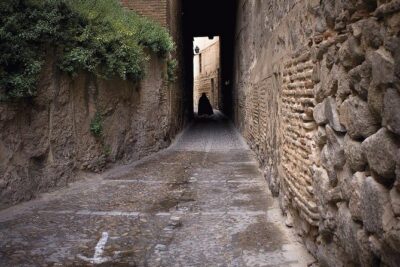
Toledo Tour from Madrid: Cathedral, Synagogue & St. Tome’s Church
Read our review →
Toledo Half or Full Day Tour with Optional Lunch from Madrid
Read our review →
Toledo & Segovia Full Day Guided Tour with Alcázar
Read our review →