
Review · WINE TOURS
6 Day Wine and Gastronomy Tour of Northern Spain
Northern Spain gives you two very different trips in one: serious wine country inland, then a seafood-and-pintxos coast shaped by Basque and French culture. This six-day private route takes you from Madrid to Bilbao, with winery visits led by winemakers, historic cellars, mountain viewpoints, fishing towns, and the Guggenheim Museum.
I especially like the chance to taste wines with the people who make them, and the thoughtful route through Ribera del Duero, Rioja, San Sebastián, Biarritz, and Bilbao. Rebeca organizes local guides for different days, which helps you get more than a standard bus tour. The main drawback is pace: several days run seven to nine hours, and hotels, breakfasts, and dinners are not included.
In This Review
- Key points at a glance
- From Madrid to Ribera del Duero’s underground cellars
- Two sides of Rioja Alta in one long day
- Rioja Alavesa, chateau views, and bold architecture
- San Sebastián, where food and scenery share the stage
- Three coastal towns from France to Spain
- Biarritz
- Saint-Jean-de-Luz
- Hondarribia
- Jaizkibel
- Bermeo, Gaztelugatxe, and the road into Bilbao
- What the $2,387.46 price covers
- Practical details before you commit
- Who will enjoy this six-day route most?
- Should you book it?
- FAQ
- Where does the tour start?
- Where does the tour end?
- How many days does the experience last?
- What is the maximum group size?
- Can two people book the tour?
- Are hotels included?
- Are breakfasts and dinners included?
- Is transportation included?
- Are wine tastings included?
Key points at a glance
- Meet the winemaker in Ribera del Duero: Learn how altitude, weather, soil, and grape selection shape the wine before tasting bottles from the same estate.
- Compare old and new Rioja: Visit an estate winery, a 19th-century cellar, and a modern architectural showpiece across two Rioja districts.
- Stay in small groups: The private tour runs for a minimum of two people and accepts a maximum of eight.
- Cross the Basque coast by car: See San Sebastián, Biarritz, Saint-Jean-de-Luz, Hondarribia, Jaizkibel, and Bilbao without arranging several separate day trips.
- Finish at San Juan de Gaztelugatxe and the Guggenheim: The final day combines a dramatic sea crossing, fishing culture, city sightseeing, and modern art.
- Plan for your own lodging and meals: The price covers transport, guides, and listed winery and attraction visits, but not hotels, breakfasts, or dinners.
From Madrid to Ribera del Duero’s underground cellars

Your first morning begins with a 9 a.m. hotel pickup in Madrid. You can hand over your luggage and let the driver take care of the route toward Ribera del Duero, an easy way to avoid a first-day car rental and several hours of navigation.
The wine introduction takes place at a small, family-run boutique winery. This is the sort of stop that gives the tour its character. Rather than only hearing a polished presentation in a large tasting room, you meet the winemaker and hear how the vineyard conditions shape the final wine.
Pay attention to the details here. Ribera del Duero is known for demanding growing conditions, and the discussion covers altitude, weather, soil, and grapes. You then taste several wines made by the person who has guided those choices from the vineyard to the bottle.
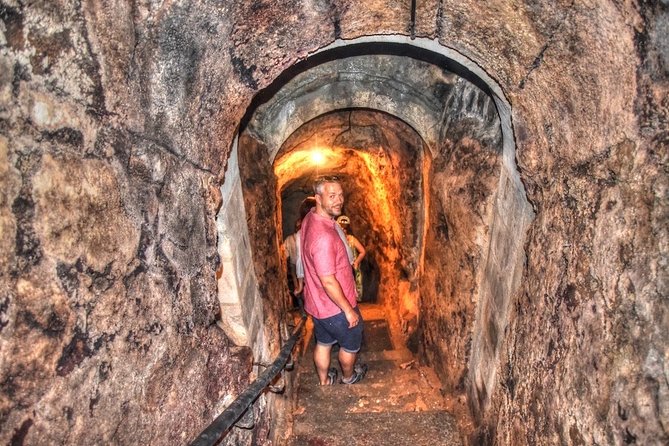
After the tasting, the route continues to Aranda del Duero. This Castilian city has more than 1,000 years of history, but the most unusual stop is below street level: an underground winery in the old town. These historic wine tunnels offer a useful contrast to the family estate. Above ground, you see a lived-in Spanish city. Below it, you get a sense of how wine production once fit into the fabric of town life.
The first day lasts about seven hours and includes admission. It is a good opening because you learn the basics of the region before moving into more specialized Rioja visits. The tradeoff is that you will spend a fair amount of time on the road, so this is not a slow village holiday.
More Madrid wineries worth an afternoon:
- Toledo Tour & Vineyard Walk with Wine Tasting from Madrid
★ 5.0 · 2,546 reviews - Madrid: Tapas & Wine Tasting Tour with Local Guide
★ 4.8 · 2,171 reviews - Madrid Tapas & Wine Tour with Rooftop Views and Local Guide
★ 5.0 · 2,047 reviews
Two sides of Rioja Alta in one long day
Day two focuses on Rioja Alta and lasts about nine hours. That length lets the tour show you different chapters of Rioja instead of taking you to one cellar and calling it a wine day.
The first stop is a special estate winery. Estate production matters because the winery has closer control over the grapes and the place where they are grown. The winemaker explains what makes these wines different and outlines the requirements set by the Rioja Control Board.
This visit is especially useful if Rioja labels have always seemed confusing. You taste different styles, including a comparison between classic Rioja and modern Rioja. The point is not to declare one style better. You get a clearer sense of how oak, fruit, age, and winemaking choices can change the character of the same broad wine region.
Next comes one of Rioja’s famous centennial wineries, founded in the 19th century. Rioja’s wine identity changed sharply at the end of that century, when producers began aging wine in oak barrels. That tradition later became linked with categories such as Crianza and Reserva.
A historic cellar can make those terms easier to understand. Instead of treating Crianza and Reserva as words on a menu, you see how time and barrel aging fit into the regional method. Admission is listed as free for this day, while the tour package includes guided vineyard visits and wine tastings in Rioja and Ribera del Duero.
Nine hours is a full day, particularly if you are drinking several wines and taking notes. I would treat this as an educational tasting day, not a casual stop between other activities. Your hotel remains your responsibility, so confirm the pickup location and allow time to get ready before the 9 a.m. start.
Rioja Alavesa, chateau views, and bold architecture
The third day moves into Rioja Alavesa, again for about nine hours. This part of the program shifts the emphasis from cellar traditions to setting, design, and the newer face of Rioja.
You begin at a chateau-style winery surrounded by vineyards. There are only a few wineries in Rioja with this look, and the setting gives you a different view of wine culture than the underground cellars of Aranda or the centennial winery from the previous day.
The stop includes time outside, an explanation of the winery’s history, and a tasting of its best wines. It is a good moment to slow down and enjoy the views. The tour is not only about what is in the glass. It also shows how wineries use buildings, gardens, and placement among the vines to shape the experience.
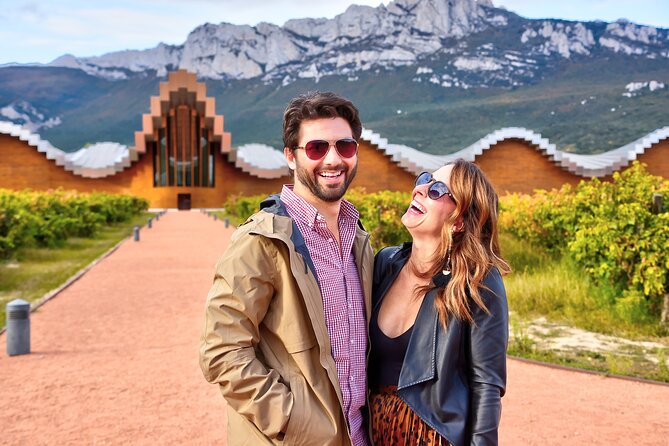
Later, you visit an avant-garde winery designed by a major international architect. These 21st-century buildings have changed the visual identity of Rioja. Some people will find the design fascinating, while others may prefer the older cellars and direct farm connection of the small Ribera winery.
That contrast is useful. Across the first three days, you see a family producer, traditional underground spaces, a historic Rioja institution, a chateau setting, and a modern architectural project. The program gives you a broad picture of the region instead of presenting one version of Spanish wine as the whole story.
The two Rioja days are similar in length, and that can feel repetitive if you are only mildly interested in wine. If you enjoy tasting, production methods, and the difference between classic and modern styles, the repetition becomes a strength. If your partner is less keen on wine, the later coastal days may be the better reason to book.
San Sebastián, where food and scenery share the stage
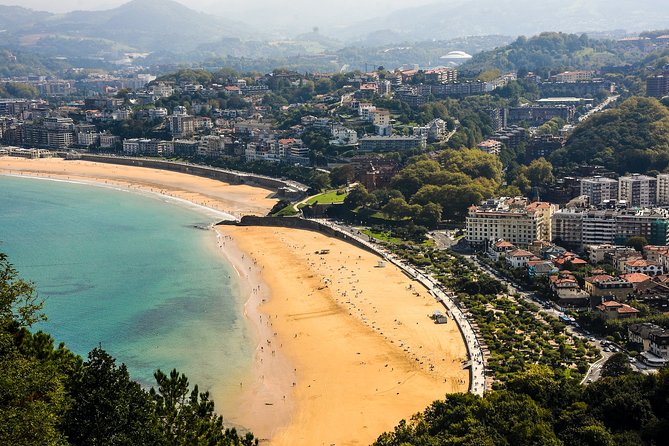
On day four, you leave Rioja with your luggage and travel directly to San Sebastián. The drive changes the mood of the trip. You move from inland vineyards to the Bay of Biscay, with the city’s La Concha bay and French-influenced architecture setting the scene.
A walking tour introduces the main sights, then adds panoramic views and less obvious corners of the city. The guide also explains how San Sebastián became a major destination after Queen Isabel II helped bring royal attention to the resort.
San Sebastián is one of the best places on this route to plan an independent dinner. The tour does not include dinners, and that gives you freedom to choose your own style and budget. You might prefer a long meal, a simple bar crawl through pintxos spots, or something in between. The program’s food focus is strongest when paired with your own evening choices.
The day lasts about eight hours. Since you have just changed cities, it is worth keeping your luggage organized and confirming where you will be dropped off. Private transport makes this transfer simple, but you still need to book your San Sebastián hotel separately.
A few more Madrid days to weigh up
- From Madrid: Gems of Andalusia 6-Day Sightseeing Tour
★ 4.0 · 258 reviews - 6 Day Portugal Tour including Lisbon and Fatima from Madrid
★ 4.0 · 9 reviews - Andalusian Highlights: 6-Day Guided Tour from Madrid
★ 4.0 · 6 reviews - From Madrid: Andalusia with Cordoba and Costa del Sol 6 Days
★ 4.1 · 6 reviews
Three coastal towns from France to Spain
Day five is a full coastal outing from San Sebastián, with four stops and roughly seven hours of sightseeing time. It is one of the most varied days because each town has a different identity.
Biarritz
The first two-hour stop is Biarritz, once a whaling village and later a luxury resort. You see the Grande Plage, the Art Deco casino, market areas, and architecture linked to the city’s glamorous 1920s and 1930s period.
This is a good stop for people who enjoy seaside architecture and social history as much as beaches. The time is limited, so expect an introduction rather than a thorough visit to every street and museum.
Saint-Jean-de-Luz
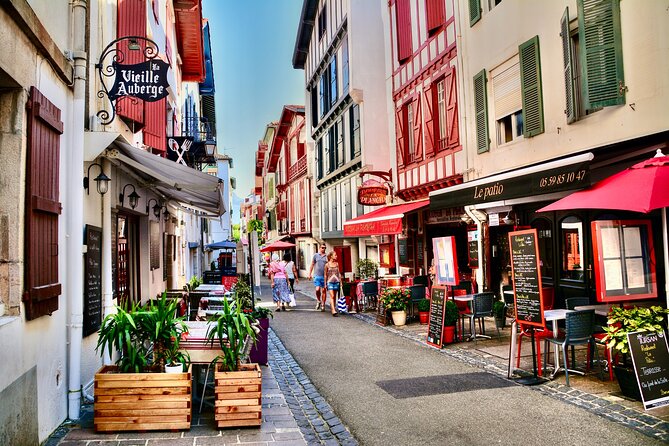
The route then crosses to Saint-Jean-de-Luz, a former corsair town with 17th-century houses, a food market, and compact streets. The guide explains the marriage of French King Louis XIV and the Spanish-Portuguese Infanta Maria Teresa of Austria, an event that links the town to European royal history.
You also get time to look at the fishing-town character and local food culture. The two-hour visit is enough for a walking tour and market atmosphere, though you will need to choose carefully if you want a full meal.
Hondarribia
Back on the Spanish side, Hondarribia brings you into a well-preserved medieval walled town. You enter through the Santa Maria gate, guarded by the statue of the Hatxero, and walk along narrow streets with a long military past.
The fishermen’s quarter is the place to watch if food matters most to you. Seafood and pintxos restaurants are concentrated there, and the stop provides a practical chance to eat along the coast rather than only hear about Basque cuisine.
Jaizkibel
The final stop is Jaizkibel Mountain, where the route reaches a high point with broad views along the French-Basque coast. You can stop for photographs, take in the sea air, and have coffee while looking across the water.
This day depends heavily on weather. Clear conditions make the mountain stop memorable, while cloud or rain can reduce the payoff. Still, the private vehicle gives you more flexibility than a fixed coach schedule, especially for short photo stops.
Bermeo, Gaztelugatxe, and the road into Bilbao
Day six transfers you from San Sebastián to Bilbao, but it is much more than a direct drive. The route follows the Bay of Biscay and includes several stops before reaching the city.
In Bermeo, you walk through one of the Basque coast’s oldest fishing towns. Its port, colorful facades, shops, and restaurants reflect a maritime culture once tied to whale hunting. The one-hour stop is compact, but it gives you a useful look at working coastal life before the more polished city streets of Bilbao.
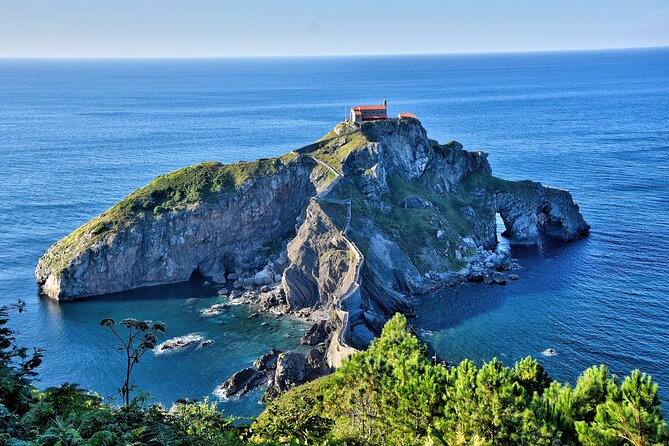
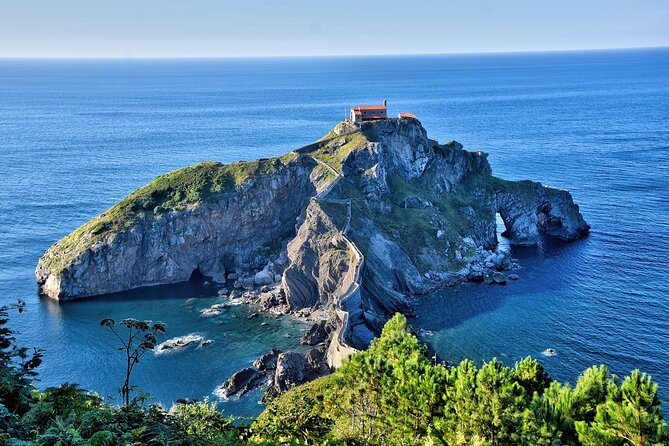
Next comes San Juan de Gaztelugatxe, a small 10th-century church perched on a rock above the sea. A 241-step stone bridge leads up to it, and the church sits about 80 meters above the water.
This is the most physically demanding stop on the tour. The listed visit lasts about an hour, so wear shoes suitable for steps and allow for the possibility that the climb will take much of your available time. The setting appeared in Game of Thrones, but the real draw is the exposed rock, bridge, and sea views.
Bakio follows, with mountains, a long beach, and waves used by surfers throughout the year. You also see txakoli vineyards along the coast. This is an unusual pairing: a crisp local wine tradition set against the Bay of Biscay rather than an inland vineyard valley.
In Bilbao, the walking tour covers major sights and lesser-known parts of the city. Bilbao combines industrial roots, commercial life, newer cultural projects, and Basque food. The city portion lasts about two hours before the final museum visit.
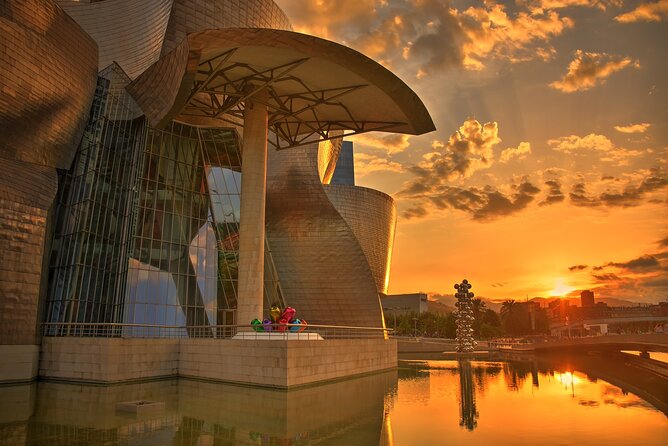
The Guggenheim Museum is included, with time to enter and see its permanent and temporary exhibitions. The building itself is part of the experience, designed to feel like a huge sculpture from inside and out. Outside, Puppy, the 12-meter flower-covered dog sculpture, is a favorite landmark and the source of the local nickname the doghouse.
The tour ends in Bilbao, with drop-off at your desired location. That makes the route practical if Bilbao is your next base or your departure city.
What the $2,387.46 price covers
At $2,387.46 per person, this is not a budget sightseeing tour. It is priced as a private, multi-city service rather than a series of group excursions.
The package includes:
- Private air-conditioned transportation
- An expert guide each day
- Winery visits and wine tastings in Ribera del Duero and Rioja
- Admission for the listed included attractions
- Pickup and drop-off in different cities
- A private group limited to eight people
The value improves if you are traveling as a couple or a small group and would otherwise need to hire cars, arrange winery appointments, pay for intercity transfers, and find local guides in several regions. You are also paying for the route design. The tour connects places that are awkward to combine by public transport, especially the wine areas and the French-Basque coast.
The price is less attractive if you want to choose all your own wineries or spend several days in one city. It also does not include hotels, breakfasts, or dinners, so you need to add those costs before setting your total budget.
The operator can arrange a bigger vehicle for a larger group, but the stated maximum is eight people. The tour can run for a minimum of two, making it a strong fit for couples who want private transport without joining a large coach.
Practical details before you commit
Pickup begins at 9 a.m., and hotel pickup is offered. On transfer days, you travel with your luggage from Madrid to Ribera del Duero, from Rioja to San Sebastián, and from San Sebastián to Bilbao.
Confirmation is sent within 48 hours of booking, subject to availability. Book early if you have fixed hotel reservations, since winery appointments and local guides need to line up across several regions.
Most people can take part, and the tour is near public transportation, though the private vehicle is the main way you move between stops. San Juan de Gaztelugatxe deserves special attention because of its 241 steps and one-hour visit window.
You can cancel for a full refund up to three full days before the local start time. Changes or cancellations inside that period are not accepted for a refund.
Who will enjoy this six-day route most?
I would recommend it to couples, families, or small groups who want wine instruction without giving up coastal scenery and city visits. It suits you especially well if you like having a private vehicle, prefer local guides, and want someone else to handle winery planning.
Wine enthusiasts get the strongest value from the first three days. You see several production styles and settings, from a small family winery to a century-old cellar and dramatic modern architecture.
Food lovers will appreciate San Sebastián, Hondarribia, Bermeo, and Bilbao, but remember that meals are not built into the price. You will need to make your own dinner and restaurant choices.
This is less suitable if you dislike long touring days, want a slow schedule, or prefer to book inexpensive public transport and independent tastings. It is also not ideal if your main goal is a dedicated food tour, since the wine and sightseeing portions take up much of the six days.
Should you book it?
Book this tour if you want one carefully connected journey through Spain’s northern wine and Basque regions, with private transport and local guides doing the hard planning. The strongest parts are the winemaker-led tastings, the contrast between traditional and modern Rioja, the French-Basque coastal circuit, and the final approach to Bilbao.
Before paying, price your hotels and meals, decide if three full wine days fit your interests, and check that your group is comfortable with long days and the climb at Gaztelugatxe. If those details work for you, this is a practical way to see a wide slice of northern Spain without constantly changing cars, trains, and tour bookings.
FAQ
Where does the tour start?
The tour starts with pickup at your hotel in Madrid at 9 a.m.
Where does the tour end?
The activity ends in Bilbao, where you can be dropped off at your desired location.
How many days does the experience last?
The tour lasts approximately six days.
What is the maximum group size?
The tour has a maximum of eight people.
Can two people book the tour?
Yes. The tour can operate for a minimum of two people.
Are hotels included?
No. Hotels are not included in the price.
Are breakfasts and dinners included?
No. Breakfasts and dinners are not included.
Is transportation included?
Yes. The package includes private air-conditioned transportation, along with pickup and drop-off in different cities.
Are wine tastings included?
Yes. Guided vineyard visits with wine tastings are included in the Ribera del Duero and Rioja wine regions.
Just added around Madrid
- Private Vacation Photography Session with Photographer in Madrid★ 5.0 · 3 reviews
- Arrival Private Transfer from MAD Airport to Madrid in a Minibus★ 5.0 · 3 reviews
- Segovia: 3-Hour Private Walking Tour★ 5.0 · 3 reviews
- Tour Segovia and La Granja de San Ildefonso from Madrid★ 5.0 · 3 reviews
- Madrid: Prado & Reina Sofia Museum Skip-the-Line Guided Tour★ 5.0 · 3 reviews
- Salamanca: Private Guided Customizable Walking Tour★ 5.0 · 3 reviews
- Total Reboot and Renew with top wellnes 3 hours couple experience★ 5.0 · 3 reviews
- Toledo Private Guided fullday tour from Madrid★ 5.0 · 3 reviews
Wine Tours, compared.
Toledo Tour & Vineyard Walk with Wine Tasting from Madrid
Read our review →

Madrid Tapas & Wine Tour with Rooftop Views and Local Guide
Read our review →
Paella Cooking Class in Madrid with Bottomless Wine Pairing
Read our review →
Madrid Historic Centre Food Tour with Authentic Tapas & Wines
Read our review →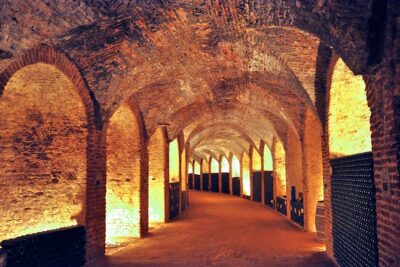
Madrid Countryside Wineries Guided Tour with Wine Tasting
Read our review →

Old Madrid Tapas and Fine Wine Small Group Tour
Read our review →Browse the lists this tour appears in