
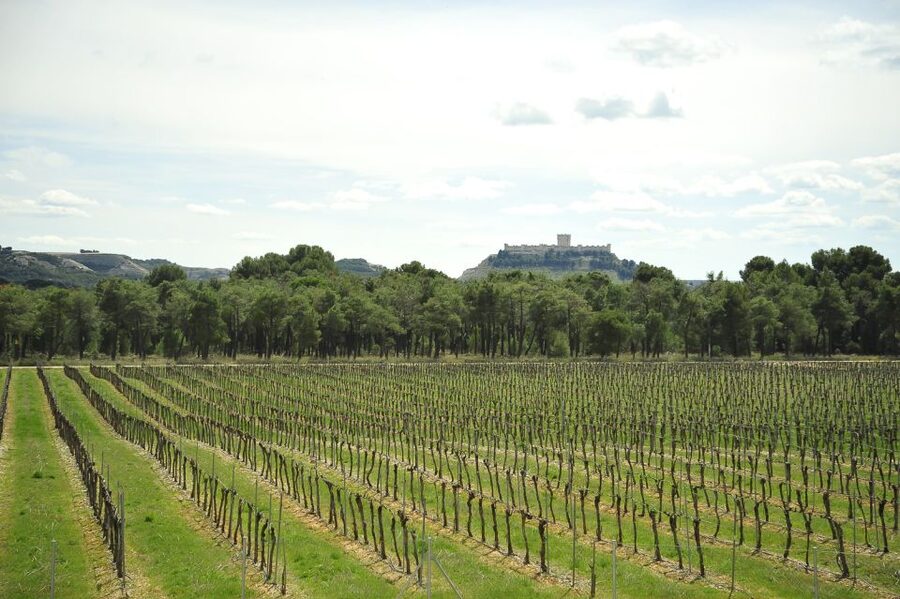
Review · RIBERA DEL DUERO WINE TOURS
From Madrid: Ribera del Duero Tour of 3 Wineries w/ Tastings
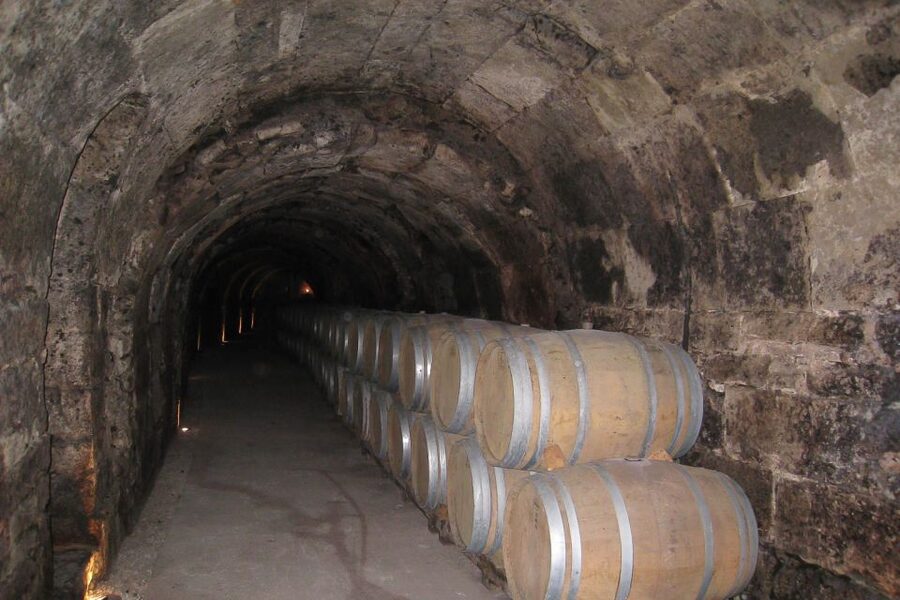
Ribera del Duero is best known for powerful red wines, but this day trip shows you the people, cellars, and changing methods behind the bottle. The highlight is the final winery, where a 16th-century underground cellar runs for about 7 kilometers beneath the town, reaching roughly 13 meters into the rock.
I like the sharp contrast between the three stops: one boutique winery with striking modern design, one that blends architecture with the vineyards, and one traditional family operation with centuries of winemaking behind it. I also like the small-group format, which averages about eight people and gives guides such as Ismael, Muna, and Antonio room to explain the wines properly.
The main drawback is the length. With about four hours of driving and three tastings, this is a full 10 to 11-hour day. Lunch costs extra, and the tour may feel too packed if you prefer a slow afternoon at one or two wineries.
In This Review
- Key points to know before booking
- Why Ribera del Duero makes a good day trip from Madrid
- Leaving Madrid from Conde de Casal
- First winery: modern design and precise winemaking
- Second winery: architecture, vineyards, and a different point of view
- Lunch in the wine country
- Third winery: medieval tunnels beneath the town
- The wine tastings and local snacks
- Is $218 a fair price?
- Who will enjoy this day most?
- Practical ways to enjoy the day
- Should you book this Ribera del Duero tour?
- FAQ
- How long does the tour last?
- How far is Ribera del Duero from Madrid?
- How many wineries do you visit?
- How many wines are included?
- Is lunch included?
- What languages are available?
- Can children join the tour?
- Where does the tour meet in Madrid?
Key points to know before booking
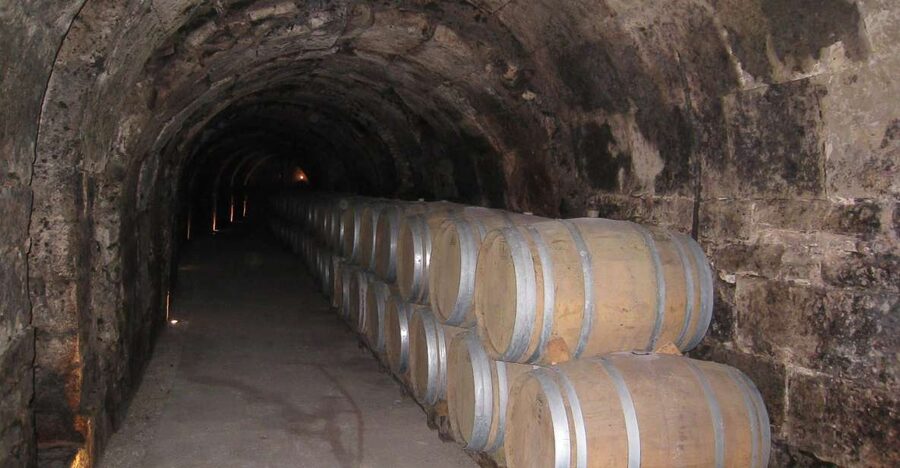
- A 16th-century cellar is the day’s most unusual sight: Walk through historic tunnels still used for wine production.
- At least eight Ribera del Duero wines are included: Tastings come with local snacks at all three wineries.
- Three different winery styles: Compare modern architecture, nature-focused design, and old village cellars.
- The guide matters: Ismael, Muna, Antonio, and other bilingual guides have been praised for clear explanations and careful help with Spanish-English groups.
- Lunch is not included: Allow about €12 to €15 for tapas or roughly €30 for a full three-course meal.
- Plan for a long day: Departure is around 9:15 AM, with a return to Madrid at about 8 PM, traffic permitting.
Why Ribera del Duero makes a good day trip from Madrid
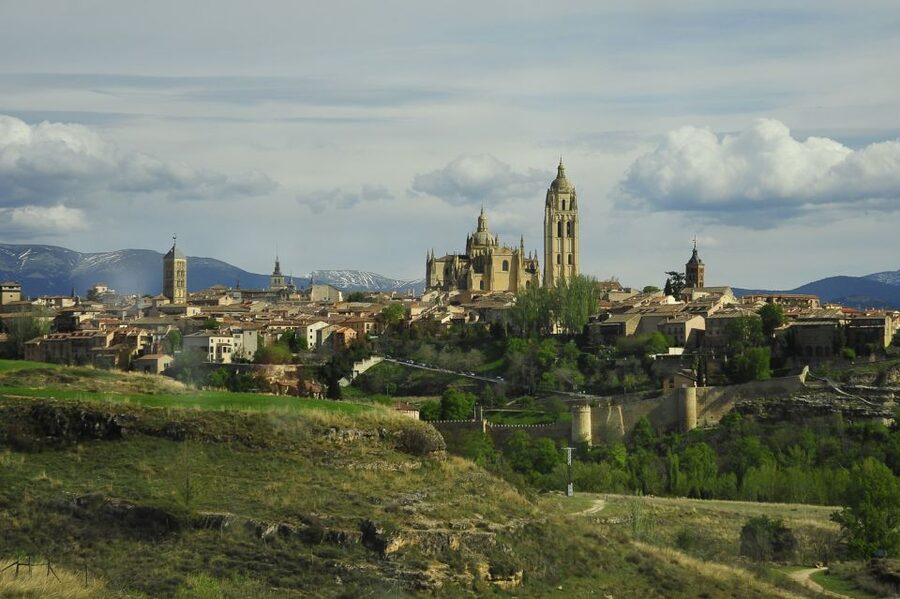
Madrid gives you art museums, grand plazas, and late dinners. Ribera del Duero gives you open country, vineyards, small towns, and a closer look at one of Spain’s leading wine regions.
The drive takes about two hours each way from central Madrid. That sounds long, but the trip is easier than arranging several wineries yourself, especially when you plan to taste wine. Your guide fills the drive with background on the Duero River, the local wine designation, and the changes that took Ribera del Duero from a regional producer to an internationally recognized name.
The Duero flows across Spain and into Portugal, where it also plays an important part in wine production. That wider connection gives the region some useful context. You are not simply tasting isolated bottles. You are seeing how geography, river valleys, old cellar traditions, and modern investment shape the wines.
The tour focuses on wineries that are family-owned or closely tied to family winemaking traditions. That matters because you get more than a polished tasting room. You can see how local families protect older methods while adding new equipment, new buildings, and more precise control over production.
More Ribera del Duero wine days:
- Ribera del Duero Wineries Guided Tour & Wine Tasting from Madrid
★ 5.0 · 328 reviews - Ribera del Duero:4 Wineries, tasting & Lunch included from Madrid
★ 5.0 · 199 reviews - Ribera del Duero Winery Guided Tour and Wine Tasting from Madrid
★ 5.0 · 107 reviews
Leaving Madrid from Conde de Casal
The meeting point is outside the front door of the cafeteria at Hotel Claridge, at Plaza del Conde de Casal 6. The Conde de Casal Metro station on Line 6 is nearby, so reaching the pickup point from central Madrid is fairly simple.
The tour departs at about 9:15 AM. Arrive with time to find the hotel entrance rather than assuming the cafeteria is a waiting room. Use of the cafeteria facilities is reserved for hotel customers.
Transportation is included in the $218 price, which is important here. You spend roughly four hours on the road, and the route is not well suited to a relaxed day of independent driving after multiple tastings. The vehicle has been described as comfortable, though one past trip had problems with the public-address system and uneven air-conditioning. Those issues may not occur on your departure, but they are worth keeping in mind if you are sensitive to vehicle temperature or road noise.
Groups can range from four to 20 people, with an average of about eight. That average is encouraging. A group of eight is large enough for a social outing but small enough for questions at the cellar door. A maximum of 20 would feel less personal, especially during bilingual explanations.
First winery: modern design and precise winemaking
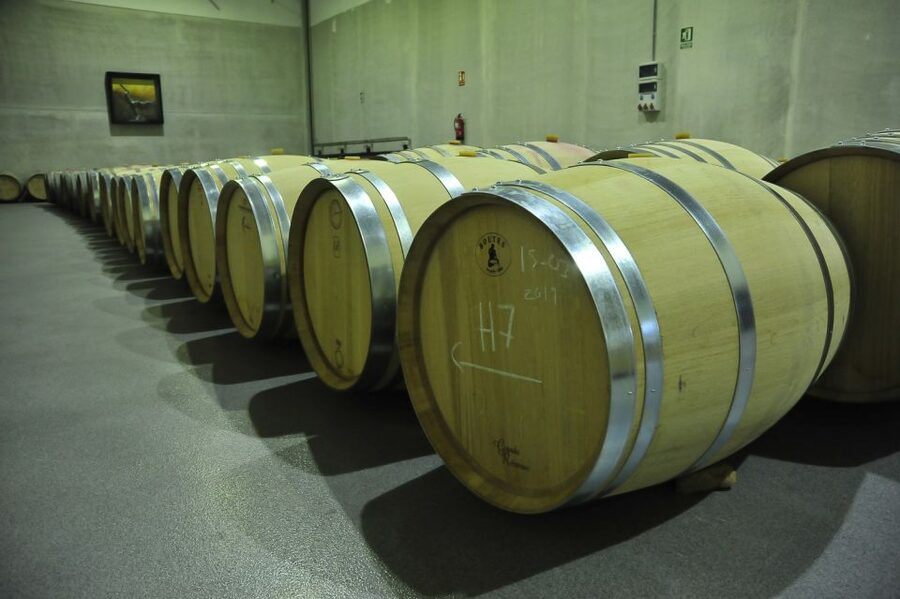
The first stop is a boutique winery built around careful production and modern architecture. Here, the building itself is part of the visit. Every detail is designed to support wine production, from the handling of grapes to the conditions used for aging and storage.
The winery has gained strong national and international attention. Six of its wines were recently rated above 95 points on the Tim Atkin scale, and one of its founders was named Winemaker of the Year. Those details give you a useful reason to pay attention during the tasting, but the guide should still help you judge the wines for yourself.
Expect a guided tour of the facilities, an explanation of the production process, and several wines paired with local appetizers. The tasting is not just a quick pour at a counter. You learn how the winery’s design and equipment affect the finished wine.
This stop is a good introduction because it shows Ribera del Duero as a modern wine region. If you picture only dusty village cellars and oak barrels, the first winery will correct that idea quickly.
Second winery: architecture, vineyards, and a different point of view
The second winery offers a different approach. Its buildings connect with the surrounding vineyards, using modern structures while keeping close contact with nature and the local setting.
This contrast is one of the strongest reasons to choose a three-winery tour rather than visiting three similar producers. You can compare how each operation handles architecture, production, hospitality, and presentation. One may feel experimental and design-led, while another may make the vineyard itself the central feature.
You will again tour the facilities, hear about the winemaking process, and taste several wines with local snacks. The guide helps link the stops together, so you are not left trying to remember which winery used which method.
Past guides have included Muna, Ismael, and Antonio. Muna has been praised for making the drive informative as well as guiding the winery visits. Ismael has been especially effective with mixed Spanish-English groups, sometimes providing extra translation so no one is left behind. The exact guide can change, but the bilingual setup is useful if your Spanish is limited.
More Madrid wineries worth an afternoon:
- Toledo Tour & Vineyard Walk with Wine Tasting from Madrid
★ 5.0 · 2,546 reviews - Madrid: Tapas & Wine Tasting Tour with Local Guide
★ 4.8 · 2,171 reviews - Madrid Tapas & Wine Tour with Rooftop Views and Local Guide
★ 5.0 · 2,047 reviews - Paella Cooking Class in Madrid with Bottomless Wine Pairing
★ 5.0 · 985 reviews
Lunch in the wine country
After the first two wineries, you get at least an hour of free time for lunch. This meal is not included, so budget separately.
Your guide recommends places in the area, with choices ranging from tapas to a light meal or a full three-course Castilian lunch. A tapas lunch generally costs around €12 to €15. A full three-course meal is about €30.
This break is welcome. Three tastings in one day can become repetitive without time to eat, talk, and reset your palate. It also gives you a chance to try regional food rather than treating the day as a series of wine samples.
The lunch stop is one area where expectations should stay flexible. The exact town and restaurant can vary, and one past trip had disappointing food and a less satisfying lunch location. I would treat the meal as a practical break and follow the guide’s advice, rather than booking this tour mainly for a special restaurant.
Third winery: medieval tunnels beneath the town
The final winery is the most distinctive stop. Its winemaking tradition reaches back about 400 years, and it was established before the Ribera del Duero designation existed. The cellar is part of the region’s early wine story.
You visit a medieval underground network excavated through rock. The tunnels extend for about 7 kilometers and reach a depth of roughly 13 meters. They are still in use, so this is not simply a preserved museum display. You are seeing an old method that remains part of working wine production.
The cellar gives the day a sense of place that modern buildings cannot provide. You can see why underground storage mattered in a region with a long winemaking tradition, and you get a physical reminder that the wine industry here existed long before its current international profile.
The third tasting completes the comparison. By this point, you have seen new technology, modern structures, and traditional underground spaces. The wines may share the Ribera del Duero designation, but the wineries express that identity in very different ways.
Wear sensible shoes for this stop. The tour data does not specify cellar conditions, but underground historic spaces often involve uneven surfaces and limited ease of movement. The tour is not suitable for wheelchair users.
The wine tastings and local snacks
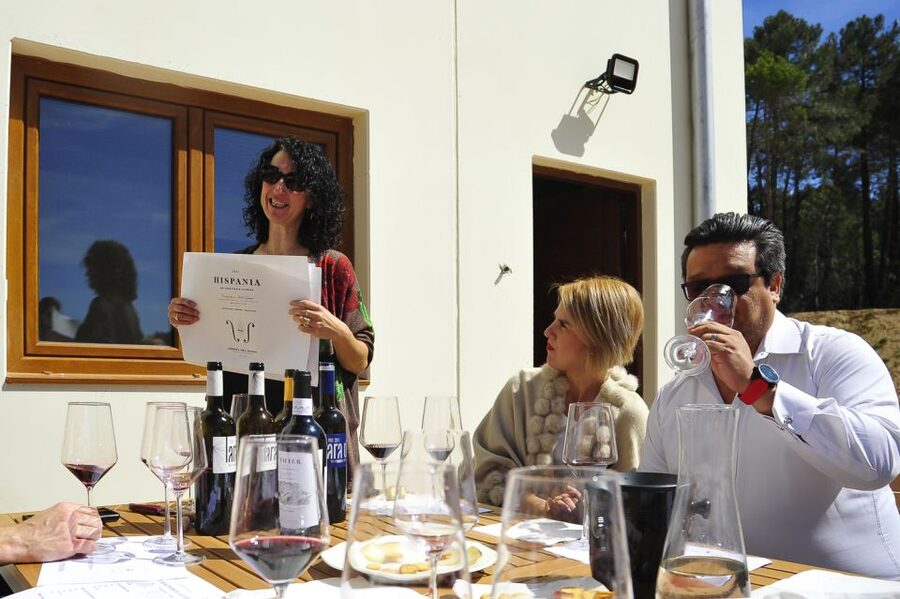
At least eight wines are included across the three wineries. The exact number and labels may vary, but the structure gives you a broad sample of Ribera del Duero rather than one producer’s house style.
Local appetizers are served at each winery. These snacks help keep the tasting grounded in Spanish food culture and give you something to eat alongside the wine. They are not a substitute for lunch, so do not skip the midday meal.
You do not need to be a wine expert to enjoy this tour. A good guide explains how to notice aromas, structure, and differences between wines without turning the tasting into a technical exam. The strongest guide feedback has focused on clear explanations, warmth, and the ability to adjust to the group.
The bilingual format can mean that some explanations take longer. If Spanish and English are spoken together, the day may move at a slower pace than a single-language visit. For many people, that is a fair trade for being able to ask questions and follow the process.
Is $218 a fair price?
At $218 per person, this is one of the more expensive Madrid wine day trips. The price includes round-trip transportation, a bilingual expert guide, three winery visits, at least eight tastings, and local appetizers.
Lunch is extra, and the day requires a substantial time commitment. If you mainly want to taste two or three wines near Madrid, a shorter tour may offer better value and leave you more free time in the city.
I think the price makes more sense if you value variety and convenience. You are paying for access to three carefully different wineries, transportation to a region two hours away, and a guide who can explain the contrasts in both languages. Driving yourself would add planning, navigation, and the problem of tasting responsibly.
The value is also stronger for visitors who would not otherwise reach Ribera del Duero. Rioja is more familiar to many wine drinkers, but this tour gives you a useful chance to compare another major Spanish wine region. It is a full-day regional trip, not merely a tasting activity.
Who will enjoy this day most?
This tour suits wine lovers who want context as well as samples. You will get the most from it if you enjoy hearing how wine is made, comparing buildings and cellar methods, and meeting the people connected to family-run wineries.
It also works well for solo visitors. The group format makes it easy to share the day with other people, and the tour is specifically described as safe for solo female travelers.
Couples and groups of friends should like the balance of guided visits and free time. The lunch break gives you breathing room, while the small group keeps the winery visits more personal than a large coach excursion.
The tour is not suitable for children under 12, and only people aged 18 or older may take part in the wine tastings. It is also not suitable for wheelchair users. Anyone who dislikes long road journeys should think carefully before booking.
Practical ways to enjoy the day
Eat breakfast before departure. The first proper meal comes later, and the winery snacks are designed to accompany tastings rather than replace breakfast.
Bring water and wear comfortable shoes. You will spend time walking through winery facilities, vineyard areas, and an underground cellar.
Keep your schedule clear after the tour. The planned return is around 8 PM, but traffic can extend the day. Do not book a fixed evening performance or restaurant reservation immediately after the expected arrival.
Ask questions early. Guides such as Ismael and Muna have been praised for making technical subjects easy to follow, but they can only tailor the visit if you tell them what interests you. You might care most about oak aging, vineyard conditions, family ownership, or the difference between traditional and modern production.
If you are deciding between a two-winery and three-winery outing, consider your stamina. The third winery is the most unusual because of the underground cellar, but the extra stop also makes the day longer. For me, the cellar justifies the added time, especially for a first visit to the region.
Should you book this Ribera del Duero tour?
Book it if you want a serious wine day outside Madrid without renting a car. The mix of three winery styles, bilingual guidance, local snacks, and the historic underground cellar gives you a fuller picture of Ribera del Duero than a single tasting room can provide.
Skip it if you want a short, relaxed outing or if $218 feels high before adding lunch. The drive is long, and the schedule leaves little room for wandering independently.
For wine fans, the strongest reason to go is the range: modern boutique production, vineyard-connected architecture, and a working medieval cellar in one day. That combination, along with guides who can explain the region clearly, makes this a worthwhile splurge for the right visitor.
FAQ
How long does the tour last?
The tour takes about 10 to 11 hours, depending on traffic. Departure from Madrid is around 9:15 AM, with arrival back at Plaza del Conde de Casal at about 8 PM.
How far is Ribera del Duero from Madrid?
The drive from Madrid city center to the Ribera del Duero region takes approximately two hours each way.
How many wineries do you visit?
You visit three wineries. Each includes a guided tour, wine tasting, and local appetizers.
How many wines are included?
You taste at least eight wines carrying the Denomination of Origin Ribera del Duero. The exact selection can vary between wineries.
Is lunch included?
No. Lunch is at your own expense during at least one hour of free time. A tapas lunch generally costs about €12 to €15, while a full three-course meal costs about €30.
What languages are available?
The tour is offered in Spanish and English. Both languages may be used at the same time when needed.
Can children join the tour?
Children under 12 cannot take part. The minimum age for the wine tastings is 18.
Where does the tour meet in Madrid?
Meet outside the front door of the cafeteria at Hotel Claridge, Plaza del Conde de Casal 6, 28007 Madrid. The closest Metro station is Conde de Casal on Line 6.
More Food Tours in Madrid
- Madrid: Live Flamenco Show with Food and Drinks Options
★ 4.5 · 9,901 reviews - Madrid Ultimate Spanish Cuisine Food Tour
★ 5.0 · 1,010 reviews - Madrid Historic Centre Food Tour with Authentic Tapas & Wines
★ 5.0 · 814 reviews - Madrid Countryside Wineries Guided Tour with Wine Tasting
★ 5.0 · 740 reviews
Just added around Madrid
- Private Vacation Photography Session with Photographer in Madrid★ 5.0 · 3 reviews
- Arrival Private Transfer from MAD Airport to Madrid in a Minibus★ 5.0 · 3 reviews
- Segovia: 3-Hour Private Walking Tour★ 5.0 · 3 reviews
- Tour Segovia and La Granja de San Ildefonso from Madrid★ 5.0 · 3 reviews
- Madrid: Prado & Reina Sofia Museum Skip-the-Line Guided Tour★ 5.0 · 3 reviews
- Salamanca: Private Guided Customizable Walking Tour★ 5.0 · 3 reviews
- Total Reboot and Renew with top wellnes 3 hours couple experience★ 5.0 · 3 reviews
- Madrid: Prado Museum Private Tour★ 5.0 · 3 reviews
Ribera del Duero Wine Tours, compared.
Ribera del Duero Wineries Guided Tour & Wine Tasting from Madrid
Read our review →
Ribera del Duero:4 Wineries, tasting & Lunch included from Madrid
Read our review →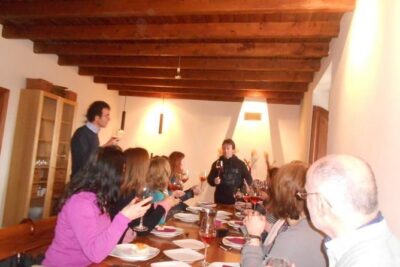
Ribera del Duero Winery Guided Tour and Wine Tasting from Madrid
Read our review →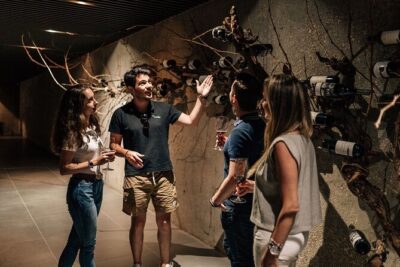
Private Segovia & Ribera del Duero with Wine Tasting from Madrid
Read our review →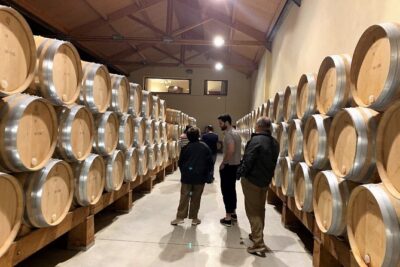
Ribera del Duero Small Group Tour: Tapas & Wine Tasting
Read our review →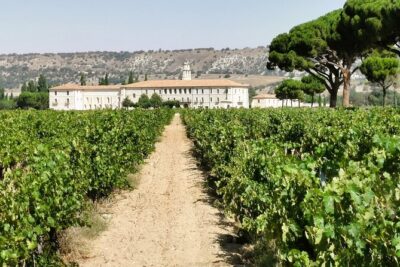
Premium Tour to Ribera del Duero with Wnologist Guide
Read our review →
Ribera del Duero Tour: Three Wineries and Lunch from Madrid
Read our review →
Browse the lists this tour appears in