Review · GUIDED
Guided visit to Madrid May 2
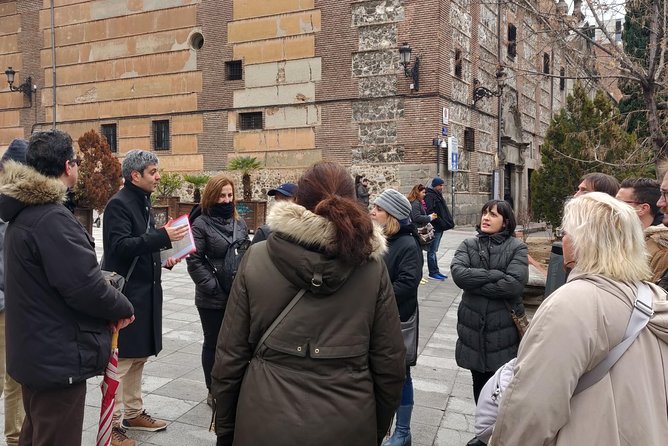
Madrid’s May 2 uprising comes alive on this walk through central Madrid. Rather than treating the event as a date in a textbook, guide Raúl places you on the streets where the uprising began and finishes at the square linked to Daoíz and Velarde, two figures who gave their lives for Spanish independence.
I like the military-history focus and the way the route connects Madrid’s streets with the wider Napoleonic period. I also like the compact design: you begin at Plaza de Oriente and finish at Plaza del Dos de Mayo, so the tour works well as a historical thread through the city rather than a talk in one fixed spot.
The main consideration is price. At $114.49 per person for about two hours, this is not a casual low-cost walking tour. You are paying for a specialist guide, so it makes the most sense if the May 2 uprising and the War of Independence are central to your interests.
In This Review
- Key points to know before booking
- Why Madrid’s May 2 story works best on foot
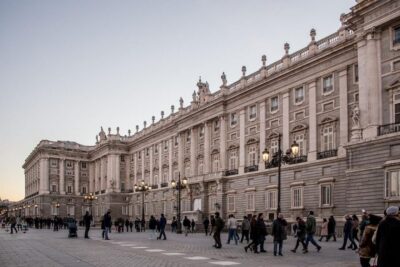
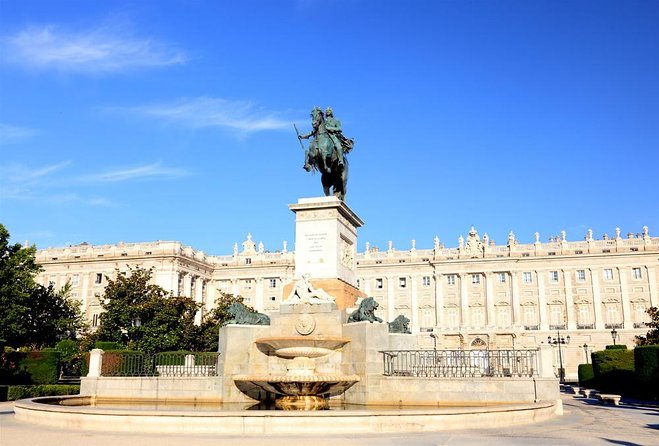
- Starting at Plaza de Oriente and the beginning of the uprising
- The walk through Madrid’s 1808 setting
- Plaza del Dos de Mayo and the final story
- Raúl’s guiding style and what you will learn
- The value of $114.49 for about two hours
- Group size, timing, and practical planning
- Who will get the most from this Madrid walk
- Is the May 2 guided visit worth booking?
- FAQ
- Where does the tour begin?
- Where does the tour end?
- How long does the experience last?
- What is the price?
- Is admission to the plazas included?
- Who leads the visit?
- What historical period does the tour cover?
- How large can the group be?
- Are service animals allowed?
- Can I cancel for a full refund?
Key points to know before booking
- A battlefield guide in central Madrid: Raúl approaches Madrid as a battlefield connected to the War of Independence.
- A clear route between two important squares: Begin at Plaza de Oriente and finish at Plaza del Dos de Mayo.
- Stories beyond basic dates: The tour includes context, anecdotes, and episodes from Madrid in 1808.
- A small maximum group of 20: This gives the guide a more workable setting for a history-heavy walk.
- About two hours on foot: Plan for a focused city stroll rather than a full-day historical outing.
- Strong fit for history-minded visitors: The experience is especially suited to people who want military detail and local context.
Why Madrid’s May 2 story works best on foot
The subject here is not simply Napoleon, Spain, or one famous battle. It is the story of an uprising tied to specific places in Madrid. Starting at Plaza de Oriente gives the tour a natural opening point, since this is identified as the place where the revolt began.
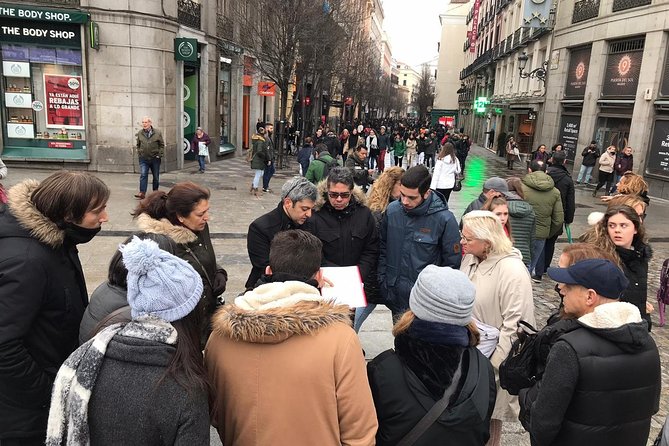
That setting matters. A guide can point out how the city’s streets and public squares form the framework for the events, helping you picture Madrid as a working city caught in a military and political crisis. You are not just receiving a list of names. You are following a route from the beginning of the uprising to its memorial endpoint.
The tour then leads toward Plaza del Dos de Mayo. The walk between the two squares is part of the experience, not empty time between stops. Raúl uses the route to explain the setting, add anecdotes, and place the events in the larger Napoleonic period.
I find that format useful for Madrid because the city often reveals its past through ordinary streets. You may pass through places that look like modern neighborhoods, yet the guide’s account gives them a second layer. The walk is short enough to fit into a morning or afternoon, but focused enough to keep the central story in view.
A few more Madrid days to weigh up
- Madrid: Royal Palace Expert Guided Tour with Skip-the-Line
★ 4.7 · 6,986 reviews - From Madrid: Guided Day Trip to Toledo by Bus
★ 4.1 · 5,280 reviews - Madrid: Toledo & Segovia Full Day Guided Tour with Alcázar
★ 4.6 · 4,394 reviews
Starting at Plaza de Oriente and the beginning of the uprising
The meeting point is Plaza de Oriente, in central Madrid, at 28013 Madrid. This is where the tour starts, and it is also presented as the place where the uprising began.
Expect the opening section to establish the political and military setting before the route moves on. Raúl’s background is in military history, with specialization from the Complutense University of Madrid, and he also works as a battlefield guide. That combination shapes the visit: you get attention to military events, but the subject remains tied to the city around you.
The first scheduled portion is listed as about 20 minutes, with no admission ticket required. That makes the opening easy to join. You do not need to enter a museum or wait for a timed indoor visit. The meeting point is outdoors, so check the weather before setting out.
This is also a good place to decide how much historical detail you want from the tour. The guide’s style is described as lively, with curious details, emotional episodes, and explanations of the period’s setting. If you prefer a quick list of highlights, the specialist approach may feel more detailed than necessary. If you like understanding how events unfolded, that detail is the point.
The walk through Madrid’s 1808 setting
The supplied route lists Plaza de Oriente and Plaza del Dos de Mayo as the two named stops, but the experience takes about two hours. That means the route between them carries much of the storytelling.
You should expect a guided walk rather than two isolated explanations. The city itself becomes the visual aid. As you move through central Madrid, Raúl can connect the uprising to the streets, squares, and urban setting of the time. His approach includes more than what happened. It also addresses Madrid as it was then and explains the circumstances around the events.
That context is one of the strongest reasons to book. Dates and names can be hard to retain when they are presented without a setting. Here, the guide’s aim is to make the events easier to picture by linking them to actual places. You may still need to concentrate, especially if the Napoleonic period is new to you, but the route gives the material a clear shape.
The walk also helps avoid a common problem with short historical tours: too much information at the first stop and a rushed ending. Since the tour finishes at a second major square, the story has a destination. You can follow a beginning, a journey, and a final point tied to the city’s memory of May 2.
Wear comfortable shoes. The tour is approximately two hours and takes place outdoors, so you will be standing and walking for most of the experience. Specific route details beyond the two squares are not provided, so I would not assume that every street or monument connected with 1808 is included.
Plaza del Dos de Mayo and the final story
The tour ends at Plaza del Dos de Mayo, at Pl. del Dos de Mayo, 28004 Madrid. This square is described as the place where Daoíz and Velarde gave their lives for independence, making it a fitting conclusion to a visit about the uprising.
The final stop is listed as about 20 minutes, again with free admission. Its value comes from the story attached to the square. After hearing about the beginning of the revolt and walking through the city’s setting, you arrive at a place tied to two of its best-known figures.
I like this ending because it gives you a clear point to remember. You leave with more than a general impression that Madrid resisted French control. You have a named square, two named figures, and a route that links the opening of the uprising with its final memorial setting.
The square is also useful for your plans after the tour. Since the experience ends in central Madrid, you can continue exploring from there. The provider does not specify included food, museum entry, hotel return, or transport after the walk, so plan to make your own way onward.
A different sort of afternoon around Madrid:
- Madrid: Tour Bernabéu Entry Ticket
★ 4.5 · 21,573 reviews - Madrid: Prado Museum Entry Ticket
★ 4.6 · 17,509 reviews - Madrid: Royal Palace Fast-Access Admission Ticket
★ 4.6 · 13,856 reviews - Madrid: “Emociones” Live Flamenco Performance
★ 4.8 · 12,866 reviews
Raúl’s guiding style and what you will learn
Raúl is the guide named in the available information, and his background is central to the experience. He is presented as an official tourist guide specialized in military history through UCM, as well as a battlefield guide. That is a narrower specialty than you find on a standard city walk.
His subject is not limited to troop movements or military tactics. The tour also covers anecdotes, the Madrid of the period, and the wider circumstances surrounding the May 2 events. This makes the experience suitable for people who want a city-history outing with a strong military thread, rather than a technical lecture aimed only at specialists.
The guide’s delivery is described as engaging and easy to follow. The more than two-hour experience is said to pass quickly, which suggests a steady pace and plenty of spoken explanation. You should still be ready to listen closely. A specialist who enjoys the subject may provide more names, dates, and background than you would receive on a broad introductory tour.
That is a benefit for some people and a drawback for others. I would choose this experience if you enjoy asking why events happened, how a city responded, and how a local uprising fits into a wider war. I would skip it if your main goal is Madrid’s art museums, royal interiors, food, or general sightseeing.
The value of $114.49 for about two hours
At $114.49 per person, the tour sits at a premium price for a short walking experience. The group maximum is 20, which is helpful, but the price still needs to be judged by the guide’s specialist focus rather than by the length alone.
The value is strongest when you want a focused history lesson delivered at the actual sites. A general walk may touch on May 2 as one small part of Madrid’s story. This experience gives the subject the whole route. The guide’s military-history training and battlefield perspective are also specific reasons for the higher cost.
The price may feel harder to justify if you are only mildly curious about the uprising. You could walk through the same public squares without paying an admission fee, since both listed stops are free. The difference is the interpretation, route, and time spent making sense of what happened there.
Group discounts are available, though the exact discount is not specified. If you are traveling with several people, check the final booking price rather than assuming the discount will apply in a particular way. The mobile ticket is convenient for a walking tour, since you can keep the booking on your phone and avoid handling paper.
Group size, timing, and practical planning
The maximum group size is 20. That is not a private tour, but it is small enough to give the guide a reasonable chance to address the group clearly. A history walk depends heavily on hearing the explanation, so group size matters more here than it would on a simple sightseeing route.
The stated duration is approximately two hours. One detailed account describes the visit as lasting more than two hours, so leave a little space in your schedule rather than arranging a tight connection immediately afterward. The official route includes two named sections of about 20 minutes each, with the remaining time used for walking and explanation.
The meeting point is near public transportation, which makes the start practical for a city-center itinerary. The opening hours listed for the experience are Monday through Sunday, 8:00 a.m. to 10:00 p.m., for the stated booking period. Your confirmed start time remains the important detail, since the tour itself is not an all-day activity.
Most people can participate, and service animals are allowed. The activity requires good weather, so an outdoor walk may be canceled if conditions are poor. It also requires a minimum number of participants. If either weather or minimum attendance causes a cancellation, you are offered another date or experience, or a full refund.
You receive confirmation within 48 hours of booking, subject to availability. Free cancellation is available until 24 hours before the start time. Canceling or changing the booking less than 24 hours ahead does not qualify for a refund, and the cut-off follows Madrid local time.
Who will get the most from this Madrid walk
I would recommend this tour to several kinds of visitors:
- People with a clear interest in the Napoleonic period or the Spanish War of Independence
- Anyone who prefers local history tied to streets and squares
- Families with older children or teenagers who learn better from stories than from a textbook
- Visitors who want a focused activity of about two hours
- People who enjoy military history but still want a city walk rather than a museum lecture
The experience can also suit repeat visitors to Madrid. If you have already seen the major royal and art sights, this gives you a more specialized way to read the city. It may change how you view Plaza de Oriente and Plaza del Dos de Mayo the next time you pass through them.
I would be more cautious about recommending it to someone visiting Madrid for the first time with only a short list of essential sights. At this price, you should be genuinely interested in the topic. The tour does not include the Prado, Royal Palace interiors, food tastings, or a broad introduction to Madrid.
Young people may enjoy it if they like stories, conflict, and real historical figures. The guide’s use of anecdotes and context should help, but the subject still requires sustained attention. Parents should judge the fit based on the child’s interest in history rather than age alone.
Is the May 2 guided visit worth booking?
Book it if you want Madrid’s 1808 uprising explained by a guide whose specialty is military history and battlefields. The strongest features are the clear route from Plaza de Oriente to Plaza del Dos de Mayo, the emphasis on context and anecdotes, and Raúl’s apparent ability to make a serious subject lively.
Think twice if you are looking for a bargain or a broad first-look city tour. The stops are public squares with free admission, and the experience costs $114.49 per person. Its value rests almost entirely in the guide’s interpretation.
For the right audience, that is enough. You get a concise, place-based account of a major moment in Madrid, ending at the square associated with Daoíz and Velarde. If those names and events already interest you, this is a focused way to give them a physical setting.
FAQ
Where does the tour begin?
The tour begins at Plaza de Oriente, Centro, 28013 Madrid, Spain.
Where does the tour end?
The tour ends at Plaza del Dos de Mayo, Pl. del Dos de Mayo, Centro, 28004 Madrid, Spain.
How long does the experience last?
The advertised duration is approximately two hours. One detailed description indicates that the visit may run for more than two hours, so allow some extra time.
What is the price?
The listed price is $114.49 per person.
Is admission to the plazas included?
Both listed stops have free admission, so no entrance ticket is required for Plaza de Oriente or Plaza del Dos de Mayo.
Who leads the visit?
The guide named for the experience is Raúl, from el primer Edecán. He is presented as an official tourist guide specialized in military history by UCM and as a battlefield guide.
What historical period does the tour cover?
The visit focuses on Madrid’s May 2 uprising in 1808, the Napoleonic period, and the Spanish War of Independence.
How large can the group be?
The maximum group size is 20 participants.
Are service animals allowed?
Yes. Service animals are allowed.
Can I cancel for a full refund?
Yes, if you cancel at least 24 hours before the experience’s start time. Cancellations or changes made less than 24 hours in advance are not refunded.
Just added around Madrid
- Private Vacation Photography Session with Photographer in Madrid★ 5.0 · 3 reviews
- Arrival Private Transfer from MAD Airport to Madrid in a Minibus★ 5.0 · 3 reviews
- Segovia: 3-Hour Private Walking Tour★ 5.0 · 3 reviews
- Tour Segovia and La Granja de San Ildefonso from Madrid★ 5.0 · 3 reviews
- Madrid: Prado & Reina Sofia Museum Skip-the-Line Guided Tour★ 5.0 · 3 reviews
- Salamanca: Private Guided Customizable Walking Tour★ 5.0 · 3 reviews
- Total Reboot and Renew with top wellnes 3 hours couple experience★ 5.0 · 3 reviews
- Toledo Private Guided fullday tour from Madrid★ 5.0 · 3 reviews
Guided, compared.
Royal Palace Expert Guided Tour with Skip-the-Line
Read our review →
Toledo & Segovia Full Day Guided Tour with Alcázar
Read our review →