
Review · FOOD & DRINK
Madrid: Guided Local Food Tour at Hidden Gem Restaurants
Madrid’s best food lesson may begin with a sandwich. This three-hour walk starts at Plaza de la Provincia and takes you to local restaurants and bars for Madrid staples such as bocadillos de calamares, jamón ibérico, vermouth, croquettes, and tortilla. The food is familiar, but the guide explains why these dishes matter.
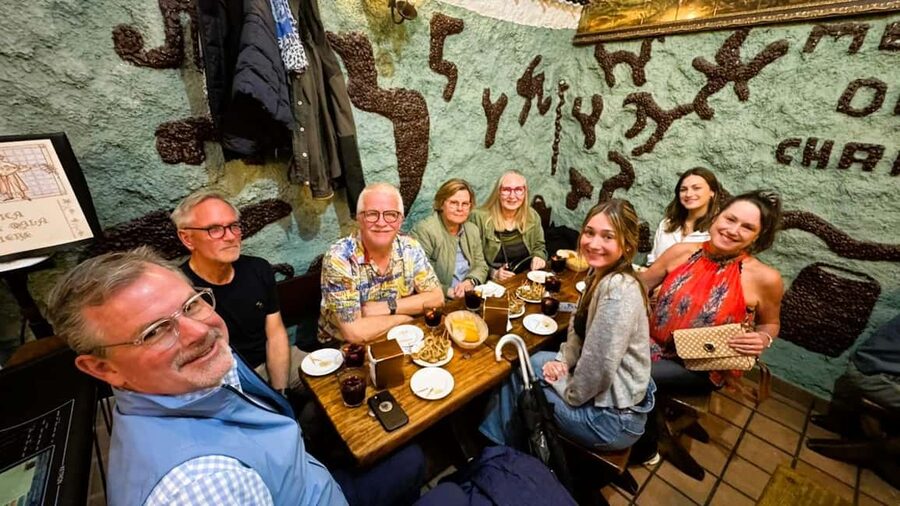
I like two things right away: you eat in places chosen for their local feel, and the food comes with useful cultural context rather than arriving as a string of mystery plates. Guide John has been praised for his warm, social style, though the tour can run longer than three hours if the group hits it off and keeps the evening going.
In This Review
- Key points to know before booking
- Starting with Madrid’s famous calamari sandwich
- Jamón ibérico, Spain’s great bar snack
- Mushrooms, sangria, and the Madrid table
- Vermouth and Madrid’s afternoon-to-evening habit
- Ham and spider crab croquettes with local wine
- Finishing with tortilla in a historic setting
- What the $101 price really covers
- How the three-hour format works
- Who will enjoy this food tour most
- Should you book the Madrid local food tour?
- FAQ
- Where does the Madrid food tour begin?
- Where does the activity end?
- How long does the tour last?
- Which foods and drinks are included?
- What languages are available?
- Is the tour wheelchair accessible?
Key points to know before booking
- Madrid classics in one sitting: Try calamari sandwiches, cured ham, mushrooms, croquettes, tortilla, vermouth, beer, wine, and sangria.
- Five tasting stops plus a local bar: The route keeps you moving through different food settings rather than parking you at one restaurant.
- A guide-led food lesson: You hear stories and background about each dish in English or Spanish.
- A social experience: The guide helps bring the group together, and a friendly crowd may make the evening last longer than planned.
- Central meeting point: Start and finish at the monument in Plaza de la Provincia.
- Good booking flexibility: The tour costs $101 per person, includes food and drinks, and allows free cancellation up to 24 hours before departure.
Starting with Madrid’s famous calamari sandwich
Meet at the monument in Plaza de la Provincia. This is a practical central starting point, but you should give yourself enough time to find the exact monument and arrive ready to walk. Pickup and drop-off are not included, so you make your own way to the square and return there at the end.
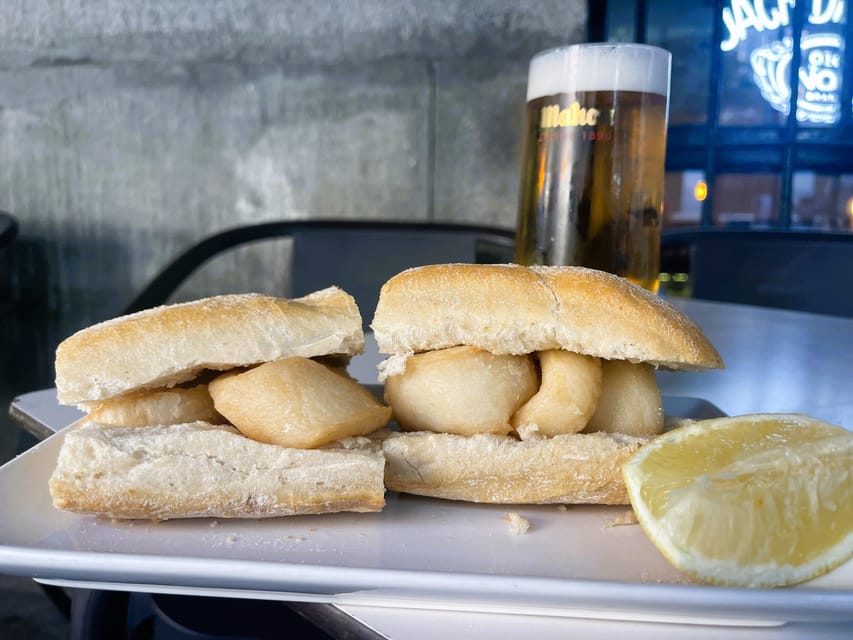
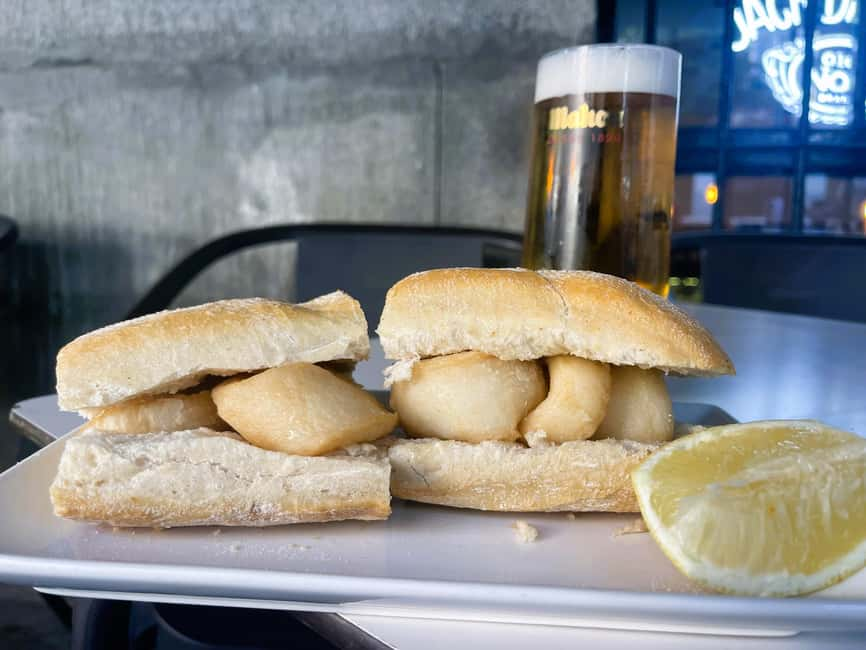
The first tasting introduces one of Madrid’s most recognizable foods: the bocadillo de calamares. It is a simple sandwich of fried calamari in bread, served here with a local beer. The pairing gives you a quick lesson in the city’s food culture. Madrid is inland, yet seafood has long held a firm place on its casual menus.
Do not expect a delicate restaurant dish. This is streetwise food, built around crisp fried calamari, soft bread, and a cold drink. The appeal is direct and satisfying. If you prefer elaborate presentation, this may seem plain, but the point is to taste a classic in its natural setting.
The first stop also helps set the tone. You are not only checking famous dishes off a list. You are learning how ordinary food, local habits, and social drinking fit together in Madrid.
More food tours in Madrid:
- Madrid: Live Flamenco Show with Food and Drinks Options
★ 4.5 · 9,901 reviews - Toledo Tour & Vineyard Walk with Wine Tasting from Madrid
★ 5.0 · 2,546 reviews - Madrid: Tapas & Wine Tasting Tour with Local Guide
★ 4.8 · 2,171 reviews
Jamón ibérico, Spain’s great bar snack
The next tasting brings out jamón ibérico, one of Spain’s most prized foods. This cured ham is known for its smooth texture and strong, savory flavor. It is the kind of ingredient that benefits from a guide’s explanation because the name alone does not tell you how to taste it or why it costs more than standard ham.
You may find this stop especially useful if you are new to Spanish food. Jamón can look like a small portion, yet a few thin slices carry plenty of flavor. Take your time with it instead of treating it like a quick appetizer.
The price of the tour makes more sense when you consider tastings such as this one alongside the drinks. You are paying for several food portions, alcohol, and a guide who connects them to Madrid’s customs. It is not the cheapest way to eat in the city, but it can be good value if you would otherwise spend an evening ordering several dishes without knowing what to choose.
Mushrooms, sangria, and the Madrid table
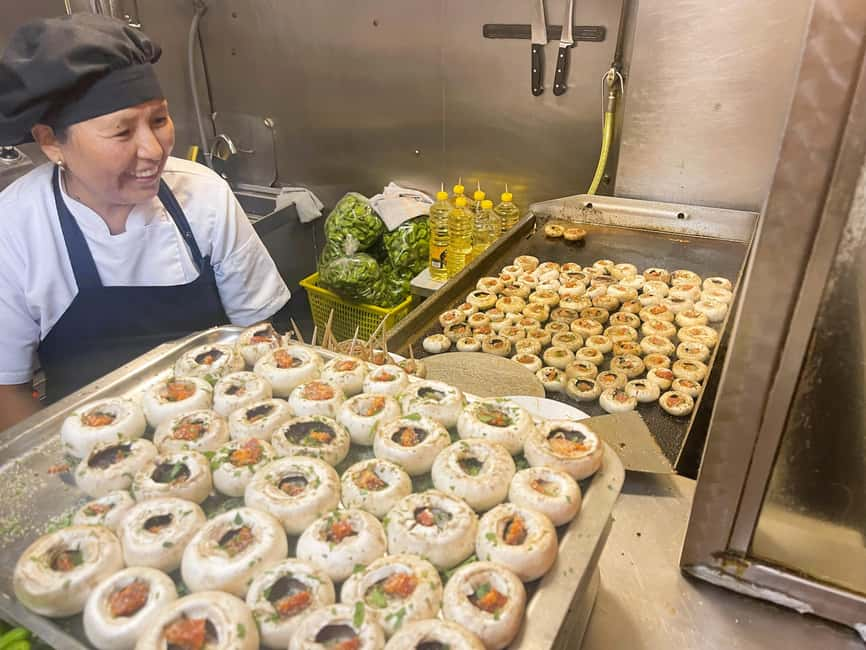
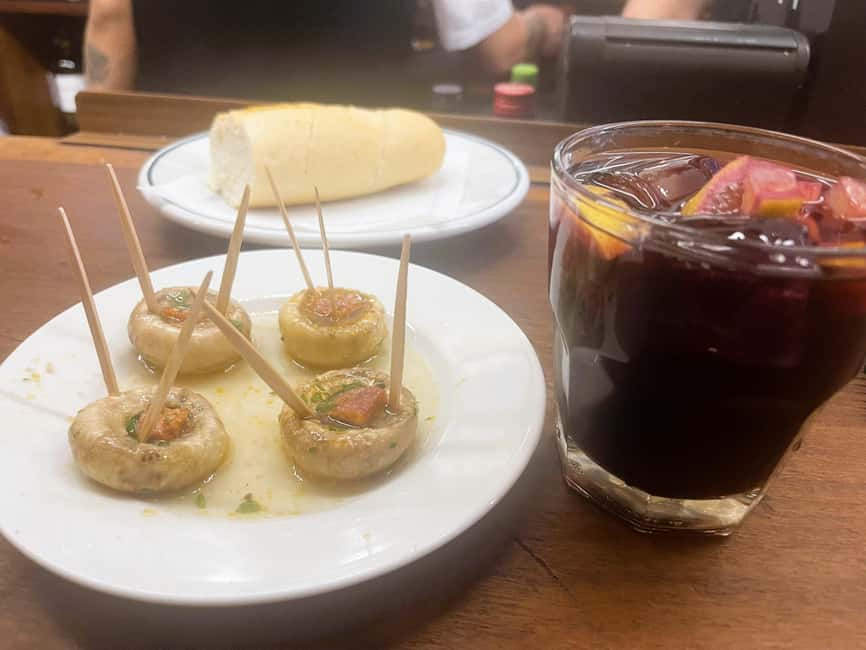
At another local restaurant, you sample champiñones a la madrileña, mushrooms cooked in the Madrid style. They are served with sangria, the familiar Spanish drink made for relaxed social drinking.
This is a useful change of pace after fried calamari and cured ham. The mushrooms bring a warm, cooked dish to the route, while the sangria adds fruit and sweetness. I like this part of the menu because it shows that Madrid food is not all ham and potatoes. Small plates can include vegetables, sauces, and simple cooking that works well with a drink.
Sangria is widely known outside Spain, so it may feel less surprising than vermouth or jamón. Still, the guide’s explanation can help place it in the wider tapas tradition. You are tasting a drink people associate with Spain, but you are also learning how it fits into a meal shared over conversation.
Each tasting is planned for roughly 36 minutes. That gives you time to eat, hear the explanation, and talk with the group without turning the tour into a rushed race between venues. Five food stops at that pace account for the advertised three hours.
Vermouth and Madrid’s afternoon-to-evening habit
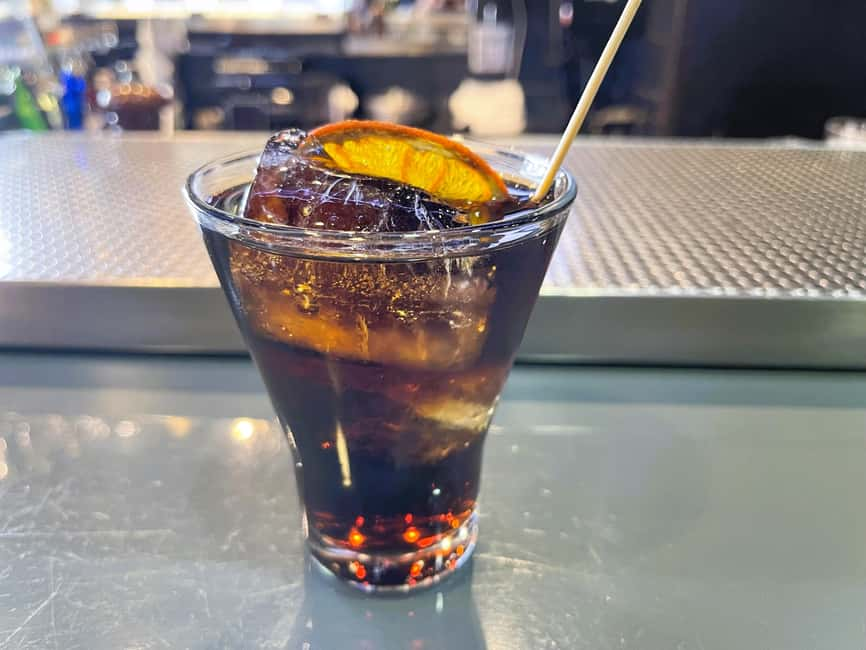
Vermut is one of the most useful drinks to try on this tour. This sweet, aromatic wine has a long place in Spanish bar culture and remains closely linked with tapas. It is less obvious to many first-time visitors than sangria, which makes it a good introduction to a local drinking habit.
The vermouth stop takes place at a local bar. That setting matters. You are not simply sampling a drink in isolation. You get a feel for the sort of place where people order a small glass, eat something salty, and linger for conversation.
Vermouth is sweet and herbal, so it may not suit every palate. If you prefer dry wine or beer, approach it as a cultural tasting rather than a guaranteed favorite. A guide can explain the drink’s role and help you understand why it is such a fixture of Madrid’s tapas scene.
This part also adds variety to the route. You move from a sandwich and beer to a glass of vermouth, then back to more substantial food. That rhythm is closer to a real evening of tapas than a single large meal.
A different sort of afternoon around Madrid:
- Madrid: Tour Bernabéu Entry Ticket
★ 4.5 · 21,573 reviews - Madrid: Prado Museum Entry Ticket
★ 4.6 · 17,509 reviews - Madrid: Royal Palace Fast-Access Admission Ticket
★ 4.6 · 13,856 reviews - Madrid: “Emociones” Live Flamenco Performance
★ 4.8 · 12,866 reviews
Ham and spider crab croquettes with local wine
The croquette course combines two fillings: jamón and centollo, or spider crab. Croquetas de jamón are a Spanish comfort food, with a creamy interior and a crisp coating. The spider crab version brings a more delicate seafood flavor.
The contrast makes this one of the more interesting tastings. You can compare a familiar ham filling with a seafood option in the same general format. Croquettes are easy to underestimate, but good ones depend on the balance between a crisp outside and a soft, well-seasoned center.
They come with a glass of local wine. That pairing keeps the focus on the food while giving you another common Spanish drink beyond beer, sangria, and vermouth. If you do not usually order wine, the guide’s comments may help you understand how the drink works with salty or creamy tapas.
This is also a course where dietary questions matter. The supplied details do not specify substitutions or allergy arrangements, so ask the provider before booking if you have seafood, dairy, gluten, or other food restrictions. The listed menu includes several breaded and seafood items.
Finishing with tortilla in a historic setting
The final food is tortilla madrileña, a Spanish omelet served in a historic setting. Tortilla is one of Spain’s most familiar dishes, but it is also a fitting finish because it is simple, filling, and closely tied to everyday eating.
You may already have tried tortilla elsewhere in Spain. That does not make it redundant. Regional versions and house methods can differ, and the guide provides the setting and background that turn a basic omelet into a useful final lesson.
Ending with tortilla also makes practical sense. After several drinks and small plates, you get something substantial enough to round out the meal. The historic surroundings add atmosphere without requiring another major attraction or detour.
The route returns to Plaza de la Provincia. Since the tour begins and ends in the same place, you do not need to arrange a separate return transfer. You can continue your evening nearby, though additional food and drinks are your responsibility and are not part of the $101 price.
What the $101 price really covers
At $101 per person, this is a mid-range food experience rather than a cheap tapas crawl. The fee includes food and drinks at the stops, plus a live guide in English or Spanish. You are also paying for the route, the explanations, and the ease of having someone choose the places and dishes.
I would judge the value in three ways:
- Good value if you want structure: You sample many Madrid specialties without spending time studying menus or guessing what to order.
- Good value for first-time visitors: The guide gives context to dishes that might otherwise seem ordinary or confusing.
- Less appealing if you only want a large meal: The tour is built around several tastings, not one generous dinner. You may want extra food afterward, which is not included.
The drinks add real value. Beer accompanies the calamari, sangria goes with the mushrooms, vermouth gets its own moment, and wine is served with the croquettes. That range lets you compare several parts of Spanish drinking culture in one evening.
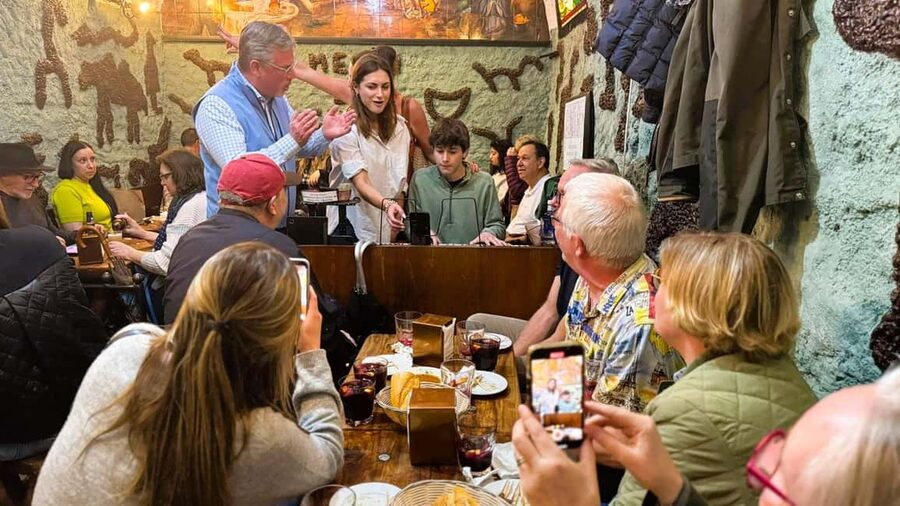
The group experience also affects the value. John, one guide associated with the tour, has been described as charismatic and empathetic, with a talent for turning the meal into a social occasion. A friendly group can make the experience feel like a shared night out, but you should not book it if you need a tightly controlled schedule down to the minute.
How the three-hour format works
The advertised duration is three hours, with five tasting stops listed at about 36 minutes each. That is enough time for a steady route through local restaurants and one bar. You should expect the experience to feel like a moving meal, not a formal sit-down dinner.
The route includes five food locations after the starting point, with the final stop at a local bar. The supplied food descriptions include more individual dishes than the number of listed venues, so some tastings may be grouped at the same stop. Exact ordering can vary with availability and the guide’s plan.
A live guide leads the tour in English or Spanish. The activity is also listed as wheelchair accessible, which is important for anyone checking practical access before booking. Since transport is not included, you handle your own journey to Plaza de la Provincia.
There is a separate entrance for skipping the line. The details do not explain which venue uses that entrance, so treat it as a useful feature of the route rather than a promise of priority access at every stop.
The cancellation terms are sensible for a food tour. You can cancel up to 24 hours ahead for a full refund, and you can reserve now and pay later. Starting times vary, so check the available schedule before building the rest of your evening around it.
Who will enjoy this food tour most
I would recommend this tour to first-time visitors who want a quick introduction to Madrid’s food habits. You get famous dishes, local drinks, and enough explanation to make later tapas stops easier to navigate.
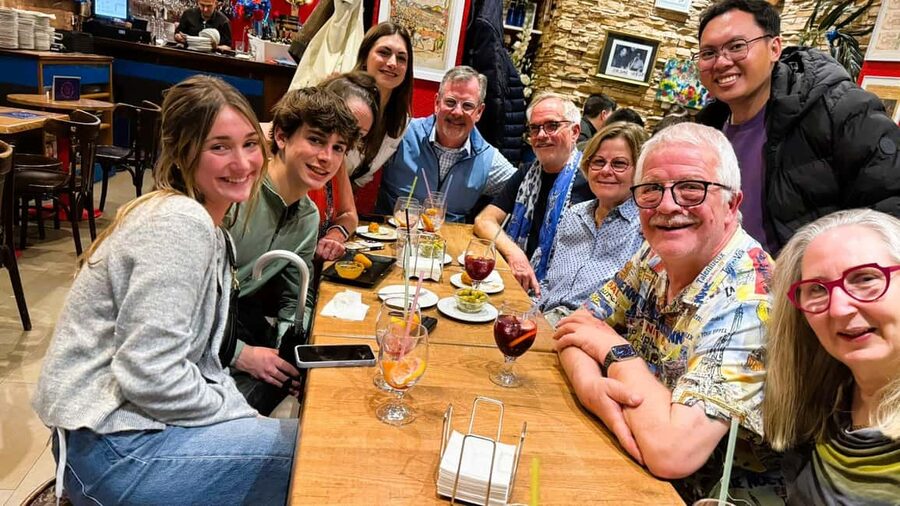
It also suits people who prefer company while eating. The guide does more than deliver facts. The tone can be social and conversational, and one reported group even kept the evening going well past the planned finish because everyone was having such a good time.
Couples, solo visitors, and families with older children may all find something useful here, though the alcohol pairings make it most natural for adults. The activity is wheelchair accessible, but the provider should still be contacted in advance if you need specific assistance beyond the general accessibility information.
This is not the best choice for someone with strict dietary limits unless those needs are confirmed ahead of time. The included menu features calamari, jamón, mushrooms, croquettes, spider crab, tortilla, bread, and several alcoholic drinks. The available information does not promise replacements.
Should you book the Madrid local food tour?
Book it if you want a guided introduction to Madrid’s classic bites and like the idea of moving between several local establishments instead of sitting in one restaurant. The mix of calamari sandwich, jamón, mushrooms, vermouth, croquettes, wine, and tortilla gives you a broad first taste of the city.
The strongest reason to choose it is the guide-led context. John’s warm, engaging manner can make the meal feel like a shared evening rather than a checklist of dishes. Just allow some flexibility in your schedule, since a social group may extend the experience.
Skip it if you want a bargain dinner, need guaranteed menu substitutions, or prefer to explore tapas independently. At $101, the tour earns its price through the number of tastings, drinks, and explanations. For a first night in Madrid, that package is a sensible way to get oriented.
FAQ
Where does the Madrid food tour begin?
The tour begins at the monument in Plaza de la Provincia.
Where does the activity end?
The activity ends back at the meeting point in Plaza de la Provincia.
How long does the tour last?
The advertised duration is three hours. Check availability for the specific starting times.
Which foods and drinks are included?
The tastings include bocadillos de calamares, jamón ibérico, champiñones a la madrileña, croquetas de jamón and centollo, and tortilla madrileña. Drinks include local beer, sangria, vermouth, and local wine.
What languages are available?
The live tour guide can conduct the experience in English or Spanish.
Is the tour wheelchair accessible?
Yes. The activity is listed as wheelchair accessible.
Just added around Madrid
- Private Vacation Photography Session with Photographer in Madrid★ 5.0 · 3 reviews
- Arrival Private Transfer from MAD Airport to Madrid in a Minibus★ 5.0 · 3 reviews
- Segovia: 3-Hour Private Walking Tour★ 5.0 · 3 reviews
- Tour Segovia and La Granja de San Ildefonso from Madrid★ 5.0 · 3 reviews
- Madrid: Prado & Reina Sofia Museum Skip-the-Line Guided Tour★ 5.0 · 3 reviews
- Salamanca: Private Guided Customizable Walking Tour★ 5.0 · 3 reviews
- Total Reboot and Renew with top wellnes 3 hours couple experience★ 5.0 · 3 reviews
- Madrid: Prado Museum Private Tour★ 5.0 · 3 reviews
Food & Drink, compared.
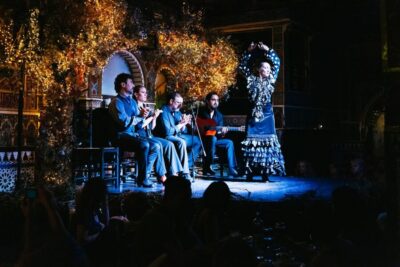
Live Flamenco Show with Food and Drinks Options
Read our review →
Toledo Tour & Vineyard Walk with Wine Tasting from Madrid
Read our review →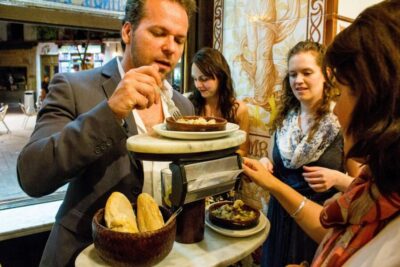
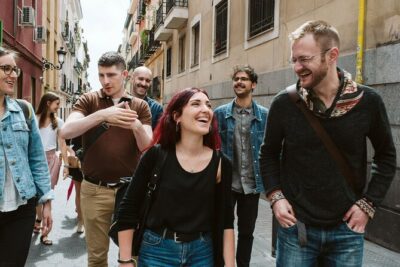
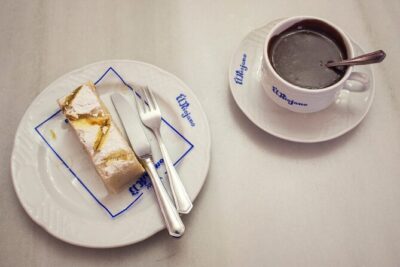
Madrid Historic Centre Food Tour with Authentic Tapas & Wines
Read our review →
Madrid Countryside Wineries Guided Tour with Wine Tasting
Read our review →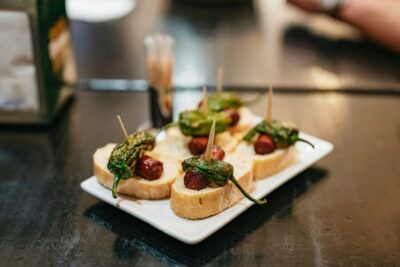
Browse the lists this tour appears in