
Review · HISTORICAL TOURS
Madrid’s History, Bites & Sips – An Intimate Tour Since 2018
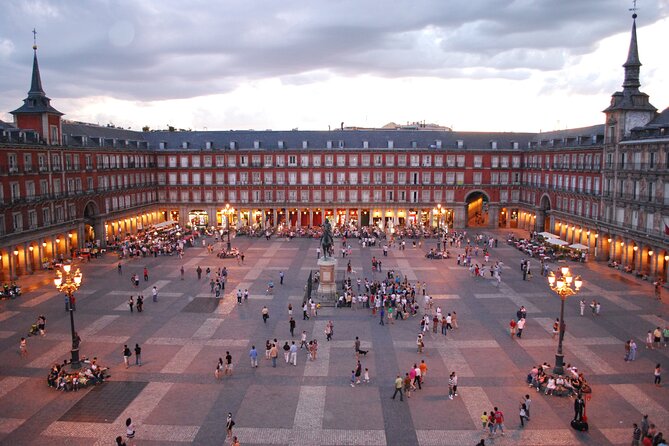
Madrid’s oldest streets become much easier to understand when history comes with tapas and drinks. This 3.5-hour walk moves from Plaza Mayor through old Madrid, with stops at Botín, San Miguel Market, the Inquisition site, the cathedral, and the Royal Palace.
I like two things right away: the small maximum of 10 people, which gives you a fair chance to ask questions, and the unusual visit inside Sobrino de Botín, founded in 1725. The two food stops also make the history feel grounded in daily Madrid life.
The main consideration is pace. You cover a good stretch of the old center on foot, and food is served at only two places, so this is a history walk with generous tastings, not a full meal-by-meal food tour.
In This Review
- Key points at a glance
- Why this walk works for first-time Madrid visitors
- Plaza Mayor, Madrid’s grand public room
- Through Cuchilleros arch to Botín
- San Miguel Market brings the food into focus
- Plaza de la Villa and the Spanish Armada
- Plaza de la Cruz Verde and the Inquisition
- Segovia Viaduct and Madrid’s older crossroads
- Parque Emir Mohamed I reveals Madrid’s beginning
- Almudena Cathedral and the long royal connection
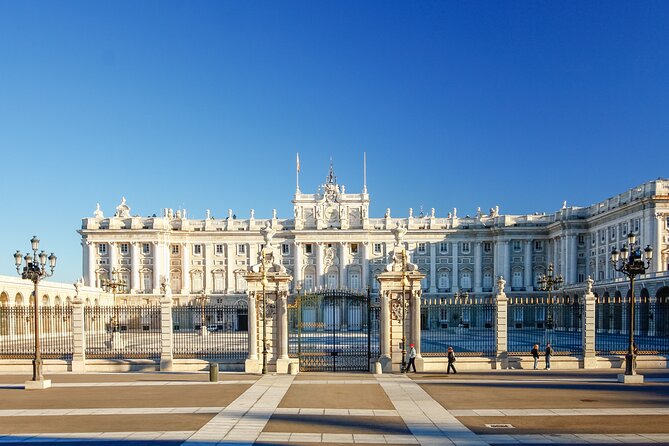
- The Royal Palace from the outside
- What you actually eat and drink
- Price, group size, and the pace of the morning
- Who should book it
- Should you book Madrid’s History, Bites & Sips?
- FAQ
- How long does the Madrid’s History, Bites & Sips tour last?
- What time and where does the tour begin?
- Where does the tour finish?
- Is food and drink included?
- Does the tour enter the Royal Palace?
- How many people can join the tour?
Key points at a glance
- Two food stops with local plates and drinks: Expect shared charcuterie, cheeses, meats, olives, bread, sausages, garlic mushrooms, and a cocktail at each stop, with juice or water available.
- A rare look inside Botín: You go beyond the street view of the 1725 restaurant and hear about its old roasting oven and long place in Madrid’s dining story.
- History beyond the usual postcard stops: The route covers the Spanish Inquisition, Madrid’s Moorish beginnings, the Spanish Armada, and the difference between the west and east sides of the old city.
- A true small-group walk: The group limit is 10, and guides such as Abel Acevedo have continued the tour even with a smaller party.
- A useful first-day orientation: The route gives you a working map of old Madrid and practical ideas for restaurants and sights to revisit later.
- A moderate price for the mix: At $89.87 per person, the value rests on the guide, small group, two food-and-drink stops, and access to places you may not find on your own.
Why this walk works for first-time Madrid visitors
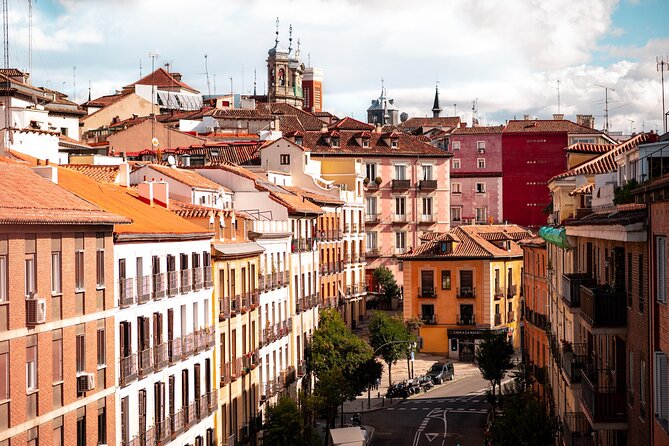
I would use this tour early in a Madrid stay. It gives you a basic map of the old center, then fills that map with stories: where Madrid began, how royal power shaped the city, where the Inquisition was discussed and carried out, and how food fits into the city’s identity.
The tour starts at 10:30 a.m. in Plaza Mayor. That timing is useful if you want a full afternoon afterward for the Prado, the Royal Palace interior, or another neighborhood. It also avoids making you rush out for an early breakfast, though you should arrive ready to walk and eat at set points rather than graze all morning.
The English-speaking guide is central to the experience. Abel is repeatedly described as funny, warm, and easy to question. Sonia is also named as a guide who helps explain Spanish tapas and drinks. The strongest praise goes to the guides’ storytelling and personal recommendations, so this is not a walk where you simply follow a flag from one monument to the next.
More history tours in Madrid:
- Madrid Essential: Historic Center, Plaza Mayor & Royal Palace
★ 5.0 · 6,416 reviews - Madrid Historical Tour with Local Guide in Eco Tuk Tuk Private
★ 5.0 · 876 reviews - Madrid Historic Centre Food Tour with Authentic Tapas & Wines
★ 5.0 · 814 reviews
Plaza Mayor, Madrid’s grand public room
The opening stop is Plaza Mayor, the enormous square at the heart of old Madrid. Building began in the 17th century, and the guide explains how the space changed over the centuries.
This is a good place to begin because the square is not just a pretty rectangle surrounded by red facades. It helps you picture Madrid as a royal capital, a commercial center, and a place where public events took place. I appreciate starting here because the guide can explain the city around you before you move into narrower lanes.
You spend about 20 minutes here, with no admission charge. That is enough time for an introduction and orientation, though not enough for a detailed architectural study. If you want careful photographs of every corner or a quiet look at the facades, return later on your own.
From Plaza Mayor, the tour heads toward the Cuchilleros arch. The movement from open square to old passageway is part of the pleasure. Madrid’s center makes more sense when you see how grand public spaces connect with tight, practical streets.
Through Cuchilleros arch to Botín
Arco de Cuchilleros leads you toward Sobrino de Botín, the restaurant founded in 1725. The tour includes time inside the restaurant, described as a visit from top to bottom rather than a quick look through the entrance.
That is one of the most distinctive parts of the walk. Botín is often presented as the oldest restaurant in the world, and its age gives the guide a strong way to discuss Madrid’s food traditions, working life, and changing old town. You also hear about the roasting oven, which has remained part of the restaurant’s story across centuries.
You should keep your expectations clear. This is not a reserved dinner at Botín, and the Royal Palace is also viewed only from outside. The value here is the guided look and the story behind the place, not a full restaurant meal or a museum-style interior tour.
The stop lasts about 20 minutes and has no separate admission charge. I would pay attention to the guide’s explanation rather than treating Botín as a photo stop. Abel’s ability to connect the restaurant to the wider city is a major reason this part works.
San Miguel Market brings the food into focus
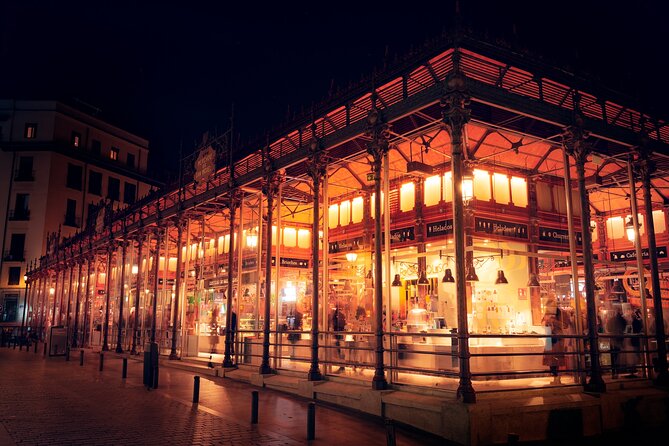
At Mercado de San Miguel, the historical walk turns into a tasting stop. The market sits in the center of Madrid and is devoted to Spanish food, so it gives you a quick introduction to the country’s produce, snacks, and drinking culture.
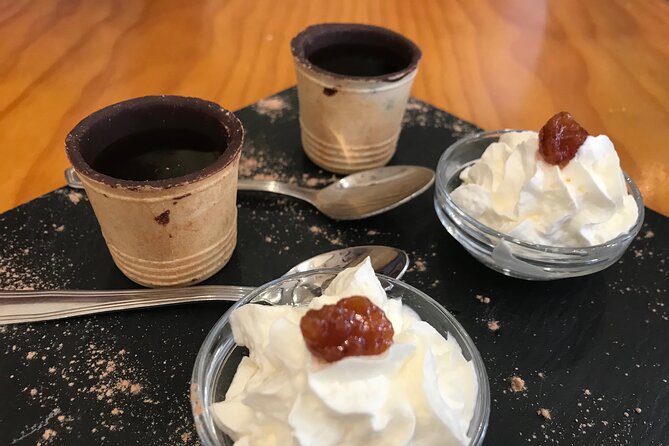
The exact tasting menu can vary, but the food described for this experience includes large shared charcuterie platters with assorted cheeses, cured meats, olives, and bread. You can also expect a cocktail here. Juice or water is available if you do not drink alcohol.
This is important for judging the price. Your $89.87 includes food and drinks at two different places, not just a guide pointing out restaurants. The portions described are substantial enough that one group finished feeling they did not need another meal right away. Still, I would not book this as a replacement for a long Spanish lunch. It is a generous tasting break within a walking tour.
San Miguel is a popular food hall, and this stop is more about sampling and explanation than quiet dining. You may find the atmosphere lively and the market busy, especially at a popular time. The reward is variety and convenience. You can ask what you are eating, learn which products matter in Spanish cuisine, and note stalls to revisit later.
A different sort of afternoon around Madrid:
- Madrid: Tour Bernabéu Entry Ticket
★ 4.5 · 21,573 reviews - Madrid: Prado Museum Entry Ticket
★ 4.6 · 17,509 reviews - Madrid: Royal Palace Fast-Access Admission Ticket
★ 4.6 · 13,856 reviews - Madrid: “Emociones” Live Flamenco Performance
★ 4.8 · 12,866 reviews
Plaza de la Villa and the Spanish Armada
The route continues to Plaza de la Villa, one of Madrid’s best-preserved historical squares. Its buildings give the guide a compact setting for explaining the city’s government, old families, and changing role as a capital.
The tour also connects this square with a major figure from the once-feared Spanish Armada. That detail gives the stop more weight than a simple building-by-building description. You get a sense of how Madrid’s local streets were tied to Spain’s larger political and military ambitions.
The allotted time is about 15 minutes. That is enough for a focused explanation, but you will not receive a complete history of every facade. I like this shorter format because it keeps the walk moving. If a particular building catches your eye, make a note and come back when you are not trying to keep pace with the group.
Plaza de la Cruz Verde and the Inquisition
At Plaza de la Cruz Verde, the guide discusses the Spanish Inquisition: what it was, where it operated, why it existed, and why the Spanish version differed from other inquisitions.
This is a valuable stop because the subject is often reduced to a few grim images or broad myths. A good explanation can place the institution in its political and religious setting without turning the walk into a lecture. The guide’s job here is to give you enough context to understand the site and to correct the easy assumptions visitors bring with them.
The stop lasts about 15 minutes. The topic may be uncomfortable, and the discussion is not a light break between monuments. That said, it adds seriousness and range to the tour. You are not only hearing about palaces and famous restaurants. You are also facing the harder parts of Spanish history.
Segovia Viaduct and Madrid’s older crossroads
The route includes the Segovia Viaduct in the La Latina neighborhood. The viaduct occupies an area that served as a major crossroads for centuries. A later structure was built in 1934 to replace an iron version erected in 1874.
The information provided for the tour does not assign a separate time to this stop, so you should think of it as a passing point or brief explanation rather than a long visit. It adds useful geographic context. Madrid’s old routes were shaped by crossings, slopes, and movement between districts, and the viaduct helps you see that the city was not designed only around royal squares.
This section may appeal most if you enjoy urban history. It is less of a classic must-see than Plaza Mayor or the Royal Palace, but it helps connect the old town into one walkable area.
Parque Emir Mohamed I reveals Madrid’s beginning
At Parque Emir Mohamed I, the guide explains Madrid’s roots and the original purpose of the settlement. This is where the tour shifts from royal Madrid to the city’s earlier foundation.
The park gives the history a useful anchor. Instead of treating Madrid as a city that appeared when the Spanish court arrived, you learn about its earlier beginnings and why the first settlement was located and used as it was. The tour allows about 15 minutes here.
This is exactly the sort of context I want from a city walk. The most famous sights often tell you what Madrid became. A stop focused on Emir Mohamed I helps explain what Madrid was before it became the capital people recognize today.
Almudena Cathedral and the long royal connection
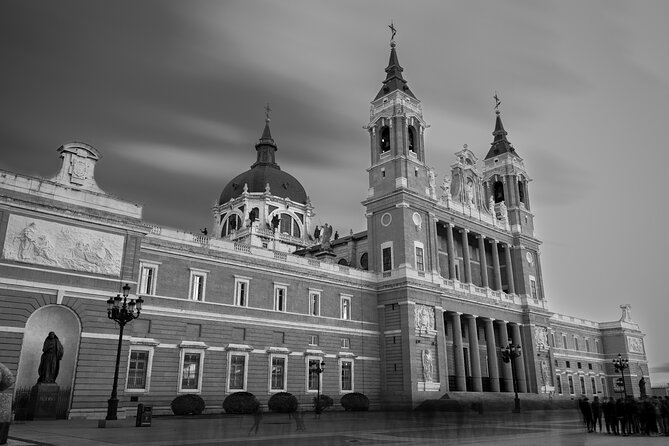
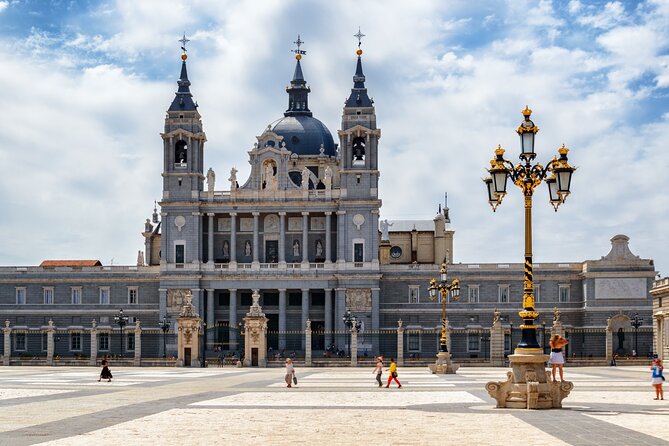
The Catedral de Santa María la Real de la Almudena is next. The guide describes Madrid’s cathedral as having a short but tortuous history, a useful reminder that the city’s main church is not an ancient medieval cathedral in the same way as those found in many European capitals.
You spend about 15 minutes outside. The tour does not list an interior visit, so plan another time if you want to see the inside. From here, the cathedral’s relationship with Habsburg Madrid and the nearby royal complex becomes easier to understand.
This stop works best as part of the larger story. The cathedral, palace, old streets, and royal institutions sit close together, but they represent different phases of Madrid’s growth. The guide helps you connect them rather than seeing each building as an isolated photograph.
The Royal Palace from the outside
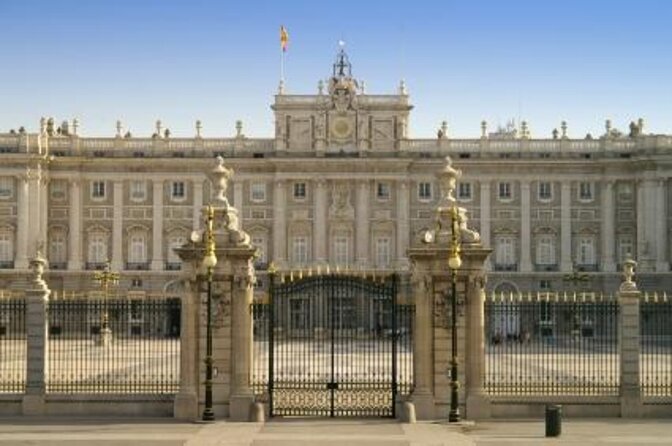
The final major stop is the Royal Palace of Madrid. It is the official residence of the Spanish royal family in the city, though it is now used for state ceremonies. It is also the largest functioning royal palace and the largest by floor area in Europe.
You view it from outside and spend about 15 minutes hearing its history up to the present. The admission fee is not included, because you do not go inside on this tour. That makes the ending efficient, but you should budget a separate visit if the palace interior is on your list.
Finishing here gives the route a clear arc. You begin in a public square, pass through old working streets and food institutions, learn about Madrid’s earliest roots, and end beside the building linked to royal power. You finish on C. Mayor, 88, rather than returning to Plaza Mayor, so check your onward plans before booking.
What you actually eat and drink
Food is included at two locations, Mercado de San Miguel and another respected restaurant. The strongest details available point to shared plates rather than individually selected dishes.
You might be served:
- Assorted cheeses and cured meats
- Olives and bread
- Local sausages
- Garlic mushrooms with bread for dipping
- A cocktail at each food stop
- Juice or water instead of alcohol
That format suits couples, families, and solo visitors who are comfortable sharing. A nine-year-old joined one outing and warmed to the food and stories, so the experience can work for families, though the historical discussion includes serious subjects such as the Inquisition.
If you have strict dietary needs, ask before booking. The supplied details do not specify vegetarian, vegan, allergy, or gluten-free arrangements. Do not assume that the shared platters can be changed unless the operator confirms it.
Price, group size, and the pace of the morning
At $89.87 per person, this is not the cheapest way to walk through Madrid. You are paying for about three and a half hours, an English-speaking professional guide, two food-and-drink stops, and a group capped at 10 people.
I think the price is fair if you value interpretation and personal attention. The food alone is not the whole calculation. You are also paying to enter the story of Botín, understand Madrid’s beginnings, and get practical suggestions for restaurants and sights from someone who knows the city.
The small group matters. Abel has taken people out even when the full group did not form, and the intimate setup leaves room for elementary questions without embarrassment. That is useful if Madrid is your first visit or if you want more conversation than a large group can provide.
The walk lasts roughly 3 hours and 30 minutes. Most people can participate, and the meeting point is near public transportation. Wear comfortable shoes, keep water in mind, and allow extra time if you plan to continue sightseeing after the final stop.
Who should book it
I would choose this tour if you want a first look at Madrid that combines major landmarks with less obvious historical subjects. It suits first-time visitors, families who prefer a story-led outing, and people who want food guidance before ordering on their own.
It is also a good choice if you want personal recommendations. Several comments about Abel point to restaurant advice, ideas for what not to miss, and suggestions for returning to sites in greater detail. That can save you from spending your first evenings guessing where to eat.
You may want another kind of tour if your priority is a long tasting menu, a palace interior visit, museum access, or a slow architectural study. This experience keeps moving and gives each stop a defined slice of time.
Should you book Madrid’s History, Bites & Sips?
Book it if you want old Madrid explained in plain language, with real food breaks and a guide who can adjust to your questions. The best parts are the visit inside Botín, the generous shared tastings, the small group, and the broad range of history covered in one morning.
I would especially book it near the start of your stay. You will leave with a better sense of where Madrid began, what the old center contains, and which places deserve a second visit. At $89.87, it offers solid value for a three-and-a-half-hour walk with food, drinks, and a group limit of 10.
FAQ
How long does the Madrid’s History, Bites & Sips tour last?
The tour lasts approximately 3 hours and 30 minutes.
What time and where does the tour begin?
It begins at 10:30 a.m. at Plaza Mayor in central Madrid.
Where does the tour finish?
The tour ends at C. Mayor, 88, Madrid.
Is food and drink included?
Yes. Food and drink are included at two different places. The available details include shared meats, cheeses, olives, bread, sausages, garlic mushrooms, and cocktails. Juice or water is available for non-drinkers.
Does the tour enter the Royal Palace?
No. The Royal Palace is viewed from outside, and its admission fee is not included.
How many people can join the tour?
The tour has a maximum of 10 participants.
Just added around Madrid
- Private Vacation Photography Session with Photographer in Madrid★ 5.0 · 3 reviews
- Arrival Private Transfer from MAD Airport to Madrid in a Minibus★ 5.0 · 3 reviews
- Segovia: 3-Hour Private Walking Tour★ 5.0 · 3 reviews
- Tour Segovia and La Granja de San Ildefonso from Madrid★ 5.0 · 3 reviews
- Madrid: Prado & Reina Sofia Museum Skip-the-Line Guided Tour★ 5.0 · 3 reviews
- Salamanca: Private Guided Customizable Walking Tour★ 5.0 · 3 reviews
- Total Reboot and Renew with top wellnes 3 hours couple experience★ 5.0 · 3 reviews
- Madrid: Prado Museum Private Tour★ 5.0 · 3 reviews
Historical Tours, compared.
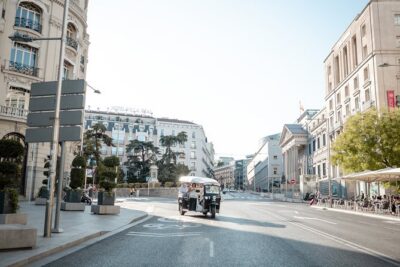
Madrid Historical Tour with Local Guide in Eco Tuk Tuk Private
Read our review →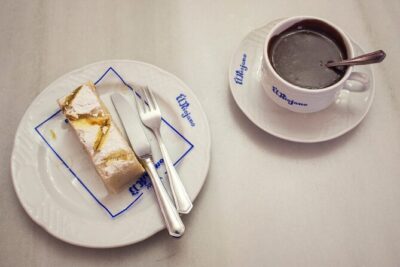
Madrid Historic Centre Food Tour with Authentic Tapas & Wines
Read our review →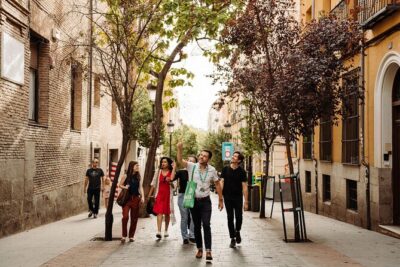
Madrid in a Day Tour:Royal Palace, Historic Center & Prado Museum
Read our review →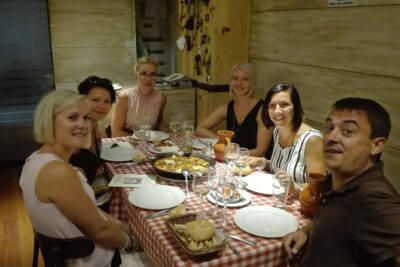
Madrid Local’s Tapas Tour Dinner with a side of History
Read our review →
Guided Tour of Madrid of the Austrias and the Historic Center
Read our review →
Segway Private Tour in the Historic Center of Madrid
Read our review →
Historic Madrid Virtual Reality Experience with an Official Guide
Read our review →Browse the lists this tour appears in