
Review · WORKSHOPS
Leathercraft Workshop in the Rastro of Madrid
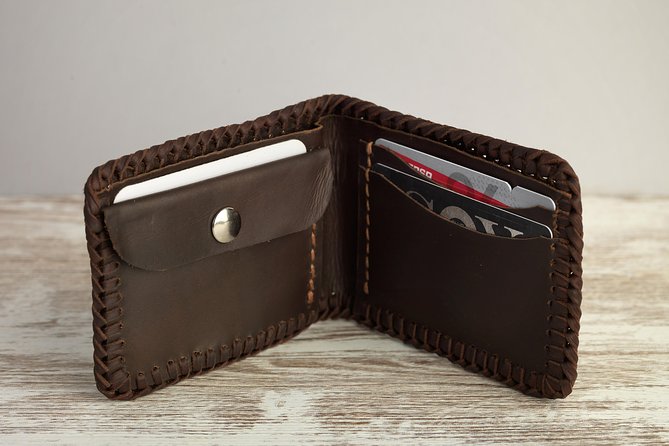
Madrid’s Rastro district is known for old wares and street stalls, but this workshop lets you take home something better than a random souvenir: an item you make yourself. Over about three hours, you learn to handle Spanish cowhide, use traditional tools, and shape a wallet, bag, passport cover, glasses case, purse, or another small project.
I like the small private setting, where the instructor can adjust the pace and help with different skill levels. I also like the personal choices: you select the leather, color, design, and decoration, then finish a useful object with your own hands. The main drawback is practical rather than artistic: the building can be hard to identify, and the workshop is on the fifth floor, so allow extra time to find the entrance and elevator.
In This Review
- Key points before you book
- What this Madrid leather workshop really offers
- Starting near La Latina and the Rastro
- Choosing your leather project
- Learning the tools and techniques
- A three-hour pace that leaves room for conversation
- What you take home at the end
- The instructor and teaching style
- How this compares with buying a Spanish souvenir
- Combining the workshop with La Latina
- Who will enjoy this most
- Practical details that affect your day
- Should you book the leather workshop?
- FAQ
- Where does the leathercraft workshop meet?
- How long does the workshop last?
- Is the activity offered in English?
- What can I make during the workshop?
- What material will I use?
- Are drinks included?
- Is this a private activity?
- Can I cancel for a full refund?
Key points before you book
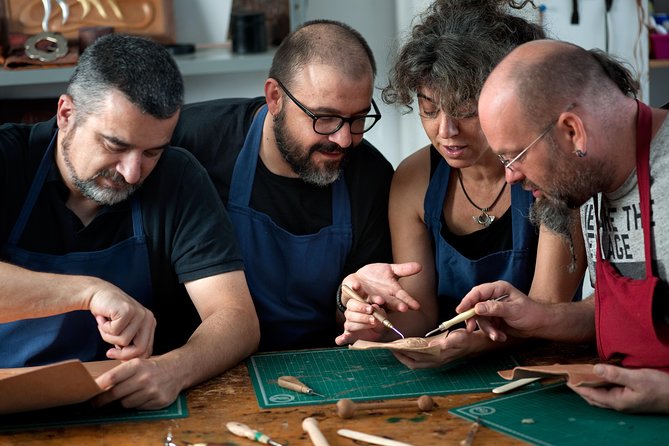
- Use tools with medieval roots: You will be shown the cutting, punching, stitching, stamping, and finishing tools used in leathercraft.
- Pick a project that suits you: Options include a bag, wallet, passport booklet, glasses case, or purse.
- Ask about custom work early: A handbag, belt pouch, or phone case may be possible if you tell the instructor beforehand.
- Expect English instruction: Michael is originally from Ireland and teaches in English.
- Enjoy a relaxed break in La Latina: A glass of wine, beer, or soft drink and an appetizer are included.
- Plan for the entrance: The address is on C. de Carlos Arniches, but the building is not clearly marked and the studio is on the fifth floor.
What this Madrid leather workshop really offers
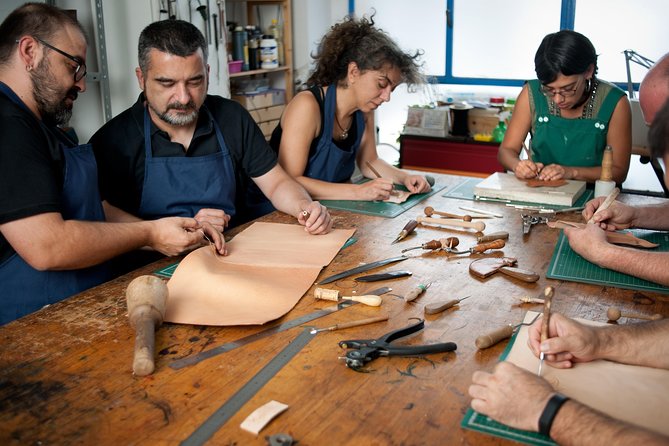
This is not a quick demonstration where you watch an artisan make a belt while you stand nearby. You sit down, choose a project, and take part in the work from the first practical decisions through the finishing touches.
The appeal is simple: you leave with a useful object and a better sense of how it was made. Leatherwork can look easy until you need to cut a clean edge, line up holes, or pull stitching tight without damaging the material. The workshop gives you enough guidance to make those steps manageable without taking away the satisfaction of doing them yourself.
The experience is suitable for complete beginners, but it also leaves room for someone with prior leatherworking experience. Your project can be fairly straightforward, such as a small wallet, or more personal if you arrange a custom design in advance.
The atmosphere is intended to be relaxed and social. Music, conversation, and a drink make it feel more like time spent in an artisan’s studio than a formal classroom. That style will suit you if you enjoy learning by doing and do not need a polished, highly structured production.
A few more Madrid days to weigh up
- Spanish Cooking Class Paella Tapas and Sangria in Madrid
★ 5.0 · 1,340 reviews - Madrid: Paella and Sangria Workshop in the City Center
★ 4.9 · 1,264 reviews - Paella Cooking Class in Madrid with Bottomless Wine Pairing
★ 5.0 · 985 reviews
Starting near La Latina and the Rastro
The meeting point is C. de Carlos Arniches, 9, 5 4, Centro, 28005 Madrid. The workshop is in the La Latina area, close to the Rastro and its vintage and handicraft shops.
The location is useful for planning a half-day. You can attend the class, then walk through the surrounding streets and browse the Rastro district afterward. The shopping portion is not a guided part of the workshop, but the neighborhood gives you an easy way to continue the local craft theme once your project is complete.
Give yourself extra time before the start. The building is not well marked, and the studio is on the fifth floor. The elevator can also be difficult to spot. This is the sort of small point that can turn a calm morning into a rushed one, so arrive early and check the entrance carefully.
The activity ends back at the meeting point. It is near public transportation, and a mobile ticket is accepted. Confirmation is provided when you book.
Choosing your leather project
The first important decision is what you want to make. The standard choices are:
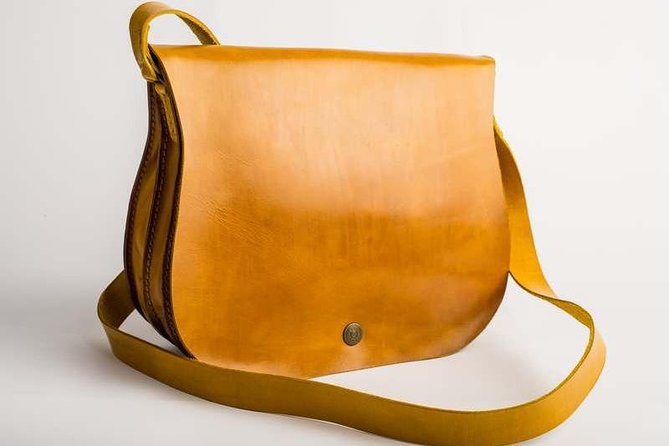
- A bag, with or without a strap
- A glasses case
- A wallet
- A passport booklet
- A purse
You can also ask about another item, such as a handbag, mobile phone case, or belt pouch. For a custom project, contact the instructor before the workshop rather than waiting until you arrive. A design that looks simple on paper may need a different amount of leather, a new pattern, or more time than the standard projects.
I like the range of options because it lets you match the project to your trip. A passport cover has a clear connection to travel. A wallet or purse is compact and useful. A bag gives you a larger piece to remember Madrid by, but it may demand more cutting and stitching.
Families can also choose different projects for different ages and abilities. The instruction can be adjusted to the person working on each piece, and the activity has suited groups ranging from children around age seven to adults. Still, leather tools are real working tools, so younger children need close adult attention.
Learning the tools and techniques
The instructor begins by showing you the tools used in leathercraft. Many of these tools have changed little since medieval times, which gives the practical lesson a welcome link to older European craft traditions.
You learn through direct use rather than a long talk. The work may involve measuring and cutting the hide, punching holes, joining pieces, stitching, and treating the surface. Stamping and embossing let you add a pattern or mark, so the finished item does not look like something pulled from a shelf.
The material is real Spanish cowhide. You are also introduced to different types of leather and the uses and limits of each one. That matters because leather is not simply a matter of picking the prettiest color. Thickness, softness, finish, and flexibility all affect what an item can do.
One especially useful part is the attention to vegetable-tanned leather and its surface. You may learn about varnishing and waxing, two finishing steps that affect the look and protection of the material. These details give you a better idea of why handmade leather goods age differently from mass-produced items.
The instructor’s job is to help without doing the whole project for you. The best parts of the experience come when you make a mistake, understand why it happened, and correct it with guidance. The available feedback points to patient, individualized teaching as one of the workshop’s strongest features.
A different sort of afternoon around Madrid:
- Madrid: Tour Bernabéu Entry Ticket
★ 4.5 · 21,573 reviews - Madrid: Prado Museum Entry Ticket
★ 4.6 · 17,509 reviews - Madrid: Royal Palace Fast-Access Admission Ticket
★ 4.6 · 13,856 reviews - Madrid: “Emociones” Live Flamenco Performance
★ 4.8 · 12,866 reviews
A three-hour pace that leaves room for conversation
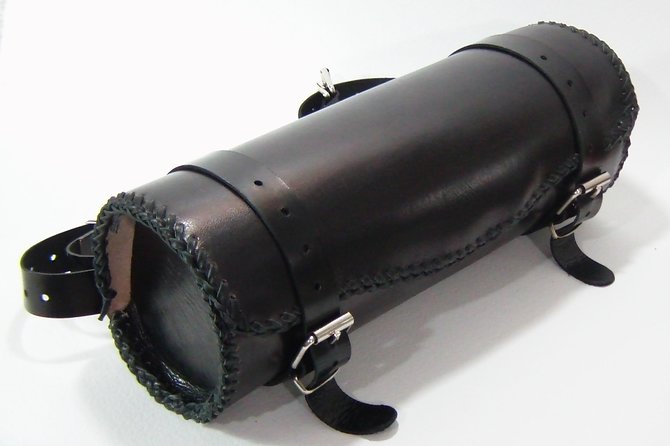
Three hours is long enough to make something substantial, but short enough to fit into a day of sightseeing. You should expect a hands-on session rather than a fast craft activity.
The pace can vary based on the project you choose. A small wallet or passport cover should involve fewer steps than a larger bag. A custom item may also take longer to design. Families and people working at different speeds can expect some flexibility, and the instructor has sometimes stayed beyond the allotted time to help finish special projects.
That flexibility is valuable, but it also means the session may not feel tightly timed. If you have a museum reservation immediately afterward, leave a generous gap. You will get more from the workshop if you can concentrate on the work rather than watching the clock.
The social side is part of the experience. You can talk with Michael about leather, Madrid, Spain, and the city’s past while working. A glass of wine, beer, or soft drink and an appetizer are included, adding a small hospitality touch without turning the class into a meal.
The group size is private, with only your group participating. That is a strong advantage for couples, families, or friends who want to work at their own pace. Solo participants may also have a one-on-one session, depending on the booking, which can provide very direct instruction.
What you take home at the end
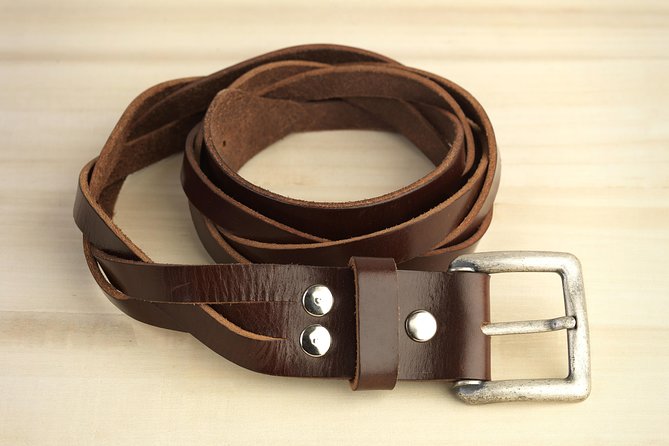
The finished product is the obvious souvenir, but the better part is the personal connection to it. A passport cover or wallet made during the workshop carries the marks of your decisions: the hide you chose, the shape you cut, the pattern you stamped, and the way you stitched it.
Do not expect every piece to look factory-perfect. That is part of the point. Small variations make it yours, and the instructor’s help is there to keep those variations from becoming serious construction problems.
You also leave with a basic understanding of leather care. If you choose vegetable-tanned leather, you may learn how waxing or varnishing changes the surface. That information is useful later, especially if you want to keep the item in good condition or try leatherwork again.
The project can also become a family keepsake. Parents and teenagers can make separate items, compare colors and designs, and leave with souvenirs that recall a shared afternoon rather than a shop purchase.
The instructor and teaching style
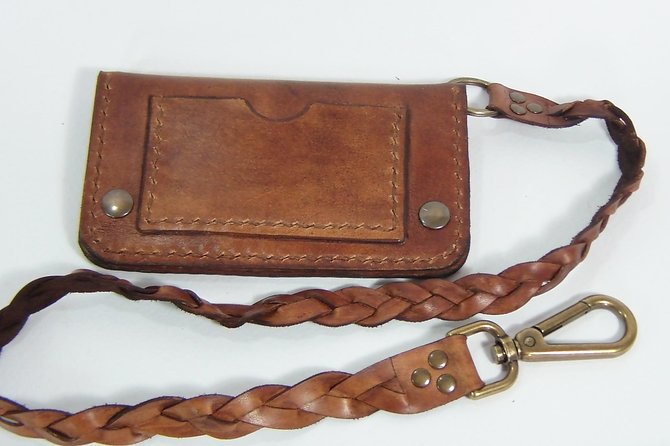
The instructor is identified as Michael, and he is originally from Ireland. He teaches in English, which makes the workshop a practical choice for visitors who do not speak Spanish.
His style is informal and personal. You can expect explanations, demonstrations, and help at your work area rather than a large group lecture. The small studio setting supports questions and conversation, and the teaching can be tailored to a beginner who needs each step explained or a more experienced maker who wants less hand-holding.
The strongest praise centers on patience and clear, individualized help. That is important here because leatherwork has several points where a small error can spoil a piece. Good instruction matters most when you are punching holes, aligning layers, or stitching a curved edge.
There is one fair caution. On one occasion, the instructor was also occupied with advanced private students, which made the session feel distracted and less suited to learning. That does not appear to be the normal experience, but it is worth knowing if you expect uninterrupted one-on-one attention. The workshop’s informal nature can be a strength, though it may not suit you if you want a highly polished, formal class.
How this compares with buying a Spanish souvenir
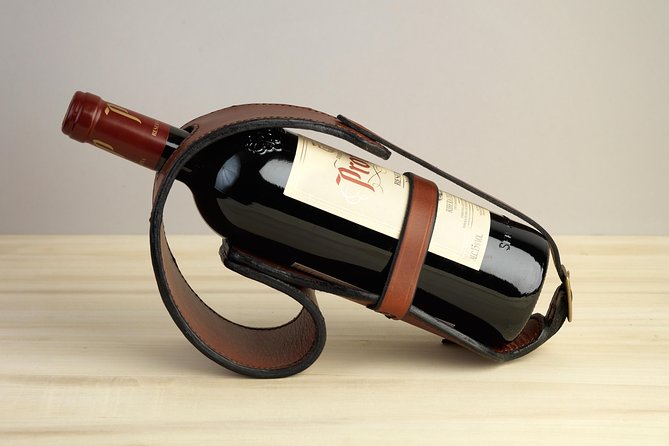
For about $60.34 per person, the value depends on what you want from Madrid. If you only want an inexpensive leather trinket, a shop purchase will be faster and may cost less.
If you value time, instruction, and a personal object, the price is more reasonable. You are paying for roughly three hours of teaching, use of tools and materials, a drink and appetizer, and the chance to choose a project rather than accept a fixed souvenir.
The leather itself also gives the activity more substance than a basic craft class. You work with Spanish cowhide and learn how different leather types behave. The finished item is not just a token of the city. It is a small record of your time and effort there.
I would see this as good value for couples, families, and solo visitors who want a slower activity between museums and sightseeing. It is less appealing if your schedule is packed or you dislike careful handwork.
Combining the workshop with La Latina
The class fits well into a day focused on central Madrid. La Latina is a practical place to add local browsing after the session, especially if you enjoy vintage goods, handicrafts, and old household objects.
You can look for leather goods in the district, but the contrast is more interesting if you browse after making your own. Shop displays will give you a better sense of the finish and construction you have just attempted. You may also spot patterns, clasps, straps, or colors that give you ideas for a future project.
The Rastro is not part of the formal instruction, so do not expect the teacher to lead you through its stalls. Treat it as a nearby add-on. The workshop itself is the main event, and the neighborhood supplies a natural continuation.
Who will enjoy this most
I would recommend the workshop to you if you like:
- Hands-on activities instead of passive sightseeing
- Small, private experiences
- Practical souvenirs with a personal story
- Craft instruction in English
- Flexible projects and creative choices
- A relaxed break from museums and city walks
It is especially good for families with older children and teenagers, couples, and friends who want to make different items in the same session. Solo participants can also enjoy it, particularly if they like conversation and focused instruction.
Experienced leatherworkers may enjoy seeing traditional tools and choosing a custom project, but you should explain your level and goals before arriving. Beginners will get the clearest benefit because the workshop covers the basic tools, materials, and methods.
I would hesitate to book it for someone who wants a sleek studio, a strict timetable, or a fully finished professional product with no visible handmade variation. The setting is personal and somewhat rustic, and one account found the environment less helpful when the instructor was split between groups.
Practical details that affect your day
The experience lasts approximately three hours and is offered in English. It is a private activity for your group, though the exact amount of individual attention can depend on the session.
A mobile ticket is accepted. Service animals are allowed, and the location is near public transportation. Most people can take part, but the supplied information does not give a detailed list of physical requirements, so contact the provider if you have a specific concern.
The workshop includes the class itself, plus one glass of wine, beer, or soft drink and an appetizer. It does not state that hotel pickup, a meal, or a guided Rastro walk is included.
Free cancellation is available if you cancel at least 24 hours before the local start time. A cancellation made less than 24 hours before the experience is not refunded, and late changes are not accepted.
Should you book the leather workshop?
Book it if you want an authentic, useful souvenir made by your own hands, and if you can spare a relaxed three-hour block in Madrid. The patient teaching, choice of projects, English instruction, and private format give the activity real value.
Before booking, decide how much you care about the setting. This is a working artisan studio, not a large school with obvious signage and a polished reception desk. Confirm the address, allow time to find the fifth-floor entrance, and contact Michael in advance if you have a custom project in mind.
For a creative traveler, this is one of the more personal ways to spend time near the Rastro. For a rushed sightseer, it may feel like too much time away from Madrid’s major sights. Choose it for the making, the conversation, and the object you will carry home.
FAQ
Where does the leathercraft workshop meet?
The meeting point is C. de Carlos Arniches, 9, 5 4, Centro, 28005 Madrid, Spain. The activity ends at the same location.
How long does the workshop last?
The workshop lasts approximately three hours.
Is the activity offered in English?
Yes. Michael is originally from Ireland and offers instruction in English.
What can I make during the workshop?
You can choose a bag with or without a strap, a glasses case, a wallet, a passport booklet, or a purse. You can also request another design, such as a handbag, mobile phone case, or belt pouch, if you tell the instructor beforehand.
What material will I use?
You will work with real Spanish cowhide. The instructor also introduces different kinds of leather and explains their possible uses.
Are drinks included?
Yes. The workshop includes one glass of wine, beer, or a soft drink, along with an appetizer.
Is this a private activity?
Yes. Only your group participates in the private tour or activity.
Can I cancel for a full refund?
Yes, if you cancel at least 24 hours before the experience’s local start time. Cancellations made less than 24 hours before the start time are not refunded.
Just added around Madrid
- Private Vacation Photography Session with Photographer in Madrid★ 5.0 · 3 reviews
- Arrival Private Transfer from MAD Airport to Madrid in a Minibus★ 5.0 · 3 reviews
- Segovia: 3-Hour Private Walking Tour★ 5.0 · 3 reviews
- Tour Segovia and La Granja de San Ildefonso from Madrid★ 5.0 · 3 reviews
- Madrid: Prado & Reina Sofia Museum Skip-the-Line Guided Tour★ 5.0 · 3 reviews
- Salamanca: Private Guided Customizable Walking Tour★ 5.0 · 3 reviews
- Total Reboot and Renew with top wellnes 3 hours couple experience★ 5.0 · 3 reviews
- Madrid: Prado Museum Private Tour★ 5.0 · 3 reviews
Workshops, compared.
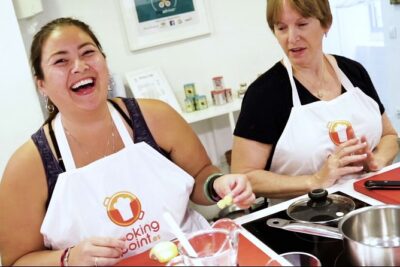
Spanish Cooking Class Paella Tapas and Sangria in Madrid
Read our review →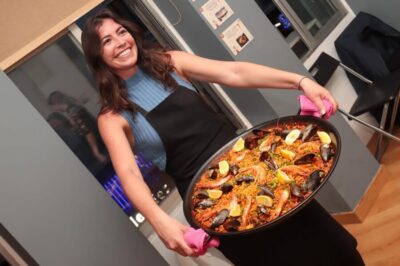
Paella and Sangria Workshop in the City Center
Read our review →
Paella Cooking Class in Madrid with Bottomless Wine Pairing
Read our review →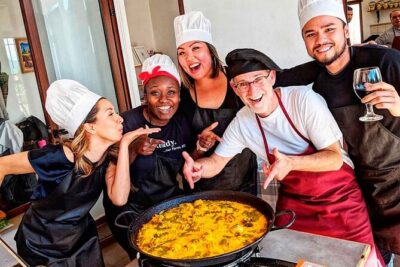
Paella Workshop with Bottomless Sangria in Central Madrid
Read our review →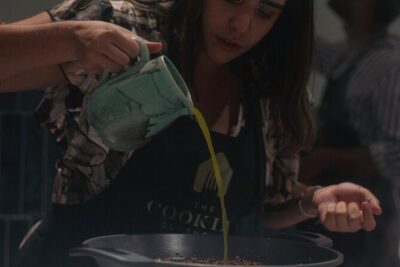
Taste of Spain: Tapas Cooking Class with Bottomless Wine Pairing
Read our review →
Paella & Sangria Classes- Seafood, Chicken & Vegan option
Read our review →
Browse the lists this tour appears in