
Review · PRADO MUSEUM TOURS
Madrid: Prado Museum Masterpieces Tour with Entry Ticket
The Prado can feel like several museums packed into one grand building. This tour gives you a clear route through its finest paintings, beginning with the building and royal collections, then moving from the 15th century to Goya. Delfi, a visual artist and art restorer, explains not only what you are seeing but why it mattered.
I like the small group of up to seven because you can ask questions without losing the guide in a crowd. I also like the chronological plan, which helps you see artists influencing one another instead of meeting a long list of famous names with no connecting thread.
The main drawback is simple: three hours is still only an introduction to the Prado. You will see major works, but you will not cover every gallery, and the steady pace may feel intense if you prefer to linger quietly in front of each painting.
In This Review
- Key points to know before booking
- Why the Prado benefits from a three-hour plan
- Meeting Delfi at Goya’s monument
- From the 15th century to Titian
- El Greco and the Spanish artistic world
- Rubens, Velázquez, and royal power
- Goya and the end of the chronological route
- What makes Delfi’s guiding style useful
- How demanding are three hours inside the Prado?
- Is the $74 price good value?
- Who should book this Prado Museum tour?
- Final call: book it for structure and context
- FAQ
- How long does the Prado Museum tour last?
- What is the price per person?
- Who guides the tour?
- How many people are in the group?
- Where is the meeting point?
- Where does the tour finish?
- Which artists are included?
- Does the tour include museum entry?
- Is the tour wheelchair accessible?
- Can I cancel the booking?
- What should I bring?
- Can I take food, drinks, or large bags inside?
Key points to know before booking
- A chronological route: The tour moves from the 15th through the 19th century, making changes in style easier to follow.
- Delfi’s art-restoration background: Her training brings attention to technique, condition, symbolism, and the way paintings work visually.
- Spain’s royal story: The collection is explained through the rulers and institutions that commissioned and collected much of the art.
- A group capped at seven: This is a more personal format than a large museum walk, with room for questions.
- Headsets help in crowded rooms: Several participants found the microphone and earpieces clear and useful.
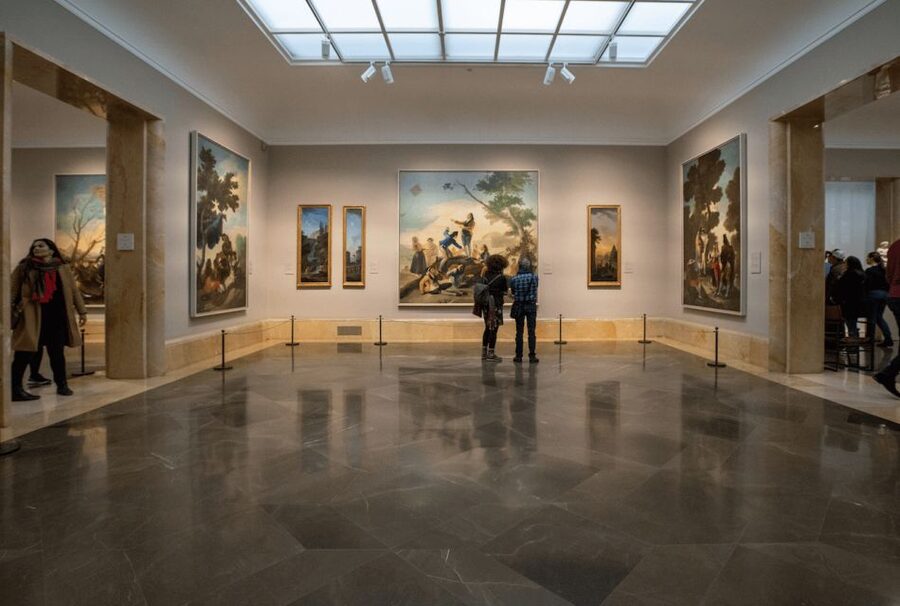
- A practical first visit: The tour focuses on major masterpieces while adding selected works that connect artists and ideas.
Why the Prado benefits from a three-hour plan

The Prado is not difficult because it lacks famous paintings. It is difficult because it has so many of them. A first-time visit can leave you moving from one celebrated canvas to another without understanding how they fit together.
This tour solves that problem with a story. You begin with the origin of the building and the formation of the collections, then follow European painting across four centuries. That structure matters because the Prado is especially strong in works tied to Spain, its monarchs, and the wider Hispanic world.
I find this approach more useful than a simple list of masterpieces. Titian, El Greco, Rubens, Velázquez, and Goya are not treated as isolated stops. Their work is placed within changing religious ideas, royal ambitions, social conditions, and artistic habits.
The three-hour length also gives the guide enough time to explain a painting rather than point at it and move on. You can expect discussion of the subject, the artist’s choices, the period in which it was made, and links to other works nearby.
Still, you should set sensible expectations. The Prado contains far more than any three-hour visit can cover. This is a highlights tour with context, not a full survey of every room. If you want to study minor works at length, plan a separate museum visit.
More ways to see the Prado:
- Madrid: Prado Museum Entry Ticket
★ 4.6 · 17,509 reviews - Madrid: Small Group of Prado Museum Tour & Optional Tapas
★ 4.6 · 2,437 reviews - Madrid: Prado Museum Guided Tour with Skip-the-Line Ticket
★ 4.5 · 2,018 reviews
Meeting Delfi at Goya’s monument
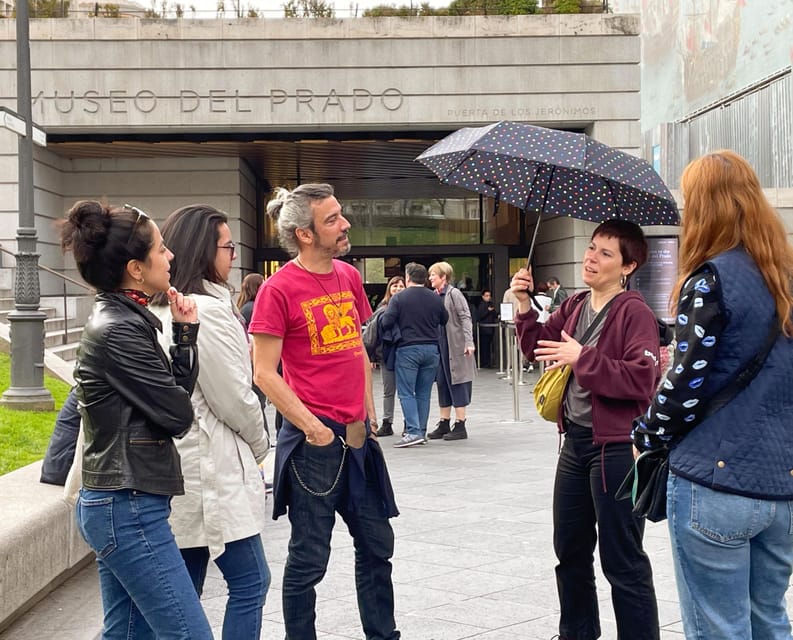
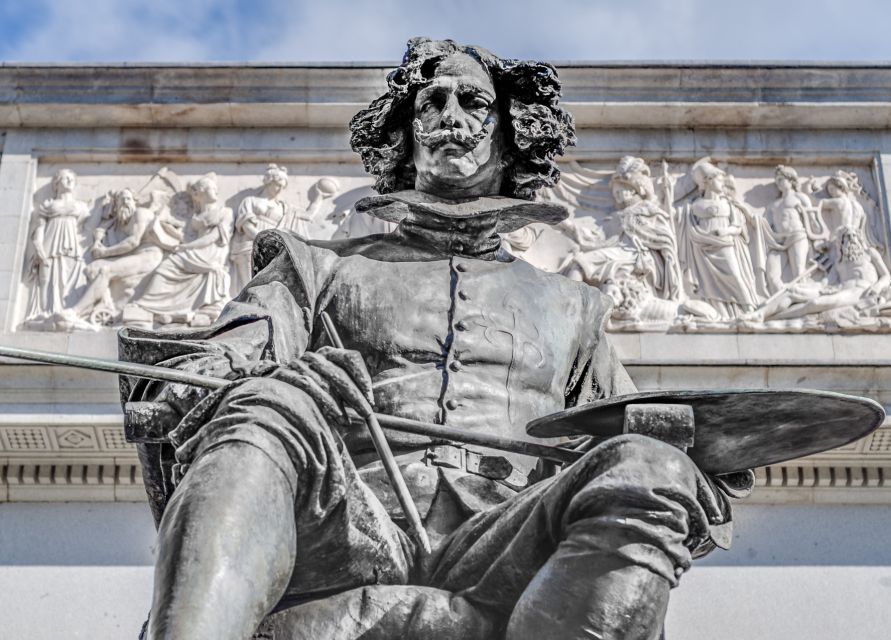
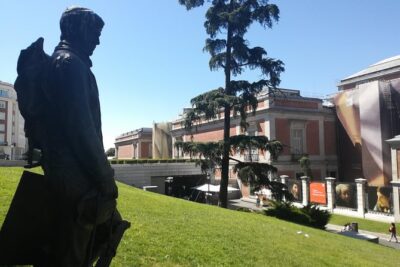
The meeting point is next to the Monumento a Goya. Look for a guide carrying a dark gray umbrella with colorful polka dots, a useful detail in a busy part of Madrid.
Starting beside Goya creates a fitting introduction. He is the final major figure in the tour’s chronological path, and his work helps mark the move toward the modern era. Before entering, expect a short explanation of the museum building, its original purpose, and how its collections developed.
That opening is more valuable than it may sound. The Prado is closely tied to Spanish royal collecting, so knowing how the institution began helps explain why certain artists and subjects receive such strong attention inside.
Delfi also uses the time before the entrance to discuss Madrid and its rulers. That gives you a political and cultural frame before the paintings begin. The tour is not only about looking at color, composition, and brushwork. It is also about who commissioned the art, who controlled its subject matter, and how Spanish power shaped the collection.
Arrive ready to start on time. You will need comfortable shoes, and all belongings must pass through an X-ray scanner. Food and drinks are not allowed, and large bags or luggage cannot be taken inside.
From the 15th century to Titian
Once inside, the route follows time rather than simply moving room by room. That makes the early part of the visit a foundation for everything that follows.
The tour begins with European painting from the 15th century and then moves through major developments in Italian and Flemish art. Titian is one of the key names in the plan. His place in the story helps show how color, portraiture, religious subjects, and courtly taste changed across the period.
You will not simply hear that an artist was important. The point is to understand what to look for. A guide with a background in restoration can draw your attention to technique, surface, detail, and the physical way a painting was made.
This kind of explanation is particularly helpful if you enjoy museums but do not have formal art training. You do not need to arrive knowing terms or dates. Delfi’s method is designed to make the paintings readable, with clear explanations of symbols, visual choices, and connections among artists.
The chronological order also keeps the early rooms from becoming a blur. Instead of trying to remember every name, you can watch painting evolve as the tour moves forward.
El Greco and the Spanish artistic world
The route then gives special attention to artists who worked in Spain or served the Hispanic Monarchy. El Greco is an important part of that transition.
His work offers a useful contrast with earlier styles. The tour uses such differences to help you recognize how artists approached bodies, movement, spirituality, color, and emotional force in distinct ways. You can expect Delfi to explain both the painting in front of you and the broader setting that shaped it.
This is where the tour’s focus on connections becomes most useful. The Prado is not only a place to see isolated masterpieces. It is a place where several centuries of European painting meet, often because Spanish rulers collected work from abroad or employed artists from other countries.
If you have seen El Greco, Velázquez, or Goya in books, a guided explanation can add a new layer. You begin to notice how a work reflects its period, how an artist departs from convention, and how later painters respond to earlier examples.
Delfi’s style, based on the supplied information, is both structured and responsive. She has a planned route, but she also makes room for questions and adjusts to the group. That balance matters in a museum, where one person may want more detail about technique while another is more interested in politics or religion.
More museums in Madrid:
- Madrid: Reina Sofía Museum Entrance Ticket
★ 4.5 · 6,889 reviews - Madrid: Museum of Illusions Ticket
★ 4.1 · 1,909 reviews - Madrid: Prado Museum Guided Tour With Fast Access
★ 4.8 · 1,785 reviews - Prado Museum Small Group Tour with Skip the Line Ticket
★ 5.0 · 1,738 reviews
Rubens, Velázquez, and royal power
Rubens and Velázquez bring the story into a world of courts, diplomacy, status, and royal patronage. The Prado’s collection makes these subjects especially important because the Spanish monarchy played a major role in commissioning and collecting European art.
You can expect the guide to connect the paintings with the people and institutions behind them. That context helps explain why certain subjects were painted, why particular artists gained favor, and how images could serve both artistic and political purposes.
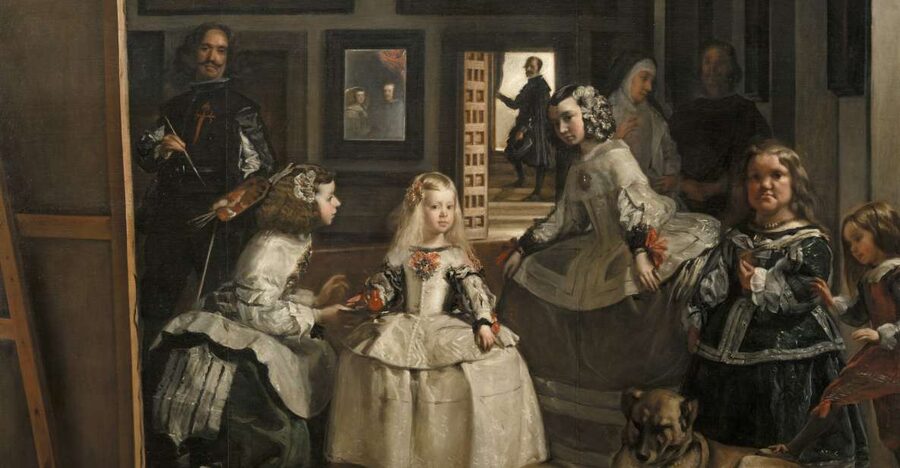
Velázquez is one of the central figures on this route. A good explanation of his work can move beyond the familiar label of great Spanish painter. You are encouraged to look at how he handles space, the relationship between the viewer and the subject, and the visual signals of rank and authority.
Rubens adds another point of comparison. His paintings help show a different approach to movement, physical presence, and grand presentation. Seeing these artists in a connected sequence makes the changes easier to grasp than studying each one alone.
The tour also includes selected works beyond the obvious headline paintings. That is an important strength. A route made only of famous names can feel predictable, while a few carefully chosen supporting works can explain an artist’s influences or a period’s concerns.
Goya and the end of the chronological route
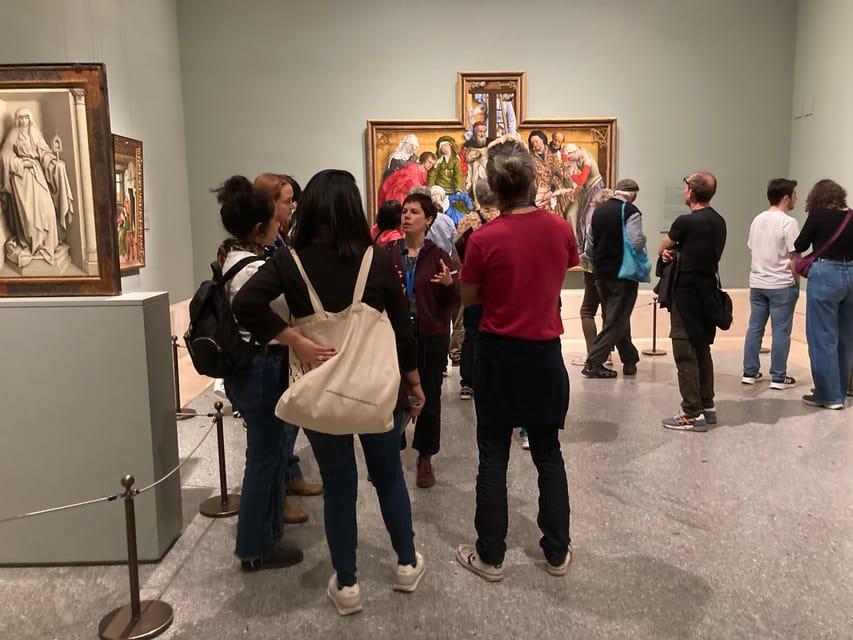
The tour finishes with Goya, whose work provides a natural closing point for a story that begins several centuries earlier. By this stage, you have seen major changes in European painting and learned how Spain’s monarchy shaped much of the Prado’s collection.
Goya’s position at the end allows the guide to discuss a changing Spain and a changing artistic voice. The emphasis is not just on one painter’s fame. It is on how an artist can reflect the concerns of his time while pushing painting in a new direction.
Ending at the Prado also leaves you well placed to continue exploring on your own. You can return to a painting that caught your attention, visit rooms not covered by the tour, or review the ideas you have just learned.
Do not expect to leave with every gallery mapped in your head. You should leave with something more practical: a sense of where to begin and a way to look. That is a good result for a first visit to a museum of this size.
What makes Delfi’s guiding style useful
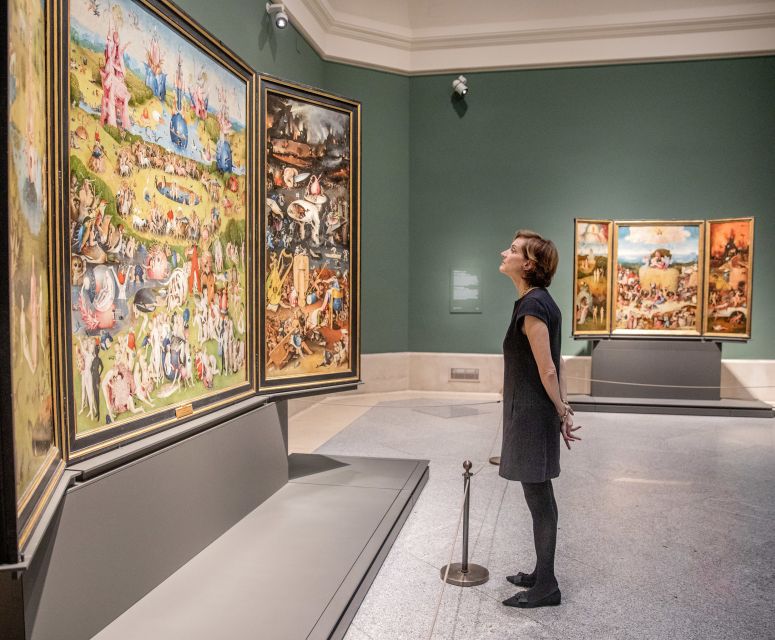
The strongest feature of this experience is the guide. The supplied information identifies Delfi as the guide, and the repeated praise focuses on her command of art, history, and Spanish royal context.
Her background as a visual artist and art restorer adds a useful angle. You can expect attention to the making of the paintings, not just their stories. That may include how an artist used technique, how details direct your eye, and why a work looks the way it does.
Her explanations are also designed for a mixed group. You do not need to be an art specialist to follow the tour, and experienced museumgoers can still gain from comparisons and historical links. One participant with substantial museum experience found that the guide added more than they could have learned alone.
The human side matters, too. Delfi is described as friendly, patient, and easy to understand, with a soothing voice and strong English. She answers questions and gives recommendations for other things to do in Madrid after the museum visit.
The group size supports that style. With no more than seven people, you should be able to hear the guide, get closer looks at paintings, and ask questions. Headsets are provided, which several participants found especially helpful when other people were nearby.
How demanding are three hours inside the Prado?
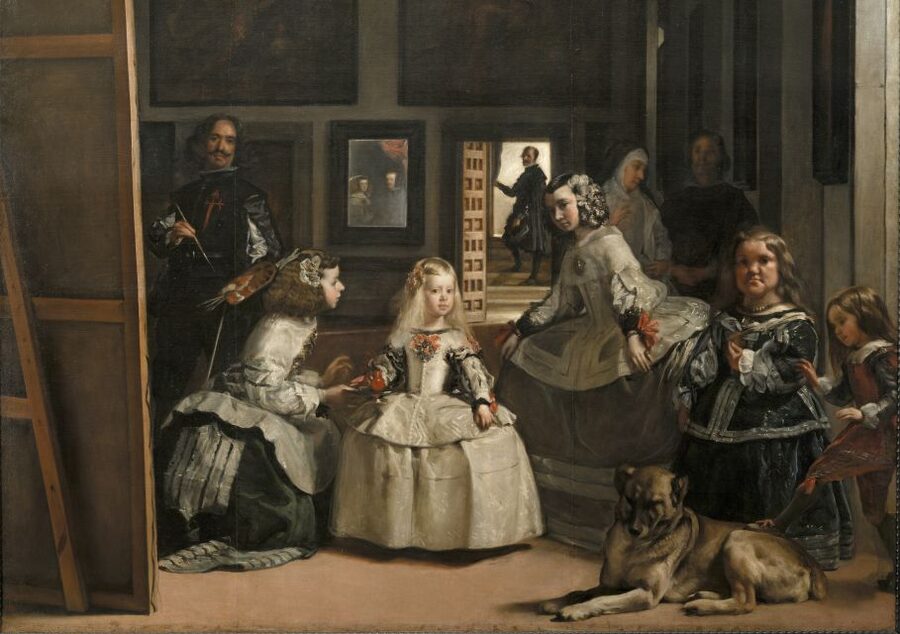
Three hours is a serious museum session. Comfortable shoes are essential, and you should not schedule a rushed meal or another fixed appointment immediately afterward.
The pace is helped by the clear route. You are not wandering without direction, and the guide has selected the main works in advance. Even so, expect a substantial amount of listening and standing.
This format suits you if you want to learn a lot in one visit. It is less ideal if your main goal is a quiet, unhurried look at just two or three paintings. Families and mixed-interest groups may find the structure useful because the stories and historical links can hold attention better than a room-by-room stroll.
The small group also helps younger participants. One parent specifically valued the guide’s ability to keep a teenager interested. That does not mean every child will enjoy three hours of art, but the clear storytelling gives families a better chance than an unstructured visit.
Photography inside is not allowed. You should also bring a passport or ID card, as identification is listed among the required items. The museum is wheelchair accessible, though the tour’s three-hour duration remains worth considering for anyone who needs frequent rest.
Is the $74 price good value?
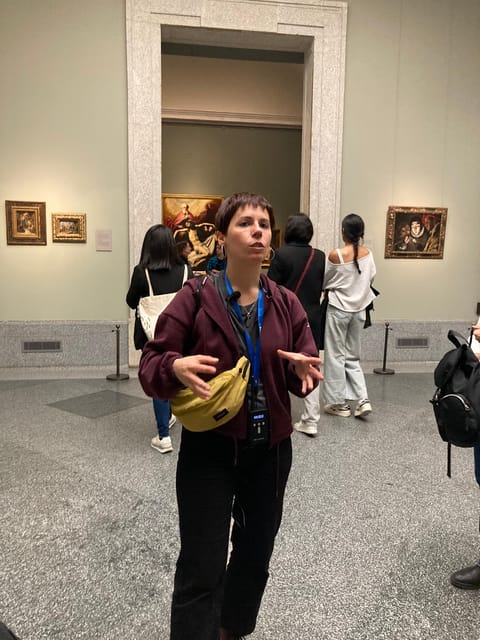
At $74 per person, this is not the cheapest way to enter the Prado. You are paying for the museum ticket, an English-speaking guide, a small group limited to seven, and three hours of focused instruction.
I think the price is reasonable if this is your first Prado visit or if you want a strong introduction to European painting without doing extensive preparation. A large museum can easily consume half a day while leaving you unsure about what you saw. A well-planned route can save time and prevent that familiar museum fatigue.
The value is strongest for people who want interpretation rather than simple access. You are paying for the connections among Titian, El Greco, Rubens, Velázquez, Goya, and the Spanish monarchy, as well as for help reading symbolism and artistic technique.
It may be less worthwhile if you already know the Prado well and prefer to set your own route. One repeat visitor still enjoyed the structure, but a regular museumgoer may want to compare the cost with entering independently and hiring an audio guide or using their own research.
The reserve-now, pay-later option and free cancellation up to 24 hours before the tour add flexibility. Those policies do not change the artistic quality, but they reduce the risk of committing too early to a busy Madrid schedule.
Who should book this Prado Museum tour?
I would choose this tour for a first-time Prado visitor who wants the major works explained in plain English. It is also a good fit if you enjoy art but feel unsure how to approach a large museum.
Families may appreciate the short group size, clear route, and lively stories. Couples and solo visitors gain the chance to ask questions without being part of a large crowd. Experienced museumgoers can benefit from the links among artists, periods, and Spanish political history.
You should think twice if you dislike guided schedules, need to spend long periods with one painting, or have already explored the Prado in detail. Three hours is a lot of time to follow someone else’s plan.
For most first visits, though, the plan makes sense. You see the major names, learn why they matter, and finish with enough orientation to return to the collection on your own.
Final call: book it for structure and context
Book this Prado Museum tour if you want more than a ticket and a quick look at famous paintings. Delfi’s chronological plan, art-restoration background, clear English, and small group create a focused introduction to four centuries of European art.
The main tradeoff is coverage. You will not see everything, and the three-hour pace leaves little room for aimless wandering. But that is also the point. If the Prado feels overwhelming, this experience gives you a reliable path through its most important works and the historical links that make them memorable.
FAQ
How long does the Prado Museum tour last?
The tour lasts three hours.
What is the price per person?
The price is $74 per person.
Who guides the tour?
The tour is led in English by Delfi, a visual artist and art restorer.
How many people are in the group?
The group is limited to seven participants.
Where is the meeting point?
Meet next to the Monumento a Goya. The guide carries a dark gray umbrella with colorful polka dots.
Where does the tour finish?
The tour finishes at the Museo Nacional del Prado.
Which artists are included?
The route gives special attention to Titian, El Greco, Rubens, Velázquez, and Goya, among other artists.
Does the tour include museum entry?
Yes. A Prado Museum entry ticket is included.
Is the tour wheelchair accessible?
Yes, the activity is listed as wheelchair accessible.
Can I cancel the booking?
You can cancel up to 24 hours in advance for a full refund. The activity also offers reserve-now, pay-later booking.
What should I bring?
Bring a passport or ID card and comfortable shoes.
Can I take food, drinks, or large bags inside?
No. Food and drinks, luggage, and large bags are not allowed. All belongings must pass through an X-ray scanner, and photography inside is not permitted.
Just added around Madrid
- Private Vacation Photography Session with Photographer in Madrid★ 5.0 · 3 reviews
- Arrival Private Transfer from MAD Airport to Madrid in a Minibus★ 5.0 · 3 reviews
- Segovia: 3-Hour Private Walking Tour★ 5.0 · 3 reviews
- Tour Segovia and La Granja de San Ildefonso from Madrid★ 5.0 · 3 reviews
- Madrid: Prado & Reina Sofia Museum Skip-the-Line Guided Tour★ 5.0 · 3 reviews
- Salamanca: Private Guided Customizable Walking Tour★ 5.0 · 3 reviews
- Total Reboot and Renew with top wellnes 3 hours couple experience★ 5.0 · 3 reviews
- Madrid: Prado Museum Private Tour★ 5.0 · 3 reviews
Prado Museum Tours, compared.

Small Group of Prado Museum Tour & Optional Tapas
Read our review →
Prado Museum Guided Tour with Skip-the-Line Ticket
Read our review →
Prado Museum Small Group Tour with Skip the Line Ticket
Read our review →
Royal Palace & Prado Museum Skip the Line Guided Tour
Read our review →
Prado Museum Guided Tour with Skip-the-Line Ticket
Read our review →Browse the lists this tour appears in