
Review · REINA SOFIA MUSEUM TOURS
Madrid: Reina Sofía Museum Entrance Ticket
Picasso’s Guernica is the main reason many people come to Madrid’s Reina Sofía Museum, and it is a powerful reason. The huge painting is not tucked away in a quiet corner. It anchors a major collection of 20th-century Spanish art, with nearby works that help you understand the political and artistic world behind it.
I like this ticket for two clear reasons: it gives you a simple way to enter a famously popular museum, and it lets you explore at your own pace. I also like the range, from Dalí’s surrealist canvases and Miró’s bright colors to photography, film, sound, and other forms beyond traditional painting.
The main drawback is the museum’s size and layout. You can spend half a day here, yet some galleries or floors may be closed during your visit. Signage can be confusing, and the ticket does not include a guide or audio commentary.
In This Review
- Key points to know before you go
- Why Guernica deserves your first stop
- Finding the Picasso galleries around the masterpiece
- Dalí’s surreal world and El gran masturbador
- Miró’s primary colors and freer visual language
- A collection that needs time and a plan
- Entry, timing, and the value of $14
- Opening hours and days to avoid
- The audio guide and finding your way
- Practical rules inside the museum
- Who will get the most from this ticket
- Should you book the Reina Sofía ticket?
- FAQ
- How long is the Reina Sofía ticket valid?
- Where do I enter the museum?
- Is a tour guide included?
- Can I rent an audio guide?
- When is the Reina Sofía Museum free?
- Is the museum wheelchair accessible?
Key points to know before you go
- Guernica is the centerpiece: Picasso’s masterpiece alone can justify the €14 ticket, especially if you have limited time in Madrid.
- Expect a large collection: More than 21,000 works are currently displayed in the main building, so plan more than a quick one-hour stop.
- Dalí and Miró get strong attention: You can see about 20 works by Salvador Dalí, including El gran masturbador, plus Joan Miró’s striking primary-color compositions.
- This is a self-guided visit: An audio guide is available inside for €4.50, but no museum guide is included.
- Timed access can save time: Online ticket holders may enter directly while a separate ticket line grows, though the exact entry process can vary.
- Check the open galleries: The collection is large, but floors or rooms may occasionally be closed, which can affect the value of a full-day ticket.
Why Guernica deserves your first stop
I would make Guernica your first destination inside the museum. It is the painting most likely to draw a crowd, and seeing it early gives you a clear purpose before the building’s many rooms begin to blur together.
Picasso painted Guernica in response to the 1937 bombing of the Basque town during the Spanish Civil War. You do not need to know every detail to feel its force. The fractured bodies, screaming faces, wounded horse, and stark black-and-white surface create a scene of panic and grief that still feels immediate.
Give the painting time. It is tempting to take a quick picture and move on, but the work rewards a slower look. Notice how your eye moves from one sharp shape to another, then back to the central horse and fallen figure. The surrounding material helps place the work in its political setting, so do not treat the painting as an isolated celebrity.
The room can become crowded, with people posing for photographs directly in front of the canvas. If you want a better view, step to the side and wait for a gap rather than trying to push toward the center. A little patience makes a major difference.
More Reina Sofia visits:
- Madrid: Reina Sofía Museum Guided Tour
★ 4.3 · 659 reviews - Reina Sofia Museum Small Group Tour -6 people maximum-
★ 5.0 · 433 reviews - Madrid: Guided Tour of Reina Sofía Museum with Entry Ticket
★ 4.9 · 363 reviews
Finding the Picasso galleries around the masterpiece
The Reina Sofía is not simply a one-painting museum. Picasso’s work appears in a wider presentation of Spanish modern art, and the nearby pieces give you a better sense of his range.
You may encounter studies and related works that show how ideas develop before they reach a final form. This is one of the museum’s strengths. Instead of seeing only a famous finished object, you can consider the drawings, political material, and neighboring works that give the period more shape.
The exact arrangement can change, and some galleries may be closed. That means you should avoid building your whole visit around a fixed room-by-room plan. Use the museum map, ask staff when possible, and keep your focus on the galleries that are open.
The ticket is particularly useful if Picasso is your priority. You can enter, head to the relevant collection, and then decide if you have the energy for the rest. That is a better plan than rushing through every room simply because your ticket is valid for the day.
Dalí’s surreal world and El gran masturbador
Salvador Dalí receives a strong showing, with around 20 canvases in the collection. His work offers a sharp change from Picasso’s political urgency. Here you get dream imagery, strange proportions, polished surfaces, and objects that seem familiar until Dalí places them in an unsettling setting.
El gran masturbador is one of the key works to seek out. Like much of Dalí’s art, it is not designed for a quick, tidy explanation. Its distorted forms and private symbols invite questions, even when the answers remain uncertain.
I recommend using the audio guide for this section if you want help with the symbolism. The €4.50 fee is modest compared with the museum ticket, and several people find the commentary useful for identifying major works and making sense of what they are seeing.
You can also enjoy Dalí without solving every symbol. Look first at the painting’s forms, colors, and odd relationships. Then read the label or listen to the guide. That order keeps the art from turning into a test with one correct answer.
Miró’s primary colors and freer visual language
Joan Miró’s paintings provide another welcome shift. His work is often defined by bright primary colors, simplified shapes, playful marks, and open spaces. After the dense drama of Guernica and the psychological puzzles of Dalí, Miró can feel lighter, though his paintings still carry plenty of ambiguity.
I like stopping here when the museum begins to feel visually heavy. Miró’s paintings ask you to look at color and rhythm rather than search for a literal scene. You might see a creature, a figure, or a landscape-like suggestion, but the work leaves room for your own reading.
The museum’s broader presentation places traditional genres beside photography, film, sound, and dance. This matters because 20th-century art did not stay confined to framed oil paintings. You may find that a film or poster display holds your attention as strongly as a canvas.
The collection does not force a single interpretation. That can be rewarding, but it can also feel confusing if you prefer a clearly marked route. I would treat the museum as a set of connected stories rather than a perfectly linear tour.
More museums in Madrid:
- Madrid: Prado Museum Entry Ticket
★ 4.6 · 17,509 reviews - Madrid: Small Group of Prado Museum Tour & Optional Tapas
★ 4.6 · 2,437 reviews - Madrid: Prado Museum Guided Tour with Skip-the-Line Ticket
★ 4.5 · 2,018 reviews - Madrid: Museum of Illusions Ticket
★ 4.1 · 1,909 reviews
A collection that needs time and a plan
More than 21,000 works are displayed in the main building. You will not see everything in one visit, and trying to do so is a poor use of your energy.
For a focused visit, allow at least two hours for Guernica, Picasso, Dalí, and Miró. If you read labels, use the audio guide, and stop for film or photography, plan on three to four hours. Art lovers could reasonably spend half a day or more.
A useful approach is to divide the visit into three parts:
- Start with Guernica and the main Picasso rooms.
- Continue through Dalí and Miró, paying attention to how different their visual languages feel.
- Use your remaining time for photography, film, posters, temporary displays, or works that catch your eye along the way.
This plan gives you direction without turning the museum into a checklist. It also helps if some rooms are closed. You can shift to another section instead of wasting time searching for a gallery that is not open.
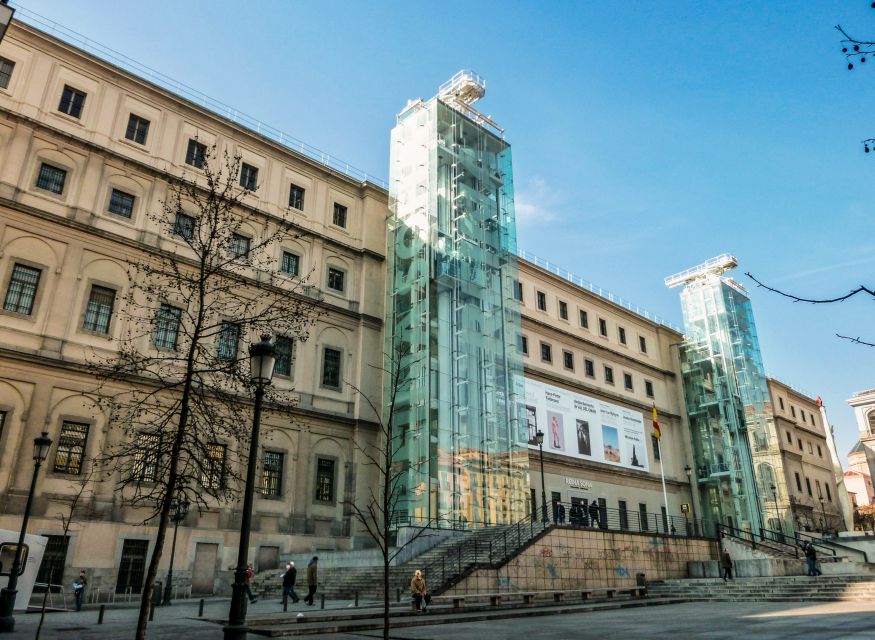
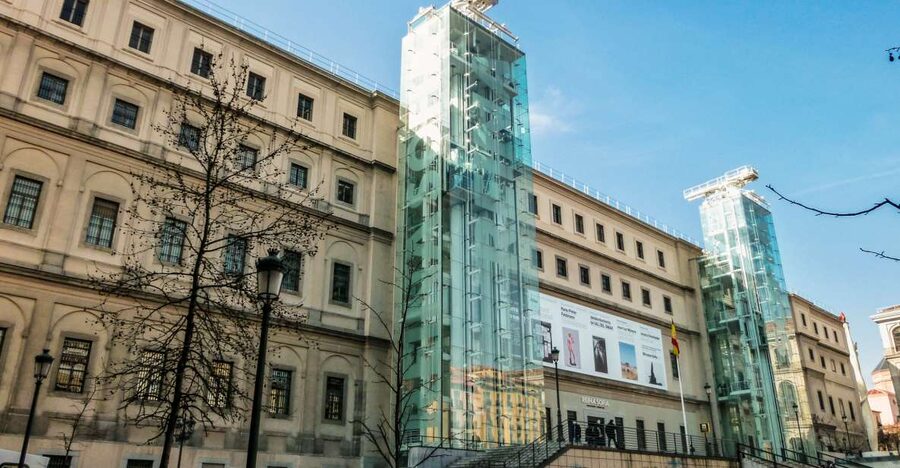
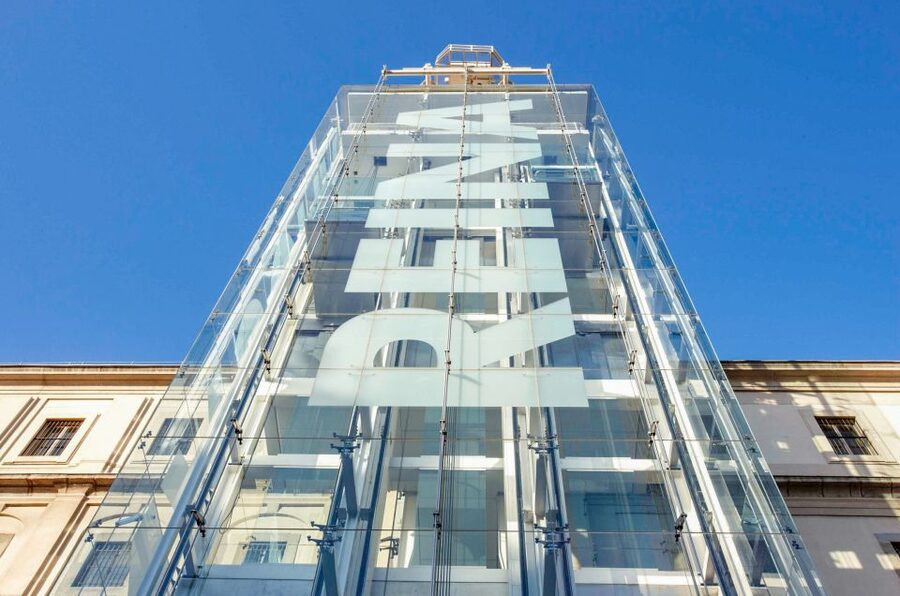
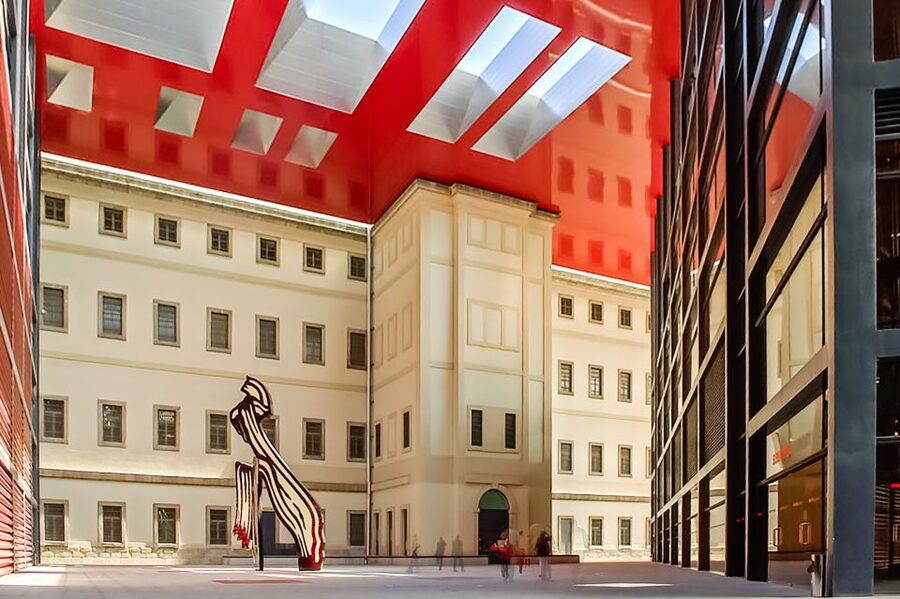
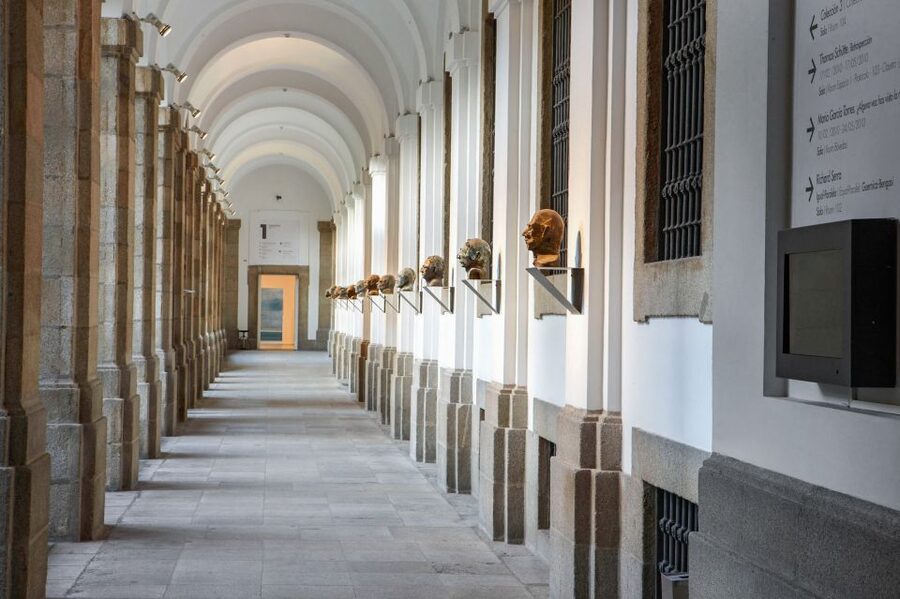
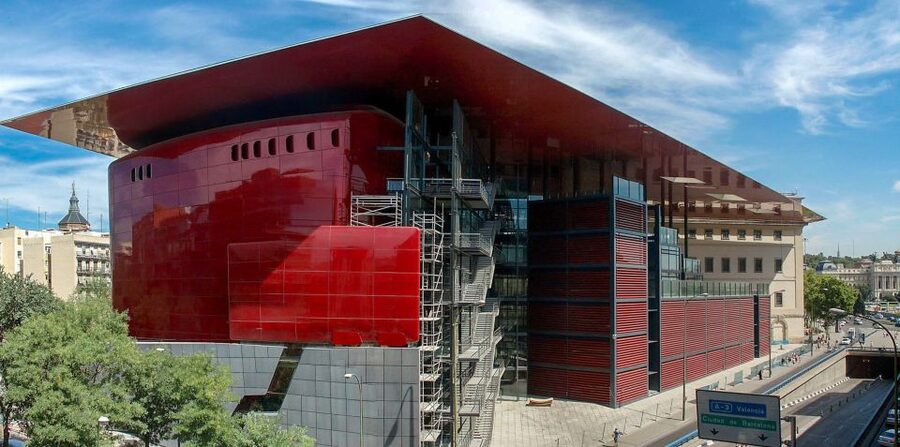
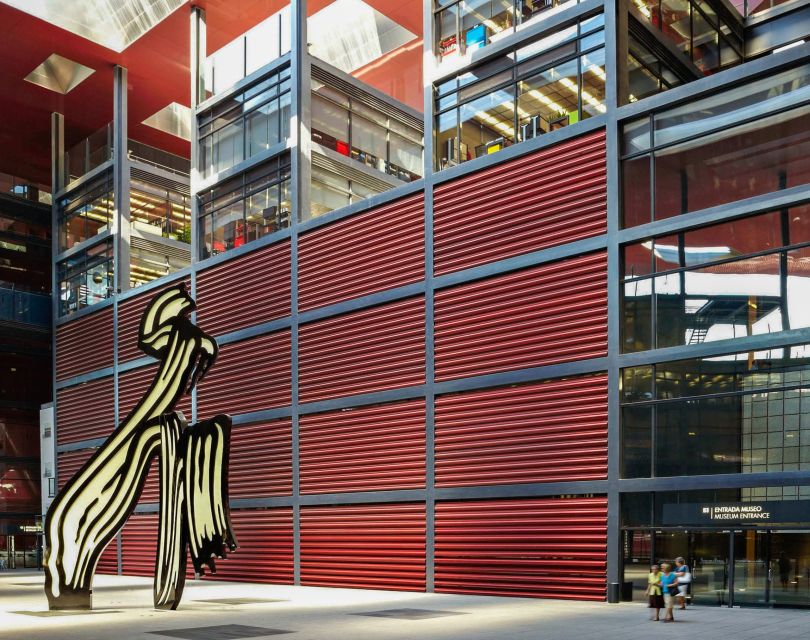
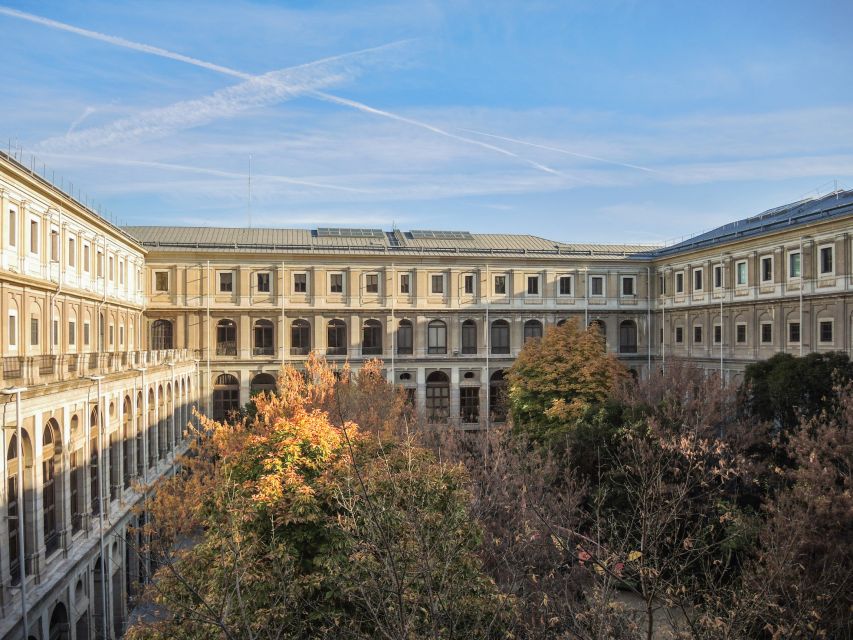
The building itself is part of the experience. The entrance is through the Nouvel courtyard at Ronda de Atocha 2, and the modern architecture provides a contrast to the older hospital structure that houses much of the collection. If you enjoy museums as physical spaces, leave time to look around rather than treating the building as a mere container for art.
Entry, timing, and the value of $14
The ticket costs $14 per person and is valid for one day. For many people, that is a fair price because the museum contains several major artists and enough material for a long visit.
The ticket becomes especially useful when the entrance line is long. Online ticket holders may be able to walk directly in while people buying admission wait. This is most valuable if you have a tight schedule, a prebooked lunch, or a train to catch.
You should still allow time to find the correct access point. Go to the museum entrance in the Nouvel courtyard at Ronda de Atocha 2, and check the signs for the line reserved for people who already have tickets. Entry arrangements can be confusing, and clear signs separating paid ticket holders from people buying admission would make the process easier.
There is one important value question: the museum offers free admission Monday through Saturday from 7 PM to 9 PM, and Sundays and public holidays from 12:30 PM to 2:30 PM. If you are happy to visit during those short windows, paying $14 may not be necessary.
The free periods are not ideal for a relaxed full collection visit. Two hours is enough for Guernica and selected highlights, but not enough to study a large portion of the museum. I would pay for the ticket if you want a daytime visit, dislike queuing, or want several hours inside. I would consider the free hours if your schedule is flexible and your main goal is Picasso.
Opening hours and days to avoid
The museum opens Mondays from 10 AM to 9 PM, Wednesdays through Saturdays from 10 AM to 9 PM, and Sundays from 10 AM to 2:30 PM. It is closed every Tuesday, and Sundays can occasionally have additional closures.
The museum also closes on January 1 and 6, May 1 and 15, November 9, and December 24, 25, and 31. Check the calendar before you go, especially around public holidays.
For the best chance of a calmer start, arrive early in the day. The museum can become much busier around noon, and arriving early may help you see Guernica before the room fills with people.
Evening admission can work well if you want a short cultural stop after other sightseeing. Just remember that the free evening window ends at 9 PM, so you will need to move with purpose. The Sunday free period is shorter still, ending at 2:30 PM.
The audio guide and finding your way
This is a self-guided ticket, not a guided tour. If you want context, the museum sells an audio guide for €4.50 inside. The guide can help you identify major works and avoid walking past important pieces without understanding their place in the collection.
I would consider renting it if modern art is unfamiliar to you or if you want a planned highlights route. It can also help with Dalí, whose symbolism is easy to admire but harder to place without background.
Navigation is the weak point. The museum is large, signs can be hard to follow, and the open galleries may not match the route you expected. Do not assume that the first floor, third floor, or fourth floor will all be operating normally. Parts of the museum may be closed for exhibition changes or other reasons.
If a floor is closed, ask where the main Picasso and Dalí works are located before you set off. Staff instructions must be followed, but language help may be limited. A phone map or museum map can make the visit less frustrating.
Practical rules inside the museum
Large bags and luggage are not allowed. Permitted bags, purses, and backpacks should be no larger than the recommended dimensions of 40 by 30 by 10 centimeters.
Food and drinks are not permitted, nor are toys, balls, or entertainment items. Sharp objects such as knives, scissors, and tools are also prohibited. Only closed folding umbrellas are allowed.
Children should remain under adult supervision, and you must follow museum staff instructions. Assistance dogs are permitted, as are emotional support dogs when properly justified. The museum is wheelchair accessible.
These rules are simple, but they matter if you are arriving with shopping bags or a large daypack. Travel light and you will have an easier entry.
Who will get the most from this ticket
I would recommend this experience to anyone who wants a serious look at Spanish art without committing to a group tour. It suits first-time Madrid visitors who want to see Guernica, as well as returning visitors who want more time with Dalí, Miró, photography, or film.
It is also a good choice for people with limited time. A prebooked ticket can help you avoid a long entrance wait, though it does not guarantee that every gallery will be open.
Families can visit, but the size and concentration required may test younger children. Keep children close, especially in crowded rooms and near major paintings.
This ticket is less suitable if you want a personal explanation from a guide or a fixed route with every highlight clearly marked. In that case, the extra audio guide is worth considering, but it still will not replace a private guide.
Should you book the Reina Sofía ticket?
Book it if Guernica, Picasso, Dalí, and Miró are high on your Madrid list, or if you want a daytime visit without standing in the general ticket line. At $14, it offers solid value for a museum that can fill several hours.
Skip the paid ticket if you can comfortably use the free admission windows and only want a quick look at the main masterpiece. Before booking, check the opening calendar and accept that some floors or galleries may be closed.
My practical choice would be a morning ticket, a light bag, and the €4.50 audio guide if you want more context. Go straight to Guernica, then give yourself permission to wander. The museum works best when you have a clear first target but enough time to follow the art somewhere unexpected.
FAQ
How long is the Reina Sofía ticket valid?
The ticket is valid for one day. You should check availability for the starting time offered when booking.
Where do I enter the museum?
Enter through the Nouvel courtyard at Ronda de Atocha 2.
Is a tour guide included?
No. The ticket includes museum admission, booking, and handling fees. There is no guide inside the museum.
Can I rent an audio guide?
Yes. An audio guide can be purchased inside the museum for €4.50.
When is the Reina Sofía Museum free?
Admission is free Monday through Saturday from 7 PM to 9 PM, and on Sundays and public holidays from 12:30 PM to 2:30 PM.
Is the museum wheelchair accessible?
Yes, the museum is wheelchair accessible. Assistance dogs are allowed, and emotional support dogs are allowed when properly justified.
Just added around Madrid
- Private Vacation Photography Session with Photographer in Madrid★ 5.0 · 3 reviews
- Arrival Private Transfer from MAD Airport to Madrid in a Minibus★ 5.0 · 3 reviews
- Segovia: 3-Hour Private Walking Tour★ 5.0 · 3 reviews
- Tour Segovia and La Granja de San Ildefonso from Madrid★ 5.0 · 3 reviews
- Madrid: Prado & Reina Sofia Museum Skip-the-Line Guided Tour★ 5.0 · 3 reviews
- Salamanca: Private Guided Customizable Walking Tour★ 5.0 · 3 reviews
- Total Reboot and Renew with top wellnes 3 hours couple experience★ 5.0 · 3 reviews
- Madrid: Prado Museum Private Tour★ 5.0 · 3 reviews
Reina Sofia Museum Tours, compared.
Reina Sofia Museum Small Group Tour -6 people maximum-
Read our review →
Guided Tour of Reina Sofía Museum with Entry Ticket
Read our review →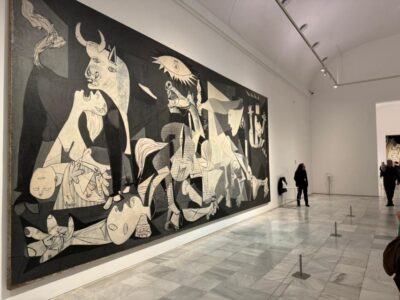
Reina Sofia and Prado Museum Tickets and Guided Tour
Read our review →
Prado Museum with Reina Sofia Museum Guided Tour
Read our review →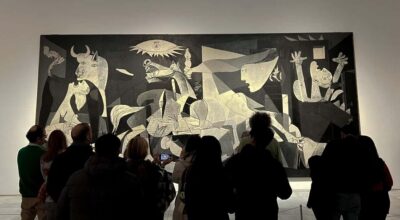
Reina Sofía Guided Tour with Skip-the-Line Tickets
Read our review →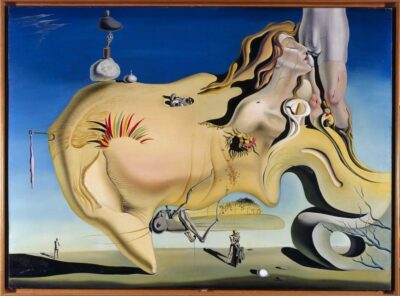
Reina Sofía Museum Ticket with In-App Audio Guide
Read our review →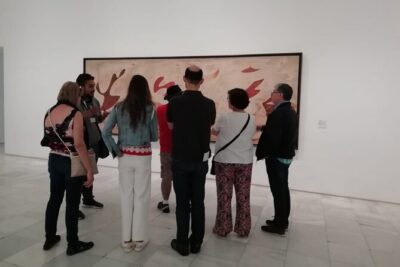
Browse the lists this tour appears in