
Review · REINA SOFIA MUSEUM TOURS
Madrid: Reina Sofía Museum Guided Tour
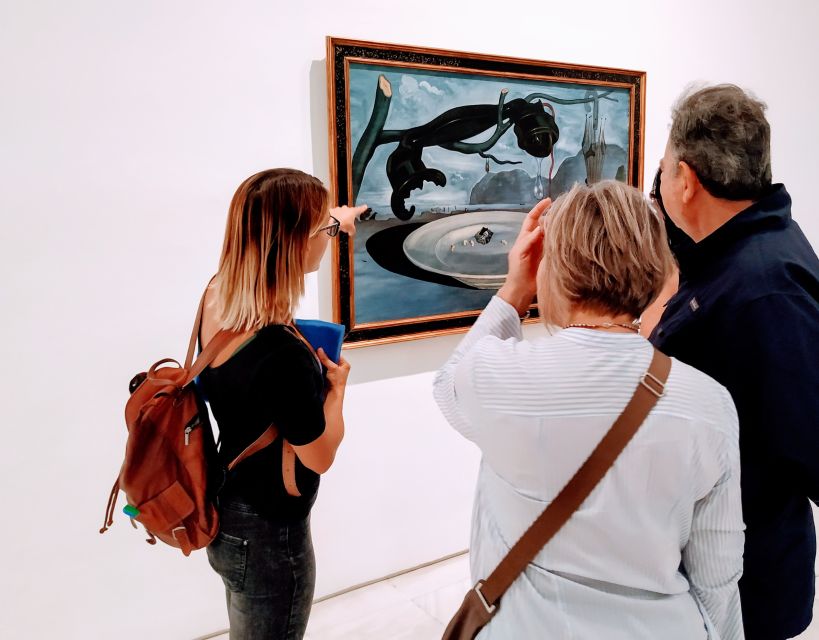
Picasso’s Guernica is the great pull here, but the best part of this 75-minute visit is the path leading up to it. Your guide sets Cubism, Surrealism, abstract art, and modernism in order, so the museum’s stranger works begin to make sense. I like the clear focus on major Spanish artists, and I like that you can remain inside after the tour to continue at your own pace.
I also appreciate the guides’ interactive approach. Paula, Helena, Alex, Livia, and others have been praised for making difficult art easier to follow, asking what you see, and leaving room for questions. The main drawback is time: 75 minutes can feel short in a museum this large, and some guides move quickly to cover the key works. The bilingual format can also affect the pace if English and Spanish are presented together.
In This Review
- Key points to know before you book
- Why the Reina Sofía deserves a guided visit
- Meeting at Calle de Santa Isabel, 52
- Following the story of Cubism and Surrealism
- Picasso, Dalí, and Miró in one route
- Meeting Guernica face to face
- The former hospital and the museum gardens
- What happens after the 75-minute tour
- Is $38 a fair price?
- Who should book this museum tour?
- My verdict on the Reina Sofía guided tour
- FAQ
- How long does the Reina Sofía guided tour last?
- What is the tour price?
- Is museum admission included?
- Is a guide included?
- What languages are available?
- Can I stay in the museum after the tour?
- Is transportation included?
- Where does the tour meet?
- Is the museum wheelchair accessible?
- What items are not allowed?
- Can I cancel for a refund?
- Can I reserve now and pay later?
Key points to know before you book
- Guernica comes at the heart of the route: You finish with Picasso’s monumental anti-war painting, an emotional and memorable moment.
- The tour gives modern art a timeline: Cubism, Dadaism, Surrealism, abstraction, and modernism are explained as connected movements rather than isolated labels.
- You see Spain’s major modern artists: Picasso, Salvador Dalí, and Joan Miró receive special attention.
- You skip the ticket line: Admission to the Reina Sofía is included, saving you from arranging a separate museum entry.
- You can stay after the guided visit: Use the remaining time for galleries and temporary exhibitions on your own.
- The group may be private: Private groups are available, while the standard experience can vary by booking option.
Why the Reina Sofía deserves a guided visit
Madrid’s Reina Sofía is not simply a room containing Guernica. It is one of Spain’s leading museums of 20th-century and contemporary art, and its collection asks you to look at art through politics, war, psychology, social change, and new ways of seeing.
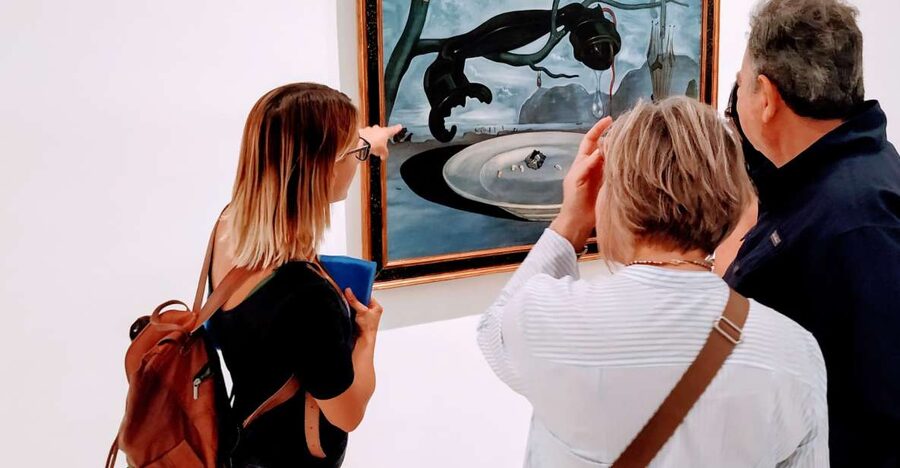
That can be a lot to handle alone. A label may tell you that a work is Surrealist or Cubist, but it does not always explain what that means when you are standing in front of the painting. A good guide gives you a visual key: look at the broken shapes, notice the unusual scale, follow the repeated symbols, or compare the artist’s method with an earlier style.
I like this approach because the tour is not built around naming every important object. It selects representative works and gives you a usable way to understand them. You leave with more than a list of artists. You have a clearer idea of how modern art changed and why those changes mattered in Spain.
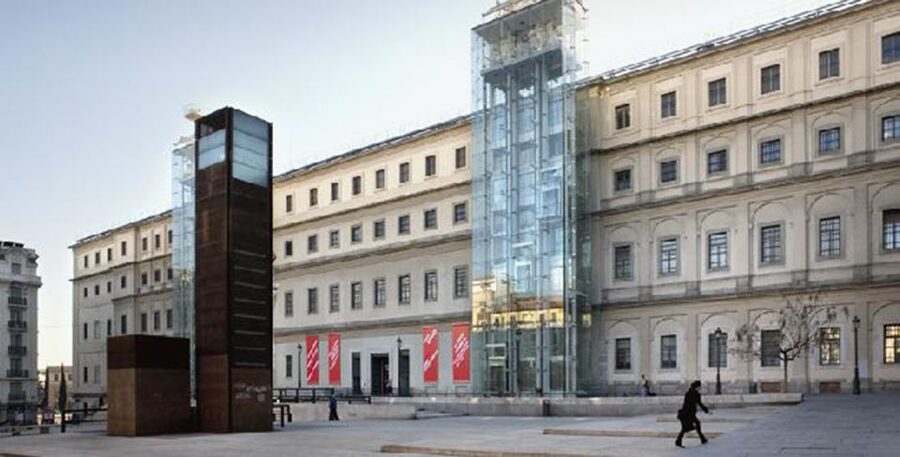
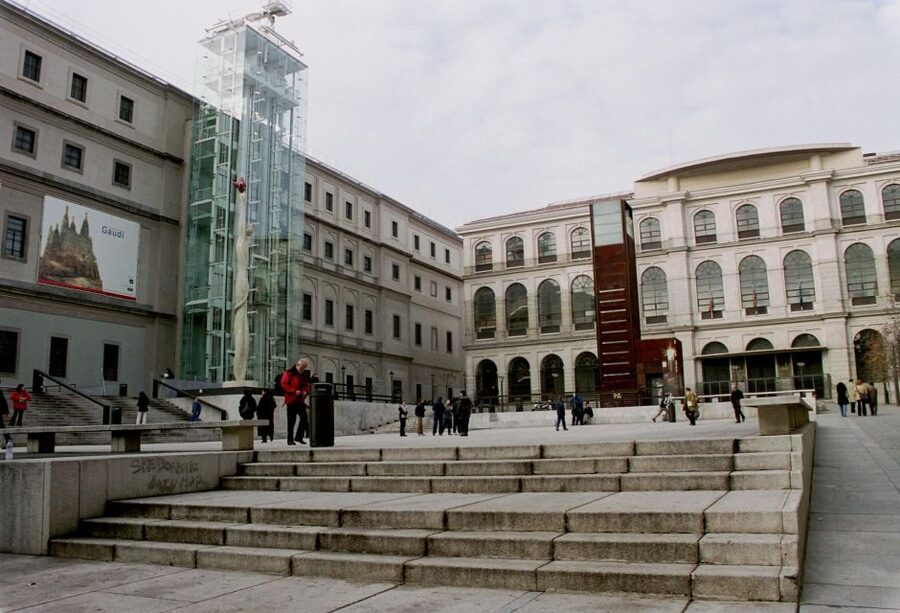
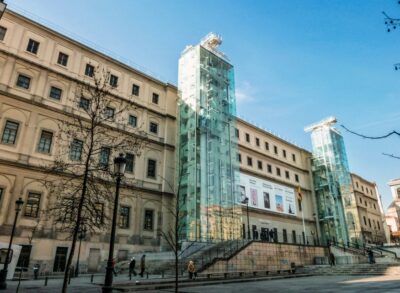
The museum itself adds to the experience. It occupies a former elegant hospital building, with vaulted corridors that give the visit a sense of place before you even reach the galleries. The tour also includes a look at the gardens and the building from outside, a welcome change after standing in exhibition rooms.
More Reina Sofia visits:
- Madrid: Reina Sofía Museum Entrance Ticket
★ 4.5 · 6,889 reviews - Reina Sofia Museum Small Group Tour -6 people maximum-
★ 5.0 · 433 reviews - Madrid: Guided Tour of Reina Sofía Museum with Entry Ticket
★ 4.9 · 363 reviews
Meeting at Calle de Santa Isabel, 52
The listed starting point is at Calle de Santa Isabel, 52, beside the Reina Sofía. Your exact meeting point can vary with the option you book, so check the confirmation details before setting out.
There is no transportation included. That is not much of a problem for a central Madrid museum, but it does mean you need to make your own way there and arrive at the correct entrance. Wear comfortable shoes. You will be walking through galleries and hallways, and the building is large enough that a short museum visit can still put plenty of steps under your feet.
The skip-the-line entry is useful. It removes one small chore from a busy city day and lets the guide get the visit moving. Once inside, the pace depends on the group, the guide, and the language arrangement.
The tour is offered in English and Spanish. It is described as bilingual, with live commentary, and some past groups were divided into separate language groups when a second guide was available. That is worth clarifying at the meeting point if you want the most focused English or Spanish presentation. A simultaneous bilingual tour can take longer at each stop and may make the visit feel less fluid.
Following the story of Cubism and Surrealism
The guided route introduces the movements that shape the Reina Sofía’s collection. You can expect attention to Cubism, Surrealism, abstract art, Dadaism, and modernism, with explanations of both style and subject.
The value is in the comparison. Cubism can seem like a pile of broken planes until someone points out how the artist is showing several viewpoints at once. Surrealism can appear merely odd until you learn how dreams, the unconscious, and unexpected combinations became part of its language. Abstract work may seem remote until the guide explains how color, shape, rhythm, and material can carry meaning without a recognizable scene.
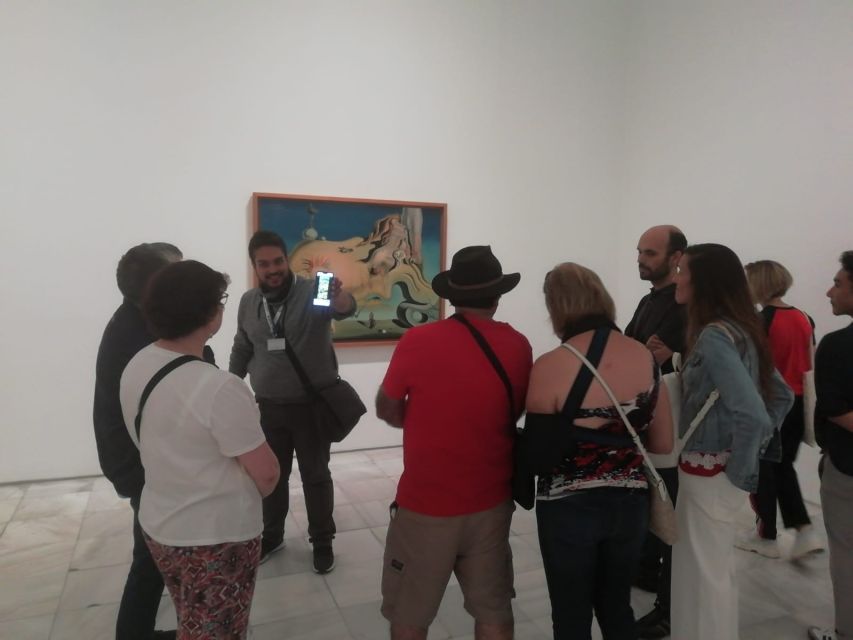
The best guides make these ideas concrete. One past guide used images on an iPad to show different perspectives, while another brought copies of related works from the Prado and other museums. Those touches are not guaranteed, but they show the sort of help that can turn a difficult gallery into an understandable one.
You should expect a highlights tour, not a complete survey. The museum is too extensive to cover properly in 75 minutes. That limitation is also a strength: you see a manageable number of works rather than being dragged through every room until your attention gives out.
Some people prefer to look quietly for a long time. If that is you, the tour may feel brisk. One assessment praised the selection for avoiding overload, while another found the guide moved too fast through individual works. The practical answer is to note the rooms and artists you want to revisit after the tour.
Picasso, Dalí, and Miró in one route
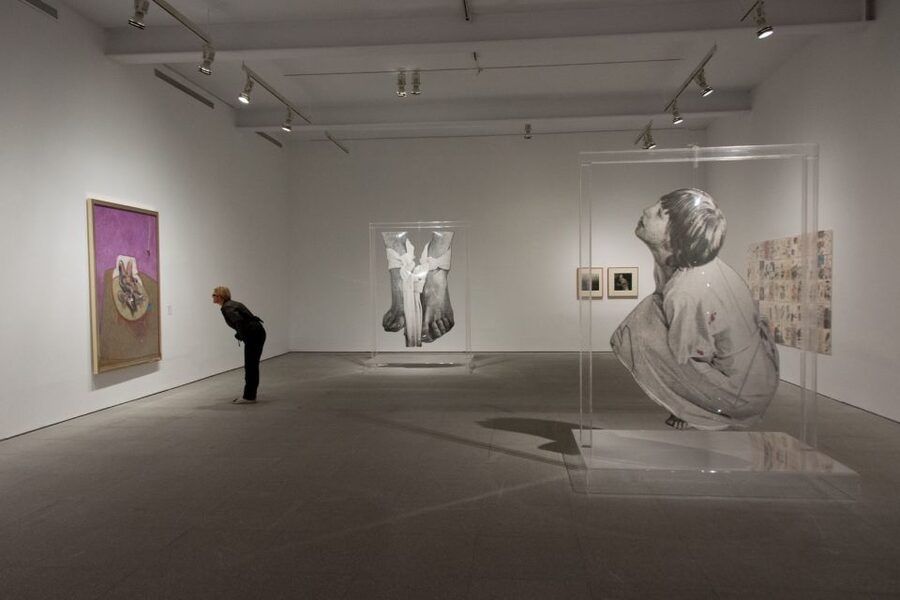
The Reina Sofía’s central appeal is its presentation of Spain’s three great 20th-century artists: Pablo Picasso, Salvador Dalí, and Joan Miró.
Picasso is the unavoidable centerpiece, but the surrounding context matters. His work makes more sense when you can connect it to Cubism, war, political response, and the changing role of the artist. Dalí brings a different route into modern art, with Surrealist imagery and a more dreamlike approach. Miró adds another visual language, often built from simplified forms, signs, and bold relationships between color and space.
The guide’s job is not to tell you that one artist is better than another. It is to help you see how different their choices are. Comparing them in one museum is especially useful if modern art is not your usual subject. You can move from fractured form to dream imagery to simplified symbols without treating each gallery as a separate puzzle.
Several guides have been praised for explaining symbolism and artists’ lives in plain language. That is important here because the works can reward close looking, but they can also leave you cold if you do not know what to examine. A thoughtful guide asks what you notice before supplying an interpretation, which gives you a chance to form your own response.
The bilingual setup deserves another mention. English is included, but make sure you know which group you are joining. Clear audio matters in crowded galleries, and one older assessment noted a crackly microphone. Equipment can change, but staying close to the guide remains good advice.
More museums in Madrid:
- Madrid: Prado Museum Entry Ticket
★ 4.6 · 17,509 reviews - Madrid: Small Group of Prado Museum Tour & Optional Tapas
★ 4.6 · 2,437 reviews - Madrid: Prado Museum Guided Tour with Skip-the-Line Ticket
★ 4.5 · 2,018 reviews - Madrid: Museum of Illusions Ticket
★ 4.1 · 1,909 reviews
Meeting Guernica face to face
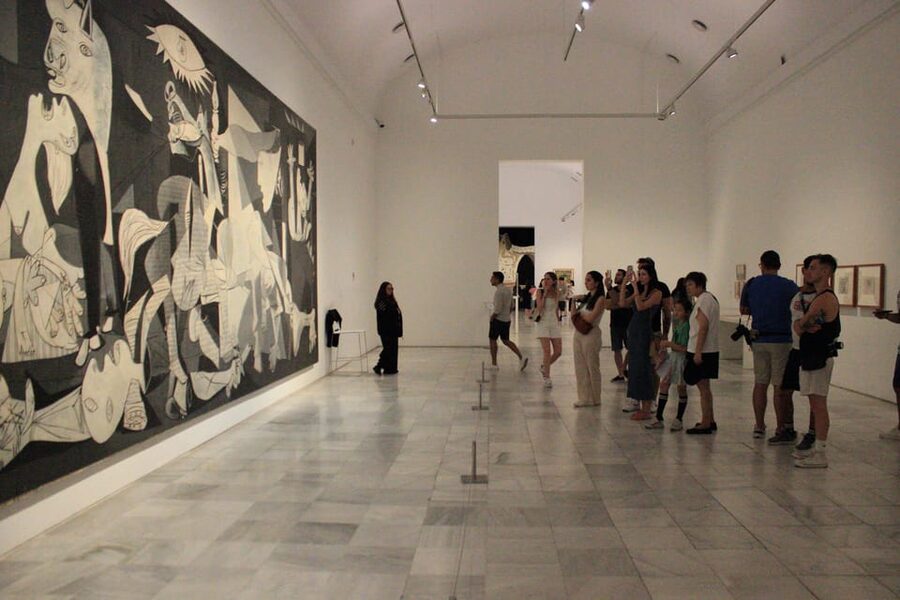
The tour generally builds toward Guernica, Picasso’s mural-sized anti-war painting. The work depicts the suffering caused by the 1937 bombing of the Basque town of Guernica during the Spanish Civil War, and its scale and stark black-and-white treatment give it a force that reproductions cannot match.
The painting is often described as one of the most powerful anti-war works ever made. That reputation can make you arrive with fixed expectations, but the experience still depends on looking carefully. Your guide can point out the figures, gestures, symbols, and repeated shapes, then connect them to Picasso’s choices and the period in which the painting was created.
Many people treat Guernica as the main reason to book this visit, and I understand why. It is an emotional stop, not just an art-history lesson. The tour’s decision to place it near the end also gives the painting a useful frame. By then, you have heard about artistic movements and Picasso’s development, so you can spend less energy asking what kind of painting it is and more time considering what it is trying to say.
The drawback is that Guernica is usually left until last. If this is the only work you care about, you may need patience as the group works through the earlier rooms. I think the buildup is worthwhile, but you should not expect to stand in front of the painting for the full 75 minutes.
Photography rules are strict. Photography is not allowed in some rooms, and where it is allowed, you cannot use flash, selfie sticks, tripods, or other camera stabilization. The supplied information also states that photography inside is not permitted, so follow the guide and museum staff rather than assuming you can take pictures.
The former hospital and the museum gardens
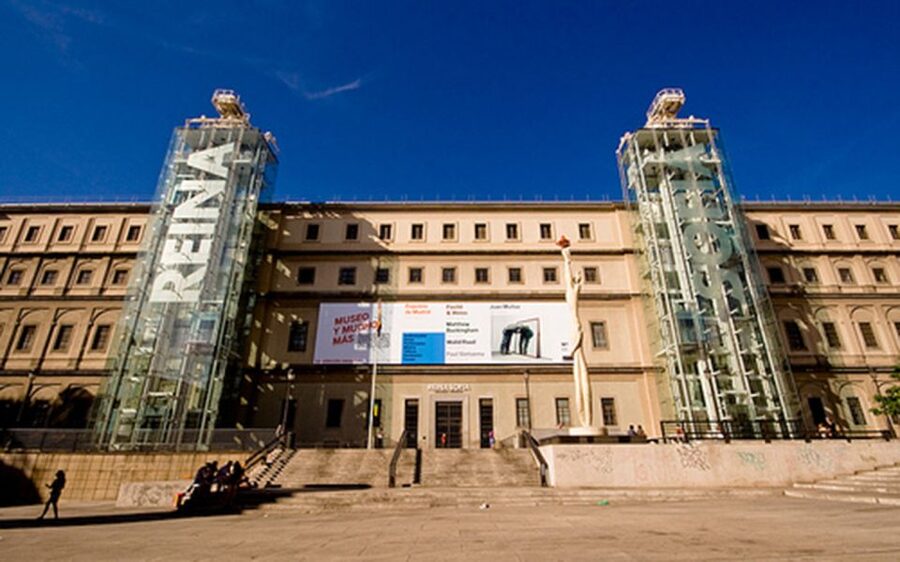
The building is part of the attraction. A former hospital may sound like a minor detail, but the vaulted hallways and old structure give the museum a different feel from a purpose-built modern gallery.
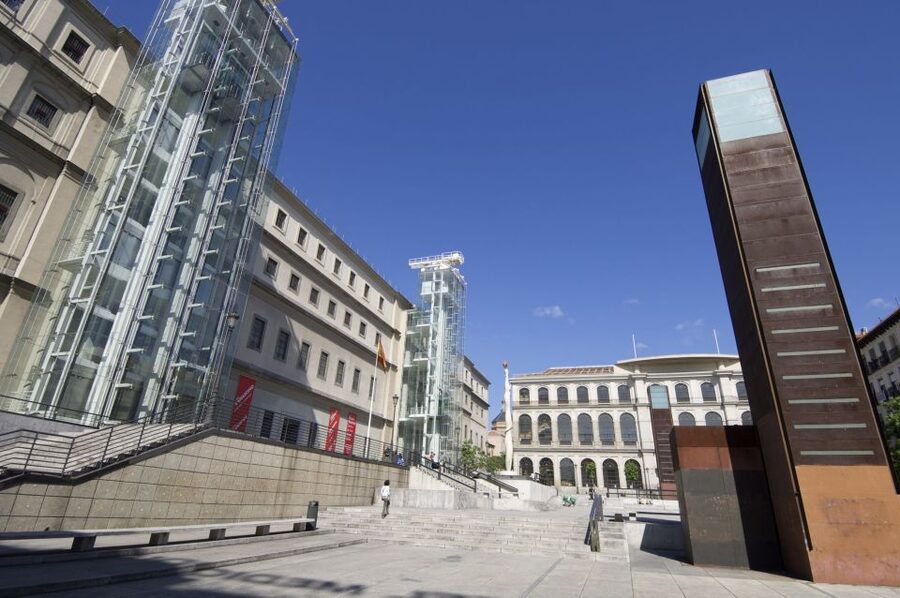
Your route through the halls lets you appreciate that contrast: historic architecture outside, challenging 20th-century art within. The walk in the gardens offers another angle, allowing you to look back at the building rather than seeing it only from inside.
This portion is not a separate sightseeing excursion. It is a short architectural and orientation element within the museum visit. Still, I like having it included because modern art museums can become a blur of white walls and unfamiliar names. A look at the building and gardens breaks up the visual concentration.
What happens after the 75-minute tour
The official guided portion lasts 75 minutes, though one person described a visit that ran to about an hour and a half, while another found the tour slightly shorter than advertised. Treat 75 minutes as the intended duration, with the actual pace depending on the guide and group.
Once the guided visit ends, you are free to remain inside and explore independently. This is one of the strongest practical features of the experience. You can return to Guernica, spend longer with a Dalí or Miró work, or visit galleries the guide did not have time to include.
The Reina Sofía also presents temporary exhibitions by international artists. The exact shows change, so you should check what is on during your visit if that matters to you. Your admission covers entry to the museum, but the supplied details do not specify separate rules for every temporary exhibition.
I suggest planning the rest of your day with some flexibility. If you have only a short time in Madrid, the guided highlights may be enough. If you like modern art or want to study Guernica closely, allow extra time after the tour rather than rushing straight to your next appointment.
Is $38 a fair price?
At $38 per person, the tour costs more than entering a museum alone, but the comparison is not simply admission price versus admission price. You are paying for entry, a professional guide, live commentary, a planned route, and skip-the-line access.
I think the price makes sense if modern art is outside your comfort zone or if you have limited time in Madrid. The museum is large, and wandering without a plan can mean missing the connections between artists and movements. A strong guide can give you a framework in 75 minutes that would take much longer to build from labels and guidebooks.
The value is less certain if you already know the Reina Sofía well, prefer silent looking, or want to spend most of the day with one artist. In that case, independent admission may give you more freedom. You can also feel rushed if the group is large or the bilingual format doubles the commentary.
The reported overall rating is 4.3 from 659 reviews, and the strongest pattern is clear: guides are praised for being friendly, clear, engaging, and well prepared. Names such as Livia, Alex, Paula, Helena, Elena, Nerea, Xavier, Irene, and Ali appear in especially warm feedback. Individual guide quality can vary, but the repeated praise suggests that the human explanation is the main reason this tour earns its price.
Who should book this museum tour?
I would recommend it to first-time visitors to the Reina Sofía, couples who want a focused introduction to modern art, and families who may need help keeping children interested. One guide was singled out for working well with both children and adults, and another used questions to involve the group rather than speaking at it.
It also suits anyone who wants to see Guernica with proper context. The painting can be powerful on its own, but the surrounding explanations help you understand its symbols, its anti-war message, and its place in Spanish art.
You may want to skip the guided option if you need a slow, meditative museum visit or if you dislike commentary in two languages. People using wheelchairs can access the museum, and private groups are available for those who want a more personal format.
Book at least 24 hours ahead if your plans might change, since cancellation is free up to that point. You can also reserve now and pay later, which is useful when you are fitting several Madrid activities into a changing schedule.
My verdict on the Reina Sofía guided tour
I like this tour because it gives the Reina Sofía a clear shape. You move from art movements to artists, from the former hospital’s corridors to Spain’s most famous modern painting, then remain inside to choose your own next step.
The experience is not perfect. The museum is too large for a full visit in 75 minutes, some guides may move quickly, and bilingual commentary can affect the rhythm. But the price includes admission and a focused explanation of works that can be hard to read alone.
Book it if you want context, direction, and Guernica as the final emotional stop. Skip it only if you already have a strong plan for the museum or want complete control over your pace.
FAQ
How long does the Reina Sofía guided tour last?
The stated duration is 75 minutes. Actual timing may vary slightly depending on the guide and group.
What is the tour price?
The price is $38 per person.
Is museum admission included?
Yes. Entrance to the Reina Sofía Museum is included in the activity.
Is a guide included?
Yes. A professional guide leads the visit and provides live commentary.
What languages are available?
The tour is offered in English and Spanish. It is described as bilingual, and some groups may be divided by language when an additional guide is available.
Can I stay in the museum after the tour?
Yes. After the guided visit, you can remain inside and continue exploring independently.
Is transportation included?
No. You must make your own way to the Reina Sofía Museum.
Where does the tour meet?
The listed meeting location is Calle de Santa Isabel, 52, Madrid. The exact meeting point may vary according to the option booked.
Is the museum wheelchair accessible?
Yes. The museum is wheelchair accessible.
What items are not allowed?
Large bags and luggage, selfie sticks, tripods, and flash photography are not allowed. Photography rules vary by room, and photography may be prohibited in some areas.
Can I cancel for a refund?
Yes. You can cancel up to 24 hours in advance for a full refund.
Can I reserve now and pay later?
Yes. The activity offers a reserve-now, pay-later option.
Just added around Madrid
- Private Vacation Photography Session with Photographer in Madrid★ 5.0 · 3 reviews
- Arrival Private Transfer from MAD Airport to Madrid in a Minibus★ 5.0 · 3 reviews
- Segovia: 3-Hour Private Walking Tour★ 5.0 · 3 reviews
- Tour Segovia and La Granja de San Ildefonso from Madrid★ 5.0 · 3 reviews
- Madrid: Prado & Reina Sofia Museum Skip-the-Line Guided Tour★ 5.0 · 3 reviews
- Salamanca: Private Guided Customizable Walking Tour★ 5.0 · 3 reviews
- Total Reboot and Renew with top wellnes 3 hours couple experience★ 5.0 · 3 reviews
- Madrid: Prado Museum Private Tour★ 5.0 · 3 reviews
Reina Sofia Museum Tours, compared.
Reina Sofia Museum Small Group Tour -6 people maximum-
Read our review →
Guided Tour of Reina Sofía Museum with Entry Ticket
Read our review →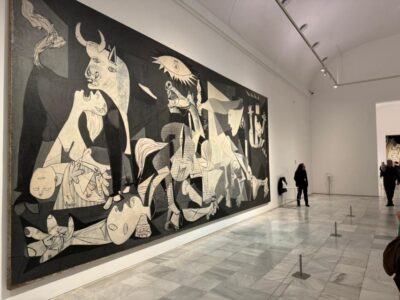
Reina Sofia and Prado Museum Tickets and Guided Tour
Read our review →
Prado Museum with Reina Sofia Museum Guided Tour
Read our review →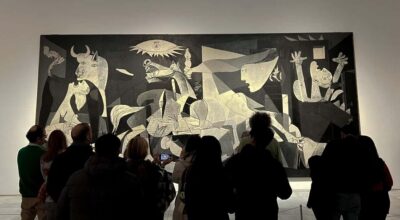
Reina Sofía Guided Tour with Skip-the-Line Tickets
Read our review →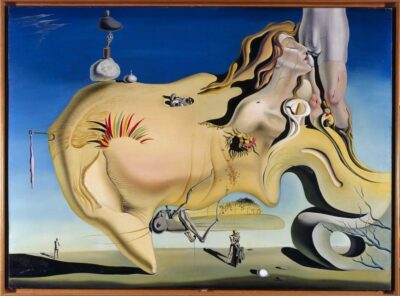
Reina Sofía Museum Ticket with In-App Audio Guide
Read our review →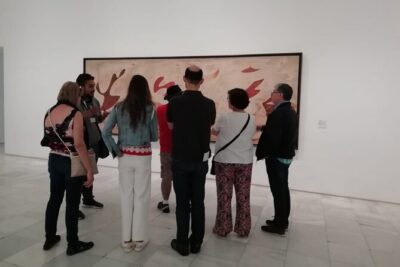
Browse the lists this tour appears in