
Review · MUSEUMS
Mapfre Foundation Madrid – Photography Exhibitions
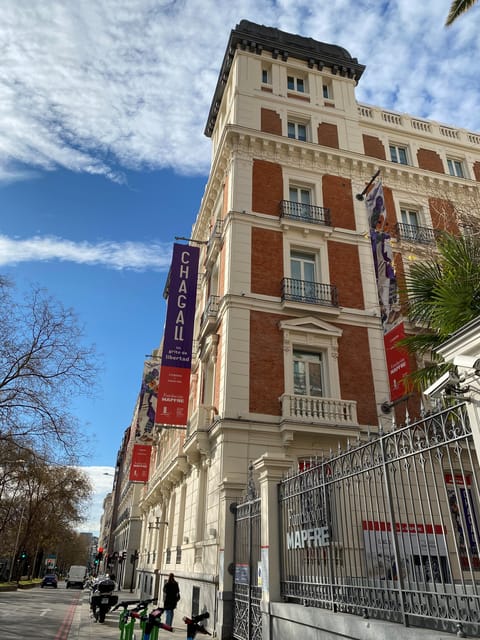
Fundación MAPFRE gives you two very different art experiences under one roof: Anders Zorn’s polished paintings and prints and Helen Levitt’s candid photographs of New York street life. I like the contrast, since you can move from portraits, nudes, and Swedish village scenes to children playing in city neighborhoods.
I also like the free audio guide and the low $5 price, especially if you take time with both exhibitions. The main caution is pricing: check the current admission terms before paying, since one booking in November 2025 recorded a complaint that admission should have been free.
In This Review
- Key points at a glance
- Two exhibitions, two ways of seeing
- Anders Zorn: from watercolors to international fame
- Helen Levitt: New York seen at street level
- Why the Zorn and Levitt pairing works
- Using the audio guide without slowing yourself down
- How long to allow for the visit
- Is the $5 price good value?
- What past exhibitions tell you about the venue
- Accessibility and practical planning
- Who should book Fundación MAPFRE?
- Should you book it?
- FAQ
- Where is Fundación MAPFRE located?
- How much does the experience cost?
- How long is the ticket valid?
- Which exhibitions can I see through May 17, 2026?
- Is an audio guide included?
- Which languages are available for the audio guide?
- Do I need to bring headphones?
- Is the experience wheelchair accessible?
Key points at a glance
- See Anders Zorn through May 17, 2026: Follow the Swedish artist from early watercolors and Parisian Impressionist influence to portraits, nudes, American subjects, and scenes of daily life in Mora.
- Explore nearly 200 Helen Levitt photographs: Nine sections trace her career, from late-1930s New York street scenes to her film-related work.
- Compare two forms of observation: Zorn painted people and places with quick, confident brushwork, while Levitt found poetry in gestures, games, walls, and ordinary city corners.
- Use the free audio guide: It is available in English and Spanish through a QR code, with free Wi-Fi inside the venue.
- Bring headphones: Personal headphones are recommended. Jack-type headphones can also be bought for €1 at the ticket desk, subject to availability.
- Plan for a self-guided art visit: No guide name is provided, and the ticket is valid for one day rather than a timed guided tour.
Two exhibitions, two ways of seeing
Fundación MAPFRE’s current program pairs a major European painter with a pioneering American photographer. That pairing gives your visit a useful rhythm. Anders Zorn asks you to look at technique, color, and the public image of famous people. Helen Levitt asks you to notice small human actions that might otherwise vanish in a busy city.
The exhibitions are temporary and scheduled to run until May 17, 2026. That date matters if you are planning a Madrid visit later in the season. Check the current display schedule before you go, since temporary shows can change after the advertised closing date.
The venue also presents permanent and temporary visual arts, including painting, photography, and sketches. Its broader focus reaches from the late 19th century to the mid-20th century, so the current exhibitions fit well with the institution’s interest in modern art and photography.
A few more Madrid days to weigh up
- Photographic tour of Madrid with a professional photographer
★ 5.0 · 104 reviews - Madrid: Private Photoshoot at the Retiro Park
★ 4.9 · 76 reviews - Photoshoot in Madrid
★ 5.0 · 44 reviews
Anders Zorn: from watercolors to international fame
The Anders Zorn exhibition follows a clear life and career path. Zorn was born in Sweden in 1860 and came from a humble background, yet he became an international portraitist whose clients included kings, presidents, and celebrities.
You begin with his early watercolors, then follow his time in England and his move to Paris. Paris was important to Zorn’s growth, bringing him into contact with Impressionist ideas and helping him gain a wider reputation. His work rewards close looking because the skill is often in the economy of the brushwork. A face, hand, or piece of fabric can feel carefully observed without appearing stiff.
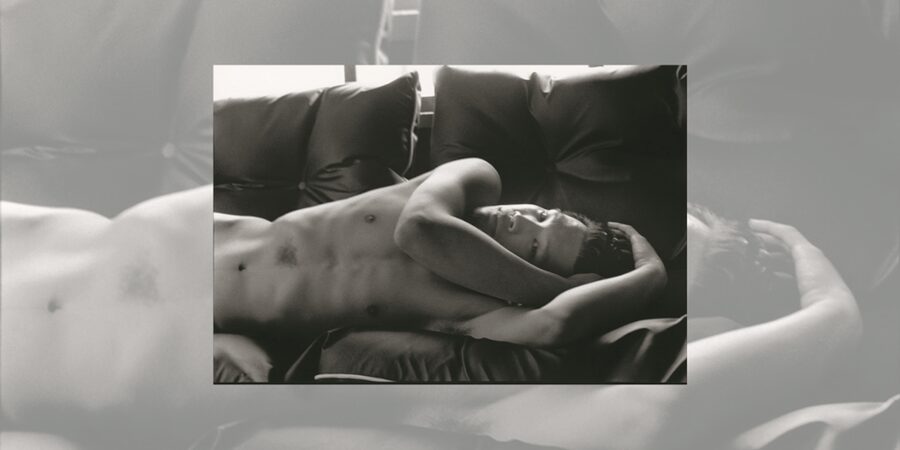
Zorn worked in oil, watercolor, and printmaking. Seeing those different forms together helps you understand that his talent was not limited to one medium. The exhibition also includes his well-known nudes, which may appeal to you if you enjoy the human figure as a study of light, form, and movement rather than simply as a subject.
His international travels are part of the story, including time in the United States. These journeys brought new subjects and settings, while his return to Mora shifted his attention toward Swedish daily life. That change is one of the most interesting parts of the display. The painter who had gained fame among powerful people also wanted to record familiar scenes from home.
Look for the Spanish works and the connection with Joaquín Sorolla. The relationship between Zorn and Sorolla gives the exhibition a local point of contact for a Madrid audience. It also lets you compare two artists who were drawn to bright light, lively brushwork, and people caught in natural moments.
Zorn’s Midnight, from 1891, is among the works highlighted in the exhibition material. Even if you do not know his art beforehand, that title gives you a sense of the show’s interest in atmosphere as well as portraiture and biography.
Helen Levitt: New York seen at street level
Helen Levitt’s exhibition offers a sharp change of pace. Born in 1913, she photographed New York for more than seven decades, focusing on children at play, working-class neighborhoods, everyday gestures, and the strange little scenes that appear when people are not posing for a camera.
Nearly 200 works are arranged across nine sections. That size gives you enough room to follow her development rather than seeing only a handful of famous images. You can trace her early photography and then see how her interests expanded into film and cinematic work.
Levitt’s photographs often depend on timing. A chalk drawing, a child’s expression, a person leaning against a wall, or a group caught mid-game can turn an ordinary street into a small story. You do not need a background in photography to connect with these images. The subjects are familiar, but Levitt’s eye makes you pause.
Her work also has a social purpose. She concentrated on working-class parts of New York and treated ordinary people as worthy of close attention. That does not mean every picture is solemn or documentary in a narrow sense. Many are playful, funny, awkward, or mysterious. The balance between social observation and personal poetry is what makes the exhibition distinctive.
The display includes New York, from around 1940. It belongs to the early period when Levitt was developing her street photography. As you look through the sections, pay attention to how her approach changes from direct observation to more cinematic ways of arranging movement, space, and mood.
I would give Levitt’s photographs time rather than rushing past them. A large exhibition can tempt you to treat each image as a quick stop. Instead, choose a few photographs that hold your attention and study the edges of the frame. Levitt often places meaning in what is happening just outside the obvious subject.
Why the Zorn and Levitt pairing works
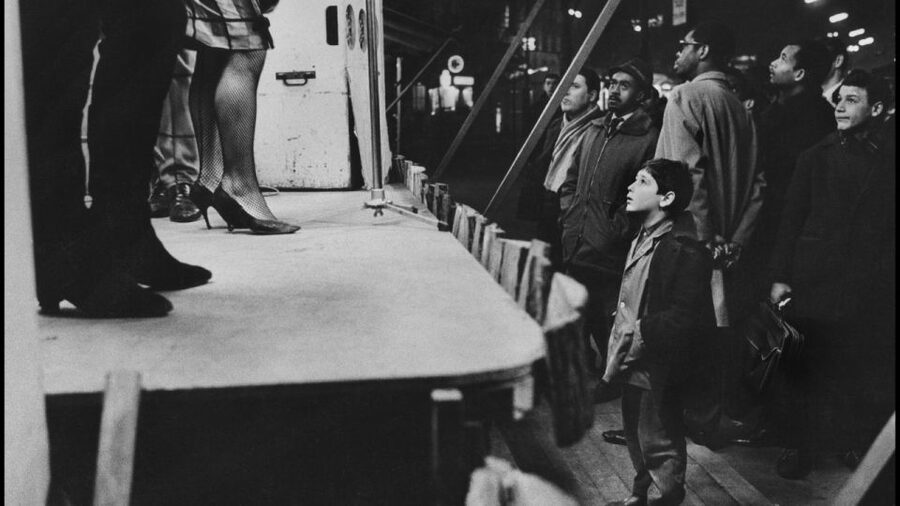
The two exhibitions are not connected by one shared story, but the contrast is useful. Zorn often presents people through portraiture, artistic control, and social status. Levitt finds people in unplanned situations, with no formal pose and little concern for public image.
Zorn’s subjects may be famous or carefully arranged. Levitt’s subjects are often anonymous. One artist travels widely and builds a European reputation, while the other returns again and again to New York streets. Together, they show two ways an artist can study human life: through deliberate portrait-making and through alert observation.
I like this format for a short Madrid art stop because the exhibitions keep one another from feeling repetitive. If you prefer traditional painting, Zorn gives you oil, watercolor, prints, portraits, and figure studies. If you prefer photography, Levitt provides a large body of work with a clear social and cinematic thread.
The pairing also suits people who are unsure how much modern art they want to handle. Neither exhibition requires you to understand a complicated theory before you can respond to it. You can start with faces, light, movement, and familiar places, then read the audio guide for added context.
More museums in Madrid:
- Madrid: Prado Museum Entry Ticket
★ 4.6 · 17,509 reviews - Madrid: Reina Sofía Museum Entrance Ticket
★ 4.5 · 6,889 reviews - Madrid: Small Group of Prado Museum Tour & Optional Tapas
★ 4.6 · 2,437 reviews - Madrid: Prado Museum Guided Tour with Skip-the-Line Ticket
★ 4.5 · 2,018 reviews
Using the audio guide without slowing yourself down
The standard ticket includes a free audio guide in English and Spanish. You access it by scanning a QR code in the room, so you need a mobile device with an active internet connection.
If your phone does not have mobile data, free Wi-Fi is available inside the space. That makes the guide practical for international visitors who do not want to use roaming data. Still, connect before you settle into the galleries and make sure your phone has enough battery for the visit.
You need headphones so the commentary does not disturb other people. Bringing your own is the simplest option. Jack-type headphones can be purchased for €1 at the ticket counter, but availability may vary and you could need to wait.
I would use the audio guide selectively rather than listening to every track. Start with the introduction to each exhibition, then choose works that interest you. With almost 200 Levitt photographs and a broad Zorn presentation, listening to everything may turn a pleasant visit into a screen-focused exercise.
There is no named personal guide included in the information provided. Treat this as a self-guided museum visit, with the audio commentary available when you want more background.
How long to allow for the visit
The experience is sold as valid for one day, and the listed duration is one day rather than a short timed tour. That gives you flexibility, but it does not mean you must spend an entire day inside the galleries.
Your ideal visit depends on your pace. A quick look at both exhibitions could fit into a shorter art stop, while a careful visit with audio commentary, notes, and time to compare works will take longer. The important point is that you are not being moved through the building by a group schedule.
If you have limited time in Madrid, focus on one exhibition first. Choose Zorn if you want painting, printmaking, portraiture, nudes, and the relationship between Sweden, Paris, the United States, and Spain. Choose Levitt if you prefer candid photography, New York history, children at play, and film-related work.
If you have more time, see both in one visit. The change from Zorn’s studio-based art to Levitt’s street photography gives the day a natural break.
Is the $5 price good value?
At $5 per person, the admission is inexpensive for access to two major temporary exhibitions and an audio guide in two languages. I consider that good value if both shows are open and you plan to spend enough time with them.
The price is especially fair for anyone who enjoys photography. A collection of nearly 200 Helen Levitt works can give you a serious look at her career, rather than a token display. Zorn’s range across oil, watercolor, prints, portraits, and nudes adds another full subject.
There is one reason to verify the price before committing. A booking dated November 3, 2025 recorded a complaint that the entrance had been charged even though admission was considered free. That may reflect a change in admission rules, a different ticket type, or a misunderstanding, but it is enough reason to confirm the current terms at the official ticket desk or booking page.
The $5 ticket includes the audio guide, but headphones are not included. Bring your own to avoid the possible €1 purchase and any wait at the counter.
What past exhibitions tell you about the venue
The current program is the reason to go, but the venue has also presented art beyond these two exhibitions. A previous exhibition of Leonora Carrington received strong praise for its organization and lighting, and the work was described as feeling like many paintings in one. One comparison linked parts of Carrington’s imagery to Bosch’s Garden of Earthly Delights.
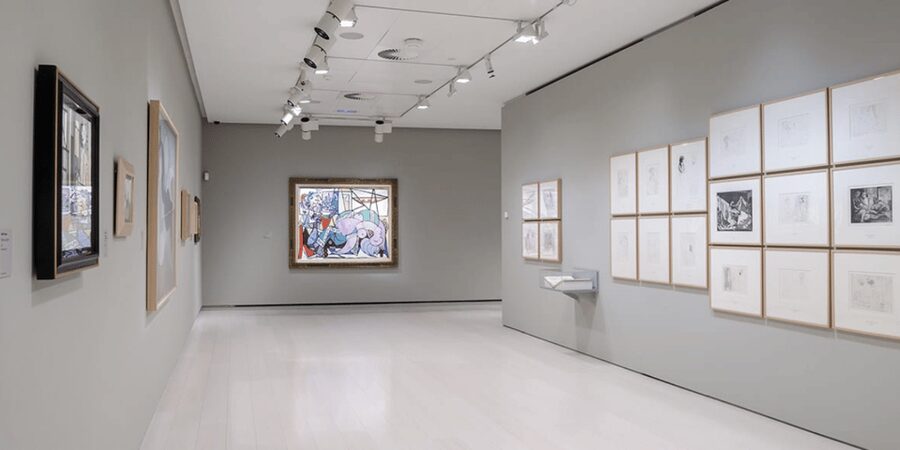
That earlier response is useful context because it points to the value of the exhibition design, not only the individual artists. Good lighting and clear organization matter in a photography show, where glare and spacing can change how well you see an image. They matter in painting too, especially with works that use subtle color or dark interiors.
You should not expect the Carrington exhibition during the current Zorn and Levitt program. It is simply a reminder that Fundación MAPFRE’s art schedule changes and that the venue may appeal to you beyond one visit.
Accessibility and practical planning
The experience is wheelchair accessible. That makes it a reasonable choice if you need step-free access, though the information provided does not give further details about seating, restroom design, or gallery routes.
At arrival, exchange your voucher at the ticket desk. The audio guide uses your own phone, so bring headphones and make sure your device can connect to the internet. Free Wi-Fi is available if needed.
The experience is offered in English and Spanish for the audio guide. That is important if you want context without relying on printed material or a separate guided tour.
Cancellation is flexible, with a full refund available when you cancel at least 24 hours in advance. You can also reserve and pay later, which helps if your Madrid schedule is still changing.
Who should book Fundación MAPFRE?
I would recommend this visit to you if you enjoy art museums but prefer a clear subject over a huge general collection. The two exhibitions offer enough variety for a serious art afternoon without asking you to cross an entire museum complex.
Photography fans should make Helen Levitt the main reason to go. Her attention to children, gestures, street scenes, and working-class neighborhoods gives you a personal record of New York life. The nine-section layout and nearly 200 works make it possible to see how her ideas developed.
Painting fans should not skip Zorn. His path from watercolors to international portraiture, his time in Paris, his American travels, his Swedish subjects, and his link to Sorolla give you several ways into the exhibition.
I would be more cautious if you want a live guide, a tightly timed tour, or an attraction with a long list of interactive activities. This is a quiet, self-guided art experience. The audio guide helps, but you still set your own pace and make your own way through the rooms.
Should you book it?
Book it if the current $5 admission is confirmed and you like the idea of comparing a celebrated Swedish painter with a poetic New York photographer. The free English or Spanish audio guide makes the visit easier for international visitors, and the two exhibitions offer a strong mix of painting, prints, photography, social observation, and artistic technique.
Before booking, confirm that both exhibitions are still running through May 17, 2026 and check whether the venue currently charges the listed admission. Bring headphones, allow enough time to look beyond the best-known works, and use the audio guide only where it adds something.
For a low-cost Madrid art stop, Fundación MAPFRE is a sensible choice, especially for visitors who want serious photography and modern European painting without committing to an all-day museum marathon.
FAQ
Where is Fundación MAPFRE located?
It is in the Community of Madrid, Spain.
How much does the experience cost?
The listed price is $5 per person. Check the current admission terms before paying, since admission conditions may change.
How long is the ticket valid?
The ticket is valid for one day. You should check availability for current starting times.
Which exhibitions can I see through May 17, 2026?
You can see Anders Zorn: Traveling the World, Remembering the Land and Helen Levitt.
Is an audio guide included?
Yes. The standard ticket includes a free audio guide accessed through a QR code in the exhibition rooms.
Which languages are available for the audio guide?
The audio guide is available in English and Spanish.
Do I need to bring headphones?
Yes. Headphones are required. You can bring your own, or buy jack-type headphones for €1 at the ticket counter if available.
Is the experience wheelchair accessible?
Yes, the experience is wheelchair accessible.
Just added around Madrid
- Arrival Private Transfer from MAD Airport to Madrid in a Minibus★ 5.0 · 3 reviews
- Private Vacation Photography Session with Photographer in Madrid★ 5.0 · 3 reviews
- Segovia: 3-Hour Private Walking Tour★ 5.0 · 3 reviews
- Tour Segovia and La Granja de San Ildefonso from Madrid★ 5.0 · 3 reviews
- Madrid: Prado & Reina Sofia Museum Skip-the-Line Guided Tour★ 5.0 · 3 reviews
- Salamanca: Private Guided Customizable Walking Tour★ 5.0 · 3 reviews
- Total Reboot and Renew with top wellnes 3 hours couple experience★ 5.0 · 3 reviews
- Madrid: Prado Museum Private Tour★ 5.0 · 3 reviews
Museums, compared.

Small Group of Prado Museum Tour & Optional Tapas
Read our review →
Prado Museum Guided Tour with Skip-the-Line Ticket
Read our review →

Prado Museum Small Group Tour with Skip the Line Ticket
Read our review →
Royal Palace & Prado Museum Skip the Line Guided Tour
Read our review →Browse the lists this tour appears in