
Review · MUSEUMS
National Archaeological Museum: Skip the Line Tickets and Private Guided Tour
The best part of this tour is the way it turns a large museum into a readable story. Instead of leaving you alone with hundreds of objects, your guide connects Roman mosaics, Visigothic treasures, and Al-Andalus to the people, faiths, wars, and artistic ideas behind them. In two hours, you move from prehistoric Spain toward the medieval world without getting lost in labels.
I like the private format, since your group can ask questions and set the pace. I also like the guides’ human touch: Leticia is described as fun and willing to spend extra time answering questions, while Jorje is praised for patience, humor, and clear explanations. The main drawback is the price, $137.01 per person, which is a serious outlay for a two-hour museum visit, especially if you are comfortable exploring museums alone.
In This Review
- Key points at a glance
- A two-hour walk through Spain’s changing identity
- Roman mosaics and the practical value of a guide
- Visigothic treasures and the move into medieval Spain
- Al-Andalus and the many layers of Spain
- Weapons, jewelry, sculptures, and manuscripts
- Why the private format changes the museum visit
- Timing, meeting point, and the museum day
- The skip-the-line promise and what to check
- Cancellation and who gets the best value
- Should you book this museum tour?
- FAQ
- How long does the National Archaeological Museum tour last?
- Is museum admission included?
- Is this a private tour?
- What language is the tour offered in?
- When is the museum open for this experience?
- Is hotel pickup included?
Key points at a glance
- A private English-language visit: Only your group participates, so the guide can respond to your interests.
- A clear route through Spanish history: The visit runs from prehistory to medieval times, with major stops tied to political and religious change.
- Important objects in one compact tour: Expect Roman mosaics, Visigothic pieces, Al-Andalus remains, weapons, jewelry, sculptures, and manuscripts.
- Two hours is the right length: Long enough for context and questions, but short enough to fit into a busy Madrid day.
- Admission is included: You do not pay a separate museum entrance fee for the tour.
- Plan your arrival carefully: Hotel pickup and return are not included, and the museum is open Tuesday through Sunday from 10 a.m. to 7 p.m.
A two-hour walk through Spain’s changing identity
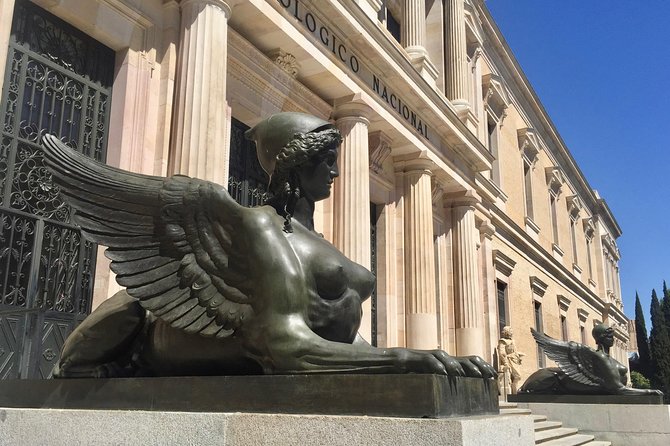
The National Archaeological Museum gives you a broad view of Spain rather than a narrow look at one dynasty or excavation. The tour moves through a long span of time, described as following a thousand-year-old river, from the earliest periods of human settlement to the medieval age.
That broad sweep is useful because Spain’s past is not one straight line. It is shaped by conquest, migration, belief, trade, and changing artistic tastes. A Roman object does not simply sit beside a Visigothic one as decoration. The guide helps explain how one period gave way to another, and how political and religious shifts affected what people made and valued.
You should expect the tour to focus on the museum’s major works rather than every room. That is a benefit if this is your first visit or if your Madrid schedule is tight. Two hours gives you a strong introduction, but it is not enough for a detailed look at every collection.
More museums in Madrid:
- Madrid: Prado Museum Entry Ticket
★ 4.6 · 17,509 reviews - Madrid: Reina Sofía Museum Entrance Ticket
★ 4.5 · 6,889 reviews - Madrid: Small Group of Prado Museum Tour & Optional Tapas
★ 4.6 · 2,437 reviews
Roman mosaics and the practical value of a guide
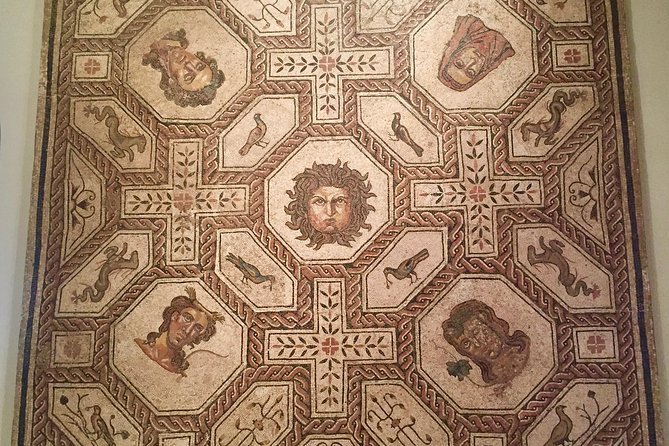
Roman mosaics are among the central pieces on the route. On your own, you can admire the patterns, colors, and technical skill. With a guide, you get a better sense of what the images and materials meant in their original setting, as well as how Roman power shaped the Iberian Peninsula.
The guide’s role matters most when an object needs context. A mosaic can be beautiful at a glance, but its real interest grows when you understand who commissioned it, what it communicated, and how it fits into Roman society. The same goes for the ancient weapons and jewelry included in the visit. These pieces can tell you about status, conflict, craftsmanship, and daily life.
I would choose this tour if you often find archaeology displays hard to read. It is easy to look at an ancient object and move on after five seconds. A good explanation gives you a reason to pause. Leticia, one of the named guides associated with this experience, is noted for answering questions and spending extra time with her group, which is especially useful if you want more than a quick list of dates.
Visigothic treasures and the move into medieval Spain
The Visigothic material provides an important bridge between Roman Spain and the medieval period. The tour includes Visigothic treasures, and the guide places them within the political, religious, and artistic changes of the time.
This section should appeal to you if you prefer objects with a strong sense of power and ceremony. Fine metalwork and jewelry are not only attractive. They can show rank, belief, wealth, and the reach of a ruling class. The guide’s explanation helps you see these pieces as evidence of a society rather than isolated works of art.
The pace is another advantage here. In a private visit, you can stop when a piece catches your attention and ask for clarification. You are not tied to a large group’s questions or forced to keep moving because someone else is waiting. That flexibility is one of the clearest reasons to consider the higher cost.
Still, private does not mean unlimited time. The tour lasts about two hours, and the museum covers a large span of time. If Visigothic Spain is your main interest, tell your guide at the start and use your questions wisely. The supplied details do not promise a specialist tour focused only on this period, so you should expect a broad survey.
Al-Andalus and the many layers of Spain
The tour also includes remains of Al-Andalus, bringing another major chapter of Spanish history into the visit. This is an important part of the route because it shows that medieval Spain was shaped by more than one political and cultural tradition.
Your guide links objects to religion, government, and art rather than presenting them as simple markers on a timeline. That approach can help you understand how different communities and ruling powers contributed to Spain’s development. The visit is at its best when the guide makes those connections clear without turning the museum into a lecture.
Jorje is another named guide connected with the experience. He is praised for being patient, funny, and well informed. Those qualities matter in a museum, where a dry explanation can drain the energy from even an important object. A little humor can keep a two-hour visit moving, while patience gives you room to ask questions without feeling rushed.
You should not expect a full treatment of every aspect of Al-Andalus in a short tour. The museum visit gives you an introduction within a wider Spanish story. If you want a very focused study of medieval Islamic Spain, you may need more time elsewhere. If you want to understand how that period fits into the broader sequence of Spanish history, this format makes sense.
A few more Madrid days to weigh up
- Madrid: Royal Palace Expert Guided Tour with Skip-the-Line
★ 4.7 · 6,986 reviews - Madrid: Royal Palace Skip-the-line Guided Tour
★ 4.9 · 3,146 reviews - Madrid: Royal Palace Skip-the-Line Guided Tour
★ 4.5 · 2,140 reviews - Madrid: Prado Museum Guided Tour with Skip-the-Line Ticket
★ 4.5 · 2,018 reviews
Weapons, jewelry, sculptures, and manuscripts
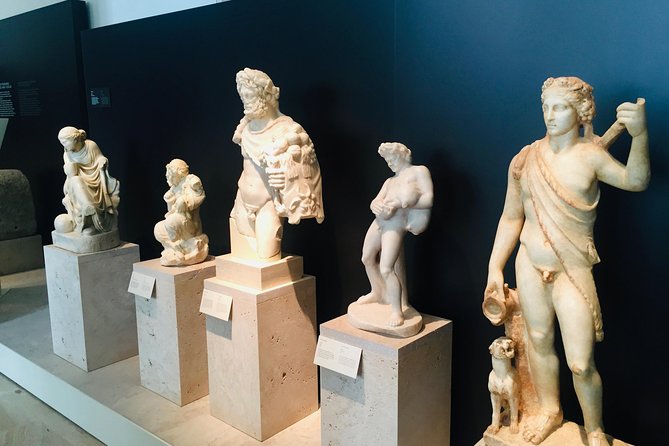
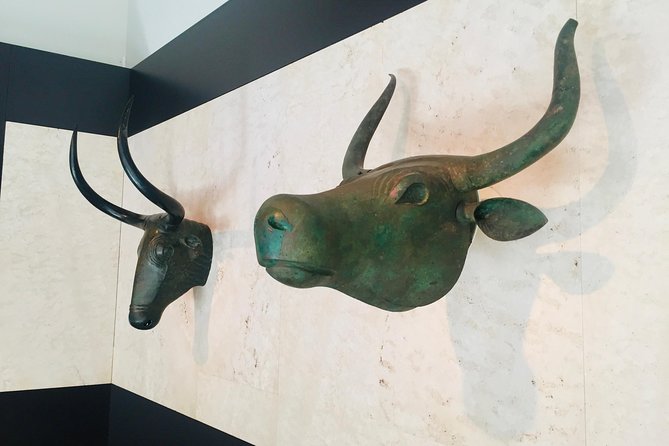
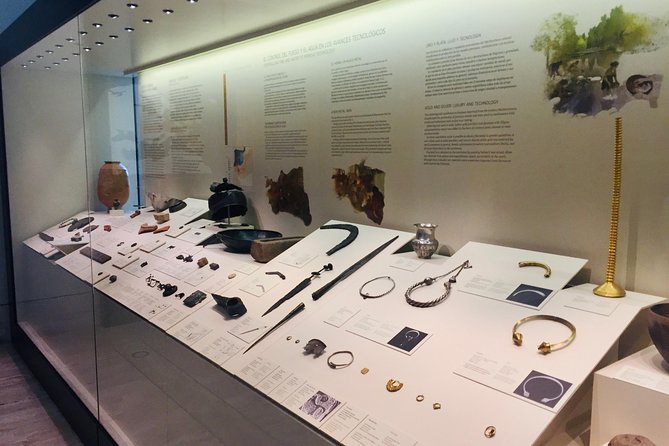
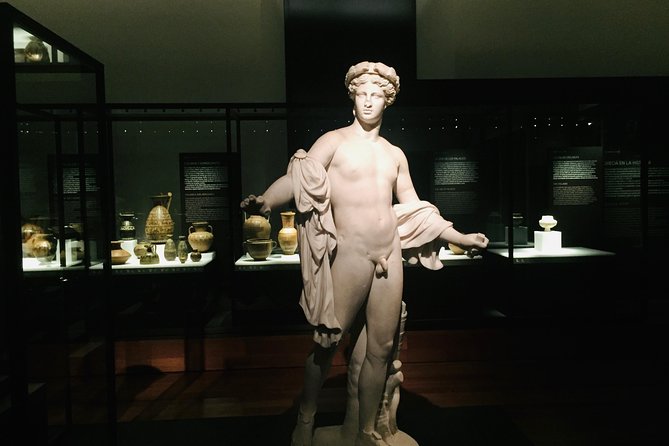
The tour is not limited to one type of object. Along the way, you see ancient weapons, fine jewelry, monumental sculptures, and precious manuscripts. That range keeps the visit from feeling like a long run of similar display cases.
Weapons can reveal how people fought and how rulers displayed authority. Jewelry can point to personal wealth, social rank, and technical skill. Large sculptures give you a sense of public or religious art, while manuscripts show the value placed on written knowledge and careful production.
These objects also make the museum suitable for mixed interests. You may care about military history while someone in your group prefers art or religion. Because the tour is private, you can ask the guide to give more attention to the subjects that hold your group’s interest, within the fixed two-hour schedule.
The experience is designed around major pieces, so you should not expect a slow reading of every label. That is not a flaw if you see this as a first visit. It becomes a limitation only if you already know the museum well and want a highly specialized examination of lesser-known objects.
Why the private format changes the museum visit
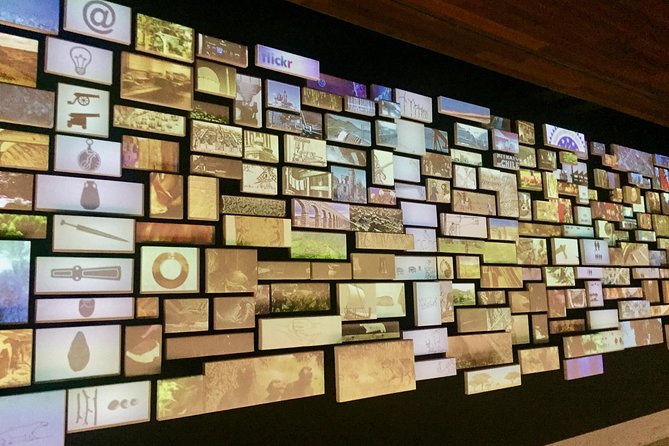
This is a private activity, and only your group participates. That is more than a marketing detail. It changes the rhythm of the visit, especially in a museum where some people want dates and political context while others want to know how an object was made.
You can ask a basic question without worrying about slowing down strangers. You can also ask for a little more time at a favorite piece. The named guide feedback supports this benefit: Leticia is described as spending extra time on explanations, and Jorje is praised for patience and humor.
The private format is best for families, couples, friends, or small groups with different levels of interest. It also suits anyone who wants a guided introduction but does not enjoy large group tours. The tradeoff is cost. At $137.01 per person, the value improves when several people in your party will actively use the guide’s time and ask questions.
Group discounts are listed as a feature, but the exact discount is not provided. Check the price for your party before booking rather than assuming the per-person figure will change substantially. Admission to the National Archaeological Museum is included, which helps, but you are still paying mainly for the private guiding service and the convenience of a structured visit.
Timing, meeting point, and the museum day
The visit lasts approximately two hours. That makes it easy to place before lunch, after another morning activity, or ahead of an evening plan. You should allow extra time around the tour for reaching the meeting point and getting settled, since hotel pickup and return are not included.
The museum is open Tuesday through Sunday from 10 a.m. to 7 p.m. The supplied schedule covers May 16, 2019 through February 21, 2027, so check the operating details for your selected date when booking. Monday is not listed among the opening days.
The tour is offered in English and comes with a mobile ticket. Confirmation is normally sent at booking. If you book within one day of the visit, confirmation is sent as soon as possible and remains subject to availability. For a smooth day, I would avoid leaving a last-minute booking until the final hours if your Madrid plans are fixed.
The experience is near public transportation, and most people can participate. Since no hotel transfer is included, public transport or a taxi is your responsibility. The meeting point details should be checked carefully in your booking confirmation.
The skip-the-line promise and what to check
The experience is sold as a skip-the-line ticket and private guided tour, with museum admission included. That can be valuable during a busy museum period, since you spend more of your limited sightseeing time with the collection rather than dealing with entrance arrangements.
However, one serious warning deserves attention. A customer arrived to find the museum closed and was turned away, while the operator responded that its customer service had not received any report of the problem. This is an isolated account within the supplied material, but it is still a practical reason to confirm your date and meeting details shortly before you go.
Do not assume that a ticket guarantees the building will be open under every circumstance. Recheck the tour confirmation, the museum hours, and any messages from the operator. If you run into a problem, contact the booking platform and the provider promptly rather than waiting until after your Madrid stay.
Cancellation and who gets the best value
You can cancel for a full refund up to 24 hours before the experience start time. Cancellations or changes made less than 24 hours before the start are not refunded or accepted, and the cut-off uses Madrid local time. The activity also requires a minimum number of participants. If that minimum is not reached and the experience is canceled, you are offered another date or experience, or a full refund.
At $137.01 per person, this is not a budget museum ticket. The price makes the most sense if you value private attention, want historical context, and would otherwise hire a guide or struggle to make sense of a large collection on your own.
I would be more cautious if you already have strong knowledge of Spanish archaeology or prefer to spend half a day reading every display. In that case, the fixed two-hour route may feel too brisk. The tour is also less attractive for a solo visitor who is comfortable exploring independently and wants to keep costs low.
Should you book this museum tour?
Book it if you want a clear, guided introduction to Spain from prehistory through the medieval period, especially if your group enjoys asking questions. The combination of Roman mosaics, Visigothic treasures, Al-Andalus remains, weapons, jewelry, sculptures, and manuscripts gives you a useful first look at the country’s past.
I would give extra weight to the private format and the individual guides. Leticia’s extra time with questions and Jorje’s patience and humor are exactly the qualities that can make a museum visit feel personal rather than routine. Just weigh that benefit against the $137.01 price, confirm the opening details, and remember that transport is not included.
If you want a short, structured visit with an English-speaking guide, this is a sensible choice. If you want the lowest-cost entrance or a specialist study of one period, visit independently or seek a more focused tour.
FAQ
How long does the National Archaeological Museum tour last?
The tour lasts approximately two hours.
Is museum admission included?
Yes. Entrance to Madrid’s National Archaeological Museum is included in the experience.
Is this a private tour?
Yes. Only your group participates in the activity.
What language is the tour offered in?
The tour is offered in English.
When is the museum open for this experience?
The listed opening hours are Tuesday through Sunday, from 10 a.m. to 7 p.m.
Is hotel pickup included?
No. Hotel pickup and return are not included.
Just added around Madrid
- Private Vacation Photography Session with Photographer in Madrid★ 5.0 · 3 reviews
- Arrival Private Transfer from MAD Airport to Madrid in a Minibus★ 5.0 · 3 reviews
- Segovia: 3-Hour Private Walking Tour★ 5.0 · 3 reviews
- Tour Segovia and La Granja de San Ildefonso from Madrid★ 5.0 · 3 reviews
- Madrid: Prado & Reina Sofia Museum Skip-the-Line Guided Tour★ 5.0 · 3 reviews
- Salamanca: Private Guided Customizable Walking Tour★ 5.0 · 3 reviews
- Total Reboot and Renew with top wellnes 3 hours couple experience★ 5.0 · 3 reviews
- Madrid: Prado Museum Private Tour★ 5.0 · 3 reviews
Museums, compared.

Small Group of Prado Museum Tour & Optional Tapas
Read our review →
Prado Museum Guided Tour with Skip-the-Line Ticket
Read our review →

Prado Museum Small Group Tour with Skip the Line Ticket
Read our review →
Royal Palace & Prado Museum Skip the Line Guided Tour
Read our review →Browse the lists this tour appears in