
Review · MUSEUMS
Ticket Entrance to the Madrid Nougat Museum
The most interesting part of Madrid’s Nougat Museum is that it treats turrón as more than a Christmas sweet. You’ll follow the almond from flowering tree to finished bar, then see how Jijona built its economy around this traditional product. The visit is short, focused, and topped with a tasting.
I like the clear link between food and local industry, and I like that the museum includes details many sweet shops skip, such as the evolution of turronero clothing since the 18th century. At $5, it is an easy add-on if you are already near Casa 1880.
The main caution is that the museum may feel modest for visitors expecting a working factory or a large, highly interactive exhibition. The material is in Spanish, and one reported visit involved an hour-long wait when the presentation was not ready.
In This Review
- Key points to know before you go
- What the $5 entrance really buys you
- Starting at Casa 1880’s shop
- Following the almond from blossom to nougat
- Why Jijona matters to the story
- The Christmas tradition behind turrón
- Turronero clothing and the human side of selling
- The tasting: what you may sample
- Language, guiding, and timing concerns
- Who will enjoy this Madrid food stop
- Booking details that affect your day
- Should you book the Madrid Nougat Museum?
- FAQ
- Where is the Madrid Nougat Museum located?
- How much does admission cost?
- How long is the ticket valid?
- What does the ticket include?
- What products are included in the tasting?
- Is the visit available in English?
- Can I cancel the booking?
Key points to know before you go
- Madrid’s first Nougat Museum: The museum presents the story of a sweet closely tied to Spanish Christmas.
- Almonds take center stage: Panels explain flowering, harvesting, and the route from almond to nougat.
- Jijona gets the spotlight: You’ll learn about the town’s technology, economy, and Designation of Origin.
- Historic turronero clothing: The display follows traditional nougat sellers’ clothing from the 18th century onward.
- Tasting comes at the end: Samples can include Jijona, egg yolk, and chocolate nougats, marzipan, and polvorones.
- Spanish-language visit: The host or greeter speaks Spanish, so translation help may be useful.
What the $5 entrance really buys you
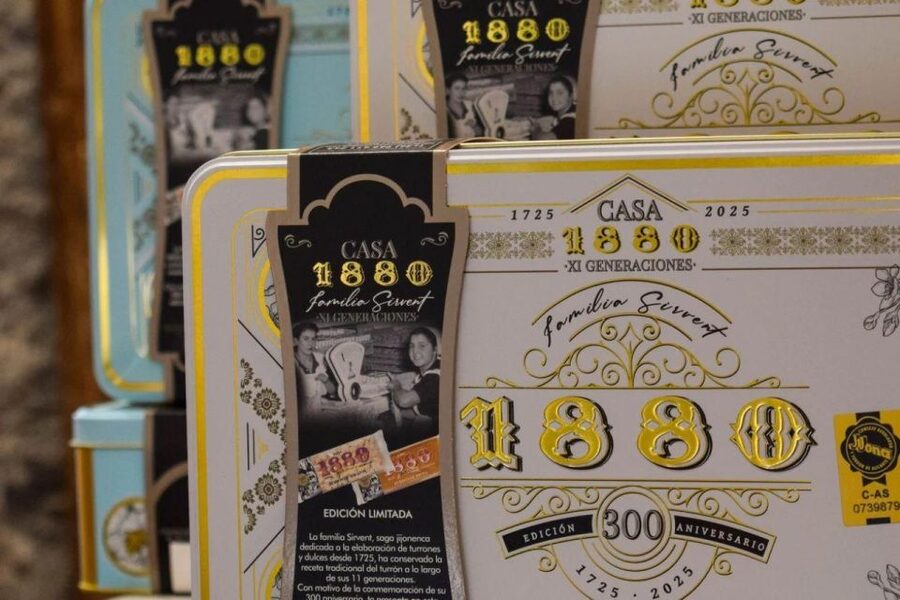
At $5 per person, this is one of the less expensive food-focused stops you can add to a Madrid day. The price includes museum entrance and a tasting, not just access to a shop counter. That distinction matters, though the value depends on what you want from a museum.
I would see this as a compact cultural stop rather than a major attraction. You are paying for context around a familiar Spanish product: where it came from, why it became linked to Christmas, how it was made under the Jijona name, and how a company’s own story becomes part of what it sells.
The tasting helps the price make more sense. You are not only reading about nougat, you can sample several products at the end. Still, the available details do not promise a live production demonstration, a cooking class, or a long guided tour. If you want machinery, factory action, or a large collection of objects, keep your expectations in check.
One harsh assessment described the visit as little more than a presentation viewed in the shop, with the tasting similar to samples offered at the entrance. That is a fair warning for anyone who dislikes sales-oriented attractions. I would book it for the food history and tasting, not because you expect a full museum day.
More museums in Madrid:
- Madrid: Prado Museum Entry Ticket
★ 4.6 · 17,509 reviews - Madrid: Reina Sofía Museum Entrance Ticket
★ 4.5 · 6,889 reviews - Madrid: Small Group of Prado Museum Tour & Optional Tapas
★ 4.6 · 2,437 reviews
Starting at Casa 1880’s shop
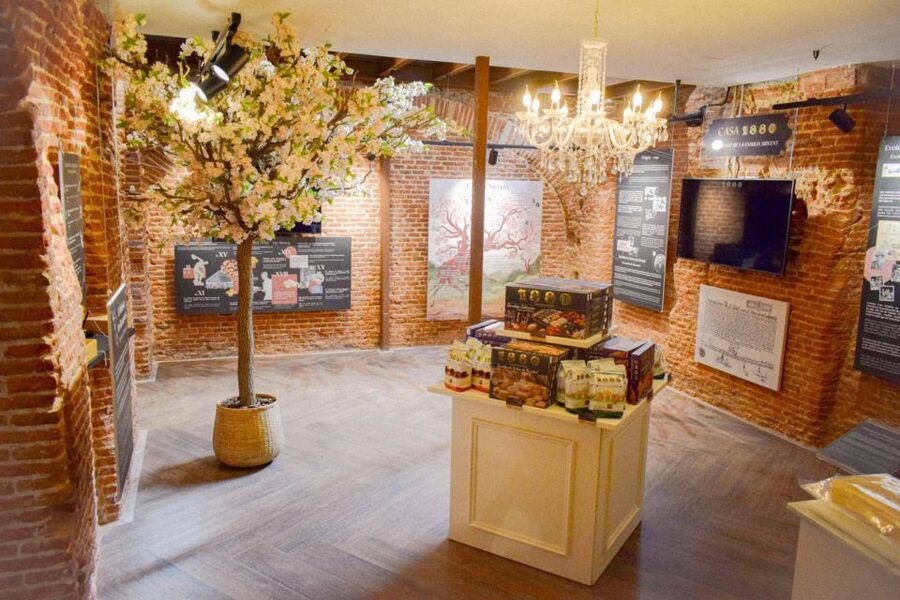
Your meeting point is the Tienda, or shop boutique, at Casa 1880. The museum is connected to the company’s own nougat business, so the visit begins in a commercial setting rather than in a separate civic museum.
That arrangement has two sides. On the good side, you are seeing the product in the place where it is sold, and the company story is part of the exhibit. Nougat is not treated as an abstract recipe. It is presented as the result of farming, production, trade, seasonal demand, and family or company identity.
On the less flattering side, you should expect the retail connection to remain visible. The tasting introduces products sold by the business, and the museum naturally supports the shop. If you prefer a strictly independent food museum, this may not be your ideal stop.
The scheduled entry time matters. The information says you can enter at the time you select, but the format also includes a free tour of the museum areas once inside. Since a reported visit involved waiting nearly an hour because the presentation was not ready, I would avoid planning a tight connection immediately afterward. The visit is valid for one day, but the practical length of the museum tour is not specified.
Following the almond from blossom to nougat
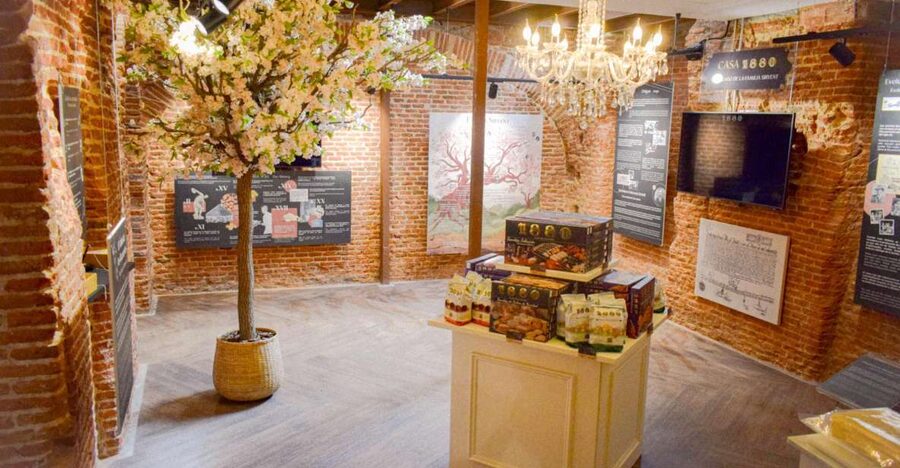
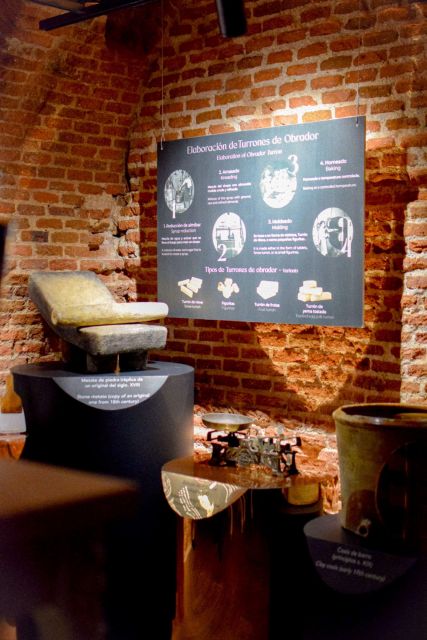
The almond is the right place to begin. Without it, the story of turrón loses its foundation, and the museum uses information panels to explain the almond tree’s flowering and the path of the nut until it becomes nougat.
This section should appeal to you if you like seeing how a food begins before it reaches a market shelf. The focus is not only on the finished sweet. It connects agriculture with a product most people associate with a particular season.
The almond display also gives the museum a useful rhythm. You start with an ingredient, then move toward processing and the finished product. That is more helpful than walking through a collection of packaged sweets with no explanation of how they came to be.
The available information does not list the exact panel text or identify an almond-growing site. You should therefore expect a visual and explanatory introduction rather than a farm visit or a tasting of different almond varieties. The value is in the connection between crop and confection.
Why Jijona matters to the story
The museum’s main subject is not simply nougat made anywhere in Spain. It focuses on Jijona, the town in Alicante associated with traditional turrón and its protected production standards.
You’ll learn about the technological and economic history of Jijona linked to nougat. That is a useful angle because it explains why one sweet can shape the identity and business life of a town. Production methods, commercial growth, and local tradition all become part of the story.
The Jijona Designation of Origin receives special attention. In practical terms, this tells you why the name matters and why production under that designation is described as unique and exclusive. For a food shopper, this background can help you understand why different nougats carry different names and reputations.
I especially like this part because it gives the tasting some purpose. After hearing about Jijona’s production tradition, you can pay closer attention to the texture and style of the samples. The museum does not appear to promise a formal tasting lesson, but the historical context can make a small sample tray more meaningful.
A few more Madrid days to weigh up
- Madrid: Tour Bernabéu Entry Ticket
★ 4.5 · 21,573 reviews - Madrid: Royal Palace Fast-Access Admission Ticket
★ 4.6 · 13,856 reviews - Avila & Segovia Tour with Tickets to Monuments from Madrid
★ 5.0 · 9,762 reviews - Madrid: Avila and Segovia Day Trip with Tickets to Monuments
★ 4.6 · 4,568 reviews
The Christmas tradition behind turrón
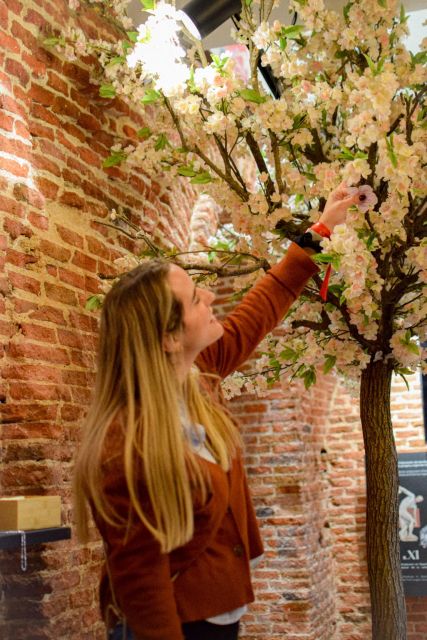
Nougat is strongly tied to Spanish Christmas, and the museum explains why it appears on such important dates. That seasonal connection is central to understanding the product. Turrón is not presented as an everyday snack alone, but as a food associated with celebration and family tables.
This is a good stop if you are in Madrid during the Christmas season and want to understand a sweet you will see in shops and homes. It also works outside December because the museum explains the tradition rather than relying only on holiday decoration.
The visit may be especially useful for families. Children can follow a simple food journey from tree to sweet, while adults get the broader story of trade, production, clothing, and regional identity. The tasting gives the visit a concrete finish, though the Spanish-only presentation may limit what younger visitors understand unless you translate along the way.
Turronero clothing and the human side of selling
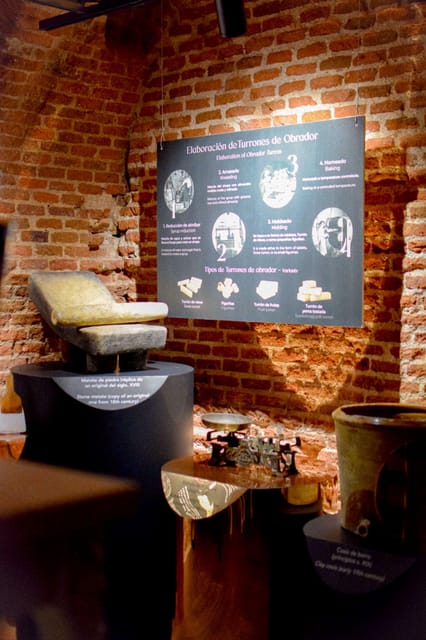
One of the more unusual subjects is the clothing worn by turroneros. The museum follows its evolution from the 18th century, giving the people who made and sold nougat a place in the story.
This detail helps break up what could otherwise be a technical display about ingredients and machinery. Clothing shows how a trade was presented in public and how a product became part of a recognizable working tradition.
I would pay attention here if you enjoy small social details more than lists of dates. The display suggests that turrón was carried into public life by identifiable sellers, not simply produced anonymously and placed on a shelf.
The supplied information does not specify how many garments are displayed or whether original pieces are present. Expect an explanation of the clothing tradition, but do not assume a large costume collection.
The tasting: what you may sample
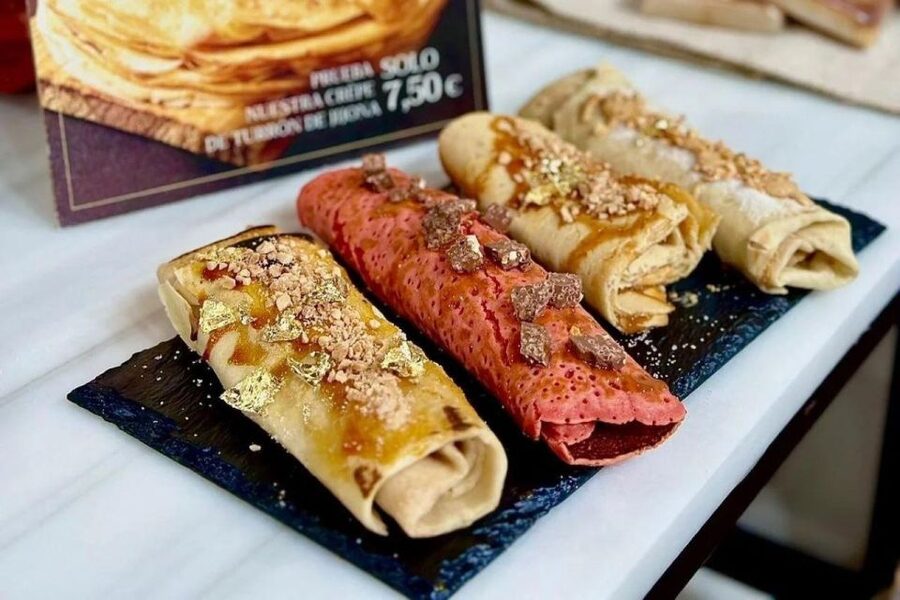
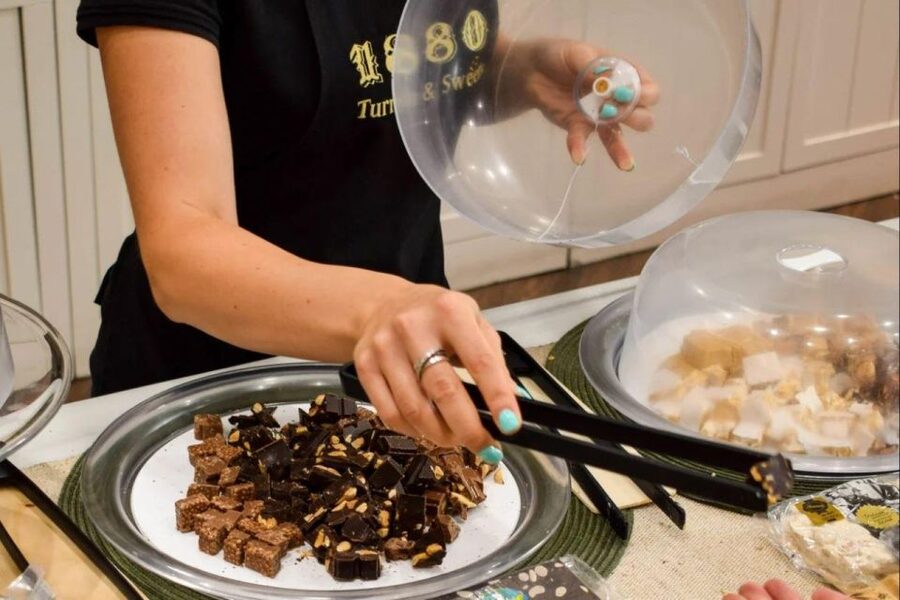
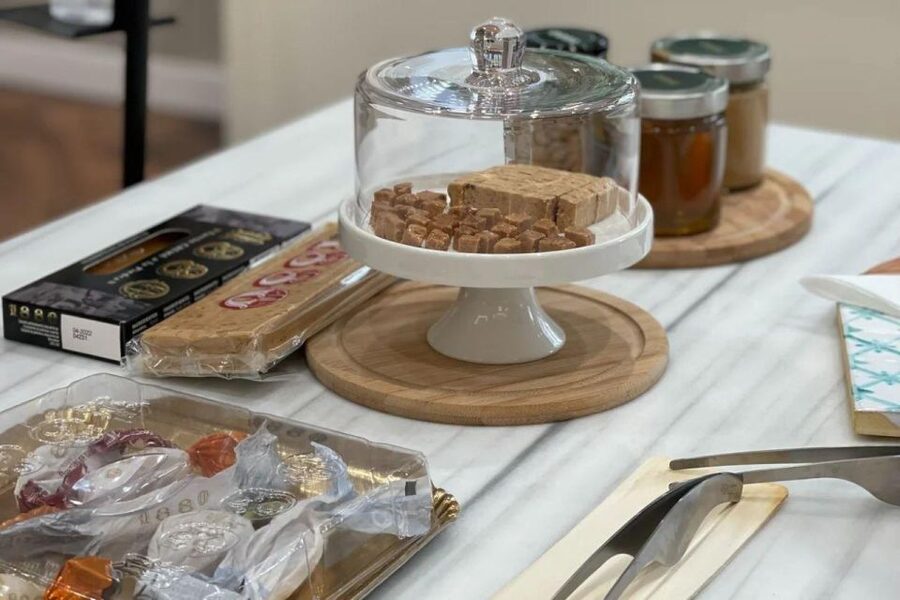
At the end, you are offered a tasting of products sold at the 1880 Turrón Museum. The listed possibilities include Jijona nougat, egg yolk nougat, chocolate nougat, marzipan, and polvorones.
That range gives you several classic Spanish sweets in one stop. Jijona provides the essential reference point, while egg yolk and chocolate show how the product line changes. Marzipan and polvorones broaden the tasting beyond nougat itself.
I would treat the tasting as a sample, not a meal. The amount is not specified, and the selection may be tied to what is being sold in the shop. One negative assessment described the samples as similar to those offered when entering the store, so the tasting may not feel special to every person.
Still, the tasting is a practical benefit at this price. You can try products before deciding if you want to buy them, and you can compare styles instead of choosing a bar without knowing what it tastes like. If you are looking for edible gifts, this is one of the more useful parts of the visit.
Language, guiding, and timing concerns
The listed language is Spanish, and the host or greeter is also Spanish-speaking. There is no named guide provided, so you should not book this expecting a particular personality or a multilingual specialist.
A February 2026 visit received strong praise for a museum arranged with care and a guide who showed enthusiasm and commitment. That points to the human factor: when the presentation is ready and the guide is engaged, a small museum can feel welcoming and personal.
But the operation has not been perfectly reliable. A June 2025 booking involved an almost one-hour wait because the presentation was not ready, after which the visitor left for another tour. That makes timing the main practical risk.
I would leave a buffer around this visit. Do not schedule it just before a train, timed museum entry, or another activity that cannot wait. If you are flexible, a delay is easier to absorb. If your Madrid day is packed minute by minute, the low ticket price may not compensate for the possible disruption.
Who will enjoy this Madrid food stop
I would recommend the museum most strongly to:
- People curious about Spanish Christmas foods
- Food-focused visitors who want the story behind a familiar product
- Families looking for a short, inexpensive indoor activity
- Shoppers considering nougat, marzipan, or polvorones as gifts
- Anyone already near Casa 1880 who can spare time for a compact visit
You may want to skip it if you want a large museum, a factory tour, a cooking lesson, or a presentation in English. The museum’s strength is its narrow focus. That focus is useful for the right person, but limiting if you want a broad survey of Spanish cuisine.
The rating shown for the experience is 3.2 out of 5 from 18 reviews. I read that as a sign to keep expectations realistic. One person praised the careful setup and the enthusiastic guide, while other feedback raised serious concerns about value and readiness. The experience can work well, but it is not a sure hit for everyone.
Booking details that affect your day
The ticket costs $5 per person and is valid for one day. You select an entry time, and the ticket includes entrance plus the nougat tasting.
Cancellation is allowed up to 24 hours in advance for a full refund. You can also reserve now and pay later, which helps if your Madrid schedule is still changing.
The meeting point is the Casa 1880 shop boutique in the Community of Madrid. Since no detailed transport directions, exact visit length, group size, or accessibility information is supplied, check the current entry details before booking and allow extra time around the appointment.
The visit is offered with a Spanish host or greeter. If you do not speak Spanish, bring a translation app or arrange help so the almond, Jijona, and historical sections do not pass too quickly.
Should you book the Madrid Nougat Museum?
Book it if you want a low-cost food-history stop with a tasting and you are comfortable with a Spanish-language presentation in a shop setting. The almond-to-nougat story, Jijona background, Christmas customs, and turronero clothing give the visit more substance than a simple purchase at a sweet counter.
Skip it if you need a dependable, full-scale museum experience or have a tightly timed day. The reported delay and the criticism that the tasting resembles ordinary shop samples are important warnings.
My practical call: book when you are nearby, flexible, and genuinely interested in turrón. At $5, it is a reasonable gamble for food fans, but not an essential Madrid sight.
FAQ
Where is the Madrid Nougat Museum located?
The meeting point is the Tienda, or Shop Boutique, at Casa 1880 in the Community of Madrid, Spain.
How much does admission cost?
Admission costs $5 per person.
How long is the ticket valid?
The ticket is valid for one day. You should check availability for the available starting times.
What does the ticket include?
The ticket includes entrance to the 1880 Nougat Museum and a nougat tasting.
What products are included in the tasting?
The tasting can include Jijona nougat, egg yolk nougat, chocolate nougat, marzipan, and polvorones.
Is the visit available in English?
The listed host or greeter language is Spanish, and the activity information lists Spanish as the available language.
Can I cancel the booking?
Yes. You can cancel up to 24 hours in advance for a full refund.
Just added around Madrid
- Private Vacation Photography Session with Photographer in Madrid★ 5.0 · 3 reviews
- Arrival Private Transfer from MAD Airport to Madrid in a Minibus★ 5.0 · 3 reviews
- Segovia: 3-Hour Private Walking Tour★ 5.0 · 3 reviews
- Tour Segovia and La Granja de San Ildefonso from Madrid★ 5.0 · 3 reviews
- Salamanca: Private Guided Customizable Walking Tour★ 5.0 · 3 reviews
- Total Reboot and Renew with top wellnes 3 hours couple experience★ 5.0 · 3 reviews
- Madrid: Prado & Reina Sofia Museum Skip-the-Line Guided Tour★ 5.0 · 3 reviews
- Madrid: Prado Museum Private Tour★ 5.0 · 3 reviews
Museums, compared.


Small Group of Prado Museum Tour & Optional Tapas
Read our review →
Prado Museum Guided Tour with Skip-the-Line Ticket
Read our review →


Prado Museum Small Group Tour with Skip the Line Ticket
Read our review →
Royal Palace & Prado Museum Skip the Line Guided Tour
Read our review →Browse the lists this tour appears in