
Review · MUSEUMS
Visit the National Archaeological Museum in Madrid
Madrid’s National Archaeological Museum packs more than 10,000 years of Spanish history under one roof. This 1.5-hour visit gives you a clear route through the highlights, from prehistoric remains and Roman sculpture to the Lady of Elche and the legacy of Al-Andalus. It is a useful choice when you want context, not just glass cases full of old objects.
I like two things right away: the guide brings professional training in archaeology and cultural heritage, and the tour includes skip-the-ticket-line entry. Guide Angel has been singled out for making the visit personal, lively, and clear. The main caution is timing. One poorly handled cancellation involved a 5:30 p.m. booking on a day when the museum closed at 3 p.m., so check the available start time carefully before you commit.
In This Review
- Key points to know
- Why this museum visit matters in Madrid
- Meeting by Velazquez and getting started
- Prehistory and the Altamira connection
- Iberian sculpture and the Lady of Elche
- Roman Hispania and the sculpture courtyard
- Al-Andalus and the Andalusian legacy
- Treasures, tools, and the Neperian Abacus
- What $34 gets you
- Who should book this guided visit
- Timing, cancellation, and one warning to take seriously
- Should you book the National Archaeological Museum tour?
- FAQ
- How long does the National Archaeological Museum tour last?
- Where is the meeting point?
- How early should I arrive?
- Is museum admission included?
- Is skip-the-ticket-line entry included?
- Which languages are available?
- Is the museum visit wheelchair accessible?
Key points to know
- A 1.5-hour route through 10,000 years: You move from prehistory to Roman Hispania, Al-Andalus, and Bourbon Spain without spending a full day in the museum.
- The Lady of Elche is a major highlight: This famous Iberian sculpture gives the collection a memorable centerpiece.
- Roman sculpture gets its own courtyard: The setting adds a strong visual break from the indoor galleries.
- English and Spanish guiding: Naturanda provides a live guide in either language.
- Skip-the-line tickets are included: You do not need to arrange museum admission separately.
- Meet by the Velazquez monument: Arrive at least 15 minutes early, and remember that pets are not allowed.
Why this museum visit matters in Madrid
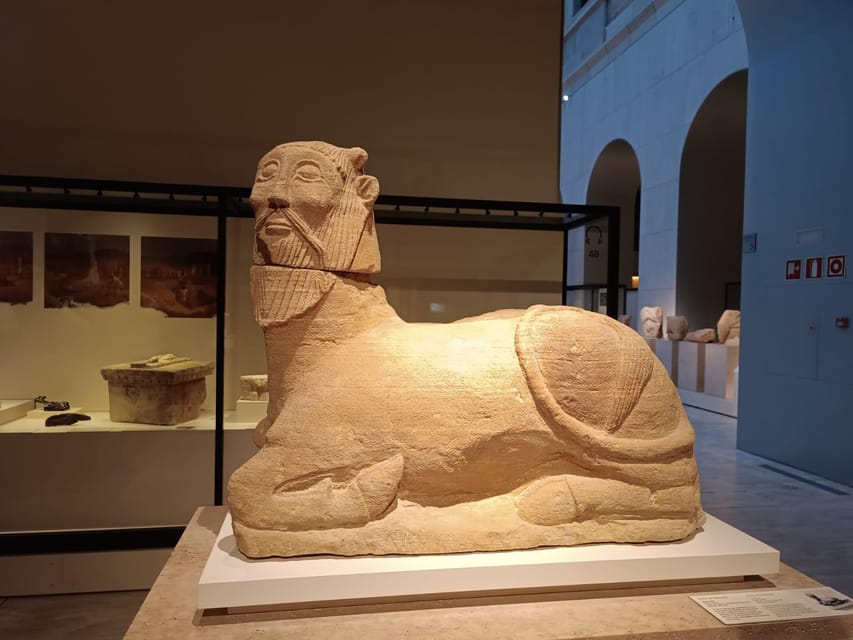
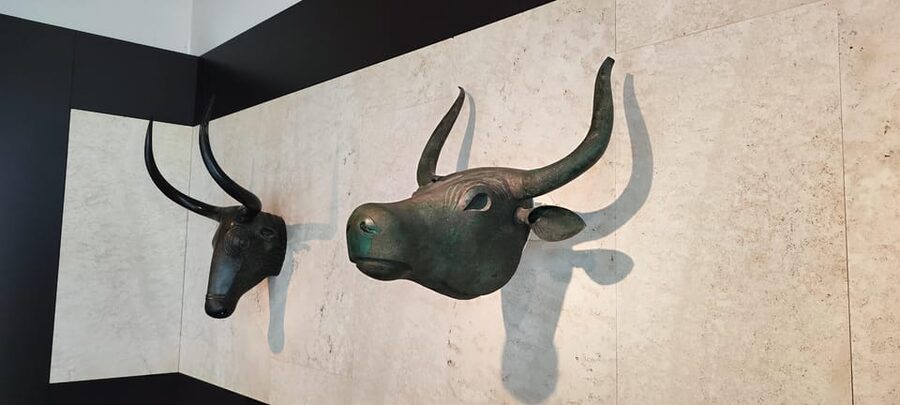
The National Archaeological Museum is one of Madrid’s best places to see Spain as a long sequence of cultures rather than a single national story. Its collection reaches from prehistory to the modern era, using objects to show how people lived, worshipped, traded, ruled, and made art.
That matters because many archaeological museums can feel like storage rooms with labels. A guide helps connect the pieces. A carved figure is no longer just a carved figure. A metal object is not merely an attractive bit of ancient craft. You get a sense of where it fits in the wider story of the Iberian Peninsula.
I especially like this approach for a first visit to Madrid. You can see famous landmarks in a few hours, but the museum gives you the background that makes those landmarks easier to understand. Roman Hispania, medieval Muslim culture, Christian kingdoms, and the Bourbon period all appear in one route.
The visit is also short enough to fit around other plans. At 90 minutes, it gives you a solid introduction without demanding the stamina of a full museum day. You will not see every room in depth, but you should come away with a useful framework for returning on your own.
More museums in Madrid:
- Madrid: Prado Museum Entry Ticket
★ 4.6 · 17,509 reviews - Madrid: Reina Sofía Museum Entrance Ticket
★ 4.5 · 6,889 reviews - Madrid: Small Group of Prado Museum Tour & Optional Tapas
★ 4.6 · 2,437 reviews
Meeting by Velazquez and getting started
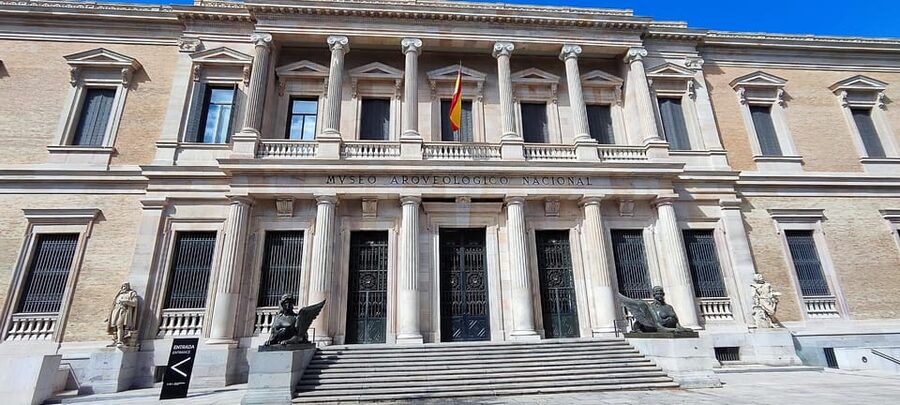
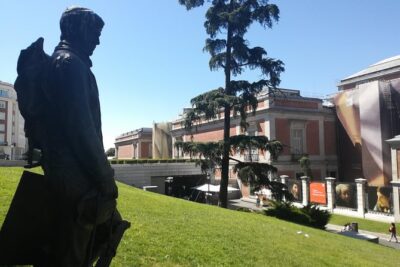
The meeting point is next to the monument to Velazquez. This is a small but important detail. Museums often have several entrances, nearby statues, and busy public spaces, so arrive at least 15 minutes before the scheduled start.
The first part of the itinerary is listed as a brief five-minute stop at the National Archaeological Museum. In practical terms, this is the point where the group gathers and gets organized before the main guided visit. The exact flow may depend on the day and the guide, but you should be ready to enter soon after meeting.
Naturanda provides the museum ticket and official guide. That keeps the beginning simple. You are not left to find the ticket desk, work out the entrance system, or decide which galleries to tackle first.
The tour is offered in English and Spanish. If you need English, confirm that the selected departure is offered in English when booking. The available start times can change, and the museum’s holiday hours matter. One serious scheduling problem involved a late afternoon booking when the museum was closing earlier, so do not assume every listed time works on every date.
Prehistory and the Altamira connection
The museum’s story begins long before Spain had cities, kingdoms, or written records. The prehistoric collections help you think about human life through tools, ornaments, remains, and early artistic work.
The visit includes a look at the Altamira Caves and the wider prehistoric world connected with them. You will not be visiting the caves in northern Spain on this tour. Instead, you are seeing how the museum presents that remote period through material remains and interpretation.
This is where a guide can make a real difference. Without context, prehistoric objects can seem modest: a stone, a fragment, a tool, or a small decorative item. With a strong explanation, those objects become evidence of decisions made by people thousands of years ago.
A Spanish-language booking may be especially useful if you are already familiar with the country’s archaeology. An English-language visit can help you understand names and periods that are otherwise easy to mix up. Either way, the value comes from having a professional explain the meaning behind what you see.
Do not expect every prehistoric display to look dramatic. The power of this section is often in the age and purpose of the objects, not their size. One Spanish-language comment described the guide as dynamic and well prepared, while another visitor said the visit changed the way they understood prehistoric remains. That is the right expectation: the guide should help ordinary-looking objects make sense.
Iberian sculpture and the Lady of Elche
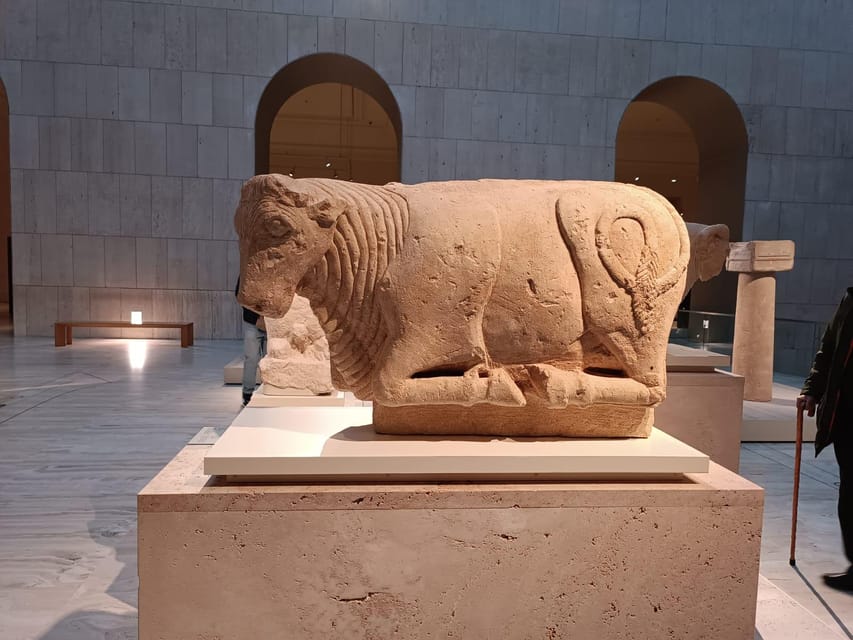
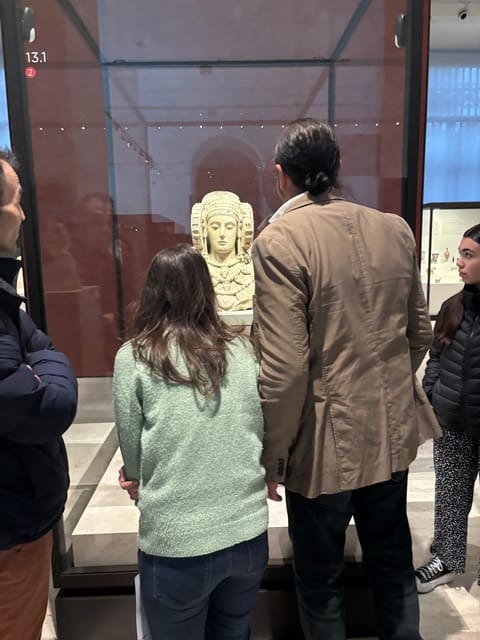
The Iberian collection is one of the clearest reasons to book this visit. Its best-known work is the Lady of Elche, a sculpture that has become one of the most recognizable faces of ancient Spain.
The Lady of Elche is not just a famous object to photograph. It raises questions about identity, status, dress, ritual, and the links between Iberian culture and the wider Mediterranean world. A guide can point out details that are easy to miss when you are standing in front of the case alone.
I like that this part of the collection gives the museum a strong focal point. You have an object to remember after the tour, but the surrounding Iberian pieces help place it in context. The result is more useful than a quick stop for a famous sculpture followed by a rush to the next room.
The experience may suit you particularly well if you enjoy art but do not usually know what to look for in archaeology. The guide can direct your attention to form, materials, and cultural meaning without turning the visit into a university lecture.
The museum’s arrangement has also been praised for its elegant presentation. That matters here. A major object needs room to breathe, and a well-organized display makes it easier to focus rather than bounce between unrelated cases.
A different sort of afternoon around Madrid:
- Madrid: Tour Bernabéu Entry Ticket
★ 4.5 · 21,573 reviews - Madrid: Royal Palace Fast-Access Admission Ticket
★ 4.6 · 13,856 reviews - Madrid: “Emociones” Live Flamenco Performance
★ 4.8 · 12,866 reviews - Madrid: Panoramic Route City Tour
★ 4.1 · 12,259 reviews
Roman Hispania and the sculpture courtyard
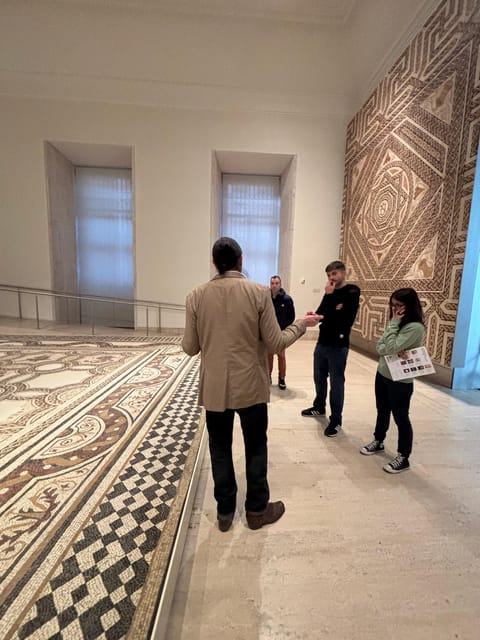
The Roman section shows how Roman power and culture shaped the Iberian Peninsula. Statues, architectural fragments, and other objects give you a view of Hispania as part of the Roman world, while also showing how local traditions continued within that system.
The Roman sculpture courtyard is one of the most appealing parts of the route. It gives you a chance to see sculpture in a more open setting, rather than only through tightly packed indoor displays. The courtyard also provides a natural pause during the 90-minute visit.
I find courtyard displays useful because scale becomes easier to judge. A sculpture can feel different when you see its full height, the back of the work, and the space around it. You may also notice how Roman art was designed to occupy public or architectural settings.
The drawback is time. A 1.5-hour tour cannot give every Roman object a long explanation. If Roman Spain is your main interest, treat this guided visit as an introduction and allow extra time afterward for a return visit, if museum access and your schedule permit.
The itinerary also refers to the museum’s hop-on hop-off stop for five minutes. This does not appear to be a separate bus excursion included in the experience. Think of it as a brief itinerary point connected with the museum location, not as transportation around Madrid.
Al-Andalus and the Andalusian legacy
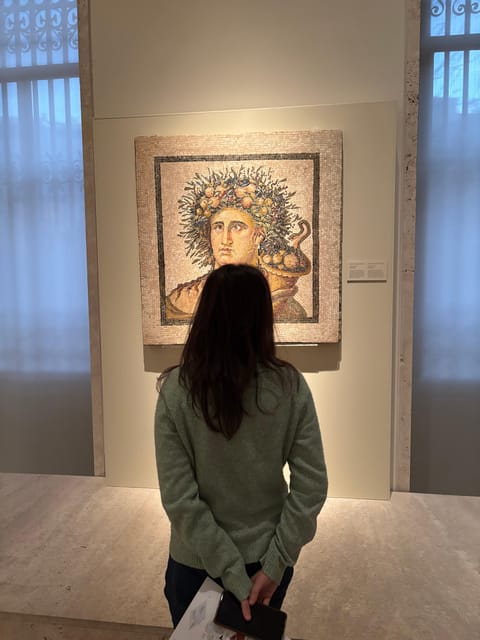
The medieval galleries bring the story into the period of Al-Andalus. This section is valuable because it shows Andalusian culture as part of Spain’s long development, not as an isolated chapter.
Objects from this era can reveal changing religious traditions, artistic styles, technology, trade, and daily life. The museum’s collection includes examples of medieval movable art, so you are looking at portable objects as well as major sculpture and architectural pieces.
I like the chance to place Al-Andalus beside the prehistoric, Iberian, and Roman material. The comparison helps you see both continuity and change. Materials, decoration, and craftsmanship can carry older ideas forward while also reflecting new beliefs and connections.
This part of the tour may be especially useful if your Madrid trip includes Córdoba, Seville, Granada, or other places associated with Andalusian culture. The museum will not replace those city visits, but it can give you a stronger base for understanding what you see there.
The tour description also points toward the Spain of the Bourbons. That extends the story into a later royal period and prevents the visit from stopping abruptly in the Middle Ages. You get a broad outline of Spain’s development, from early human settlement to royal power.
Treasures, tools, and the Neperian Abacus
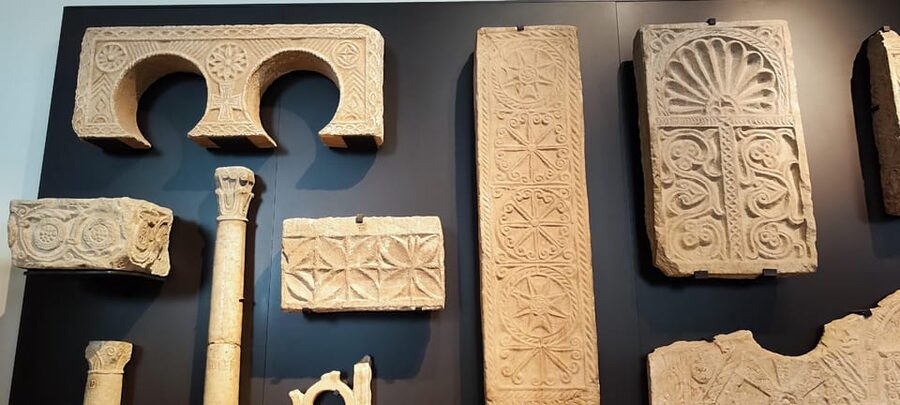
The museum’s appeal is not limited to large statues. It also holds important objects such as the Treasure of Guarrazar and the Neperian Abacus, along with examples of prehistoric, classical, and medieval movable art.
These smaller objects help balance the visit. A treasure can show wealth, religious practice, or political power. An abacus points toward calculation and practical knowledge. Together, they remind you that archaeology is not only about rulers and monuments. It also concerns the tools people used and the objects they valued.
The Treasure of Guarrazar is a useful example of how a group of objects can tell a larger story. Treasures raise questions about who made them, who owned them, why they were hidden, and what happened during the period when they disappeared from view.
The Neperian Abacus adds another kind of interest. It brings mathematics and measurement into a museum route that might otherwise seem focused only on art, war, and religion. If you enjoy objects with a clear practical purpose, make sure you do not rush past this part of the collection.
A guide is most useful here because small objects rarely announce their importance. Angel has been praised for explaining the museum in a personal and entertaining way, and that style can help keep the lesser-known pieces from being lost behind the famous names.
What $34 gets you
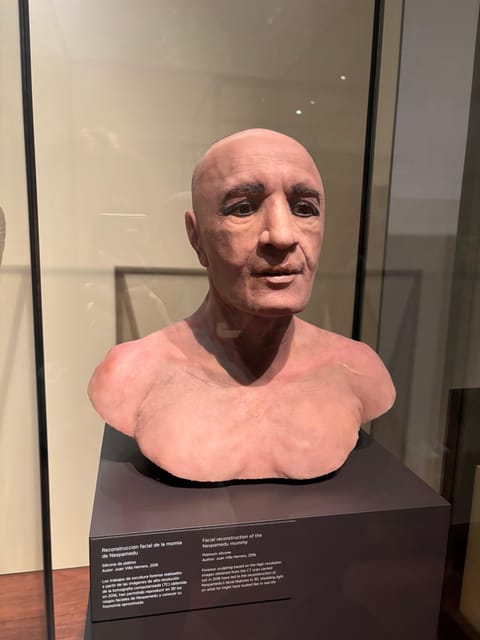
At $34 per person, this is not the cheapest way to enter a museum. You are paying for the ticket, skip-the-line access, and a 90-minute guided route in English or Spanish.
The value depends on how you like to visit museums. If you are comfortable reading labels, choosing rooms, and building your own route, a self-guided visit may offer more freedom. You can set your own pace and spend longer with the Lady of Elche, the Roman sculptures, or the medieval galleries.
If you want a clear explanation and have limited time in Madrid, the price is easier to justify. You avoid spending the first part of the visit working out where to go, and you get a professional framework for a very large collection. The guide also helps you decide which objects deserve your attention.
The strongest value comes when you are new to Spanish archaeology. The museum spans such a long period that it can be hard to see the connections alone. A good guide turns 90 minutes into a focused introduction rather than a hurried walk through unrelated rooms.
I would not book this expecting a private tour or a complete survey of every gallery. The supplied information does not promise a private group, and the short duration means the visit must concentrate on selected highlights. Think of it as a guided overview with enough detail to make a later independent visit more rewarding.
Who should book this guided visit
I would recommend it to first-time Madrid visitors who want more than art museums and royal palaces. It also suits families, students, and adults who enjoy history but do not have specialist training in archaeology.
You will get the most from it if you:
- Want to see the Lady of Elche with useful background
- Prefer a guide to explain unfamiliar objects
- Have only 90 minutes for the museum
- Enjoy Roman, Iberian, prehistoric, or Andalusian culture
- Want English or Spanish commentary
- Need wheelchair-accessible arrangements
It may be less suitable if you like to read every label or spend 20 minutes with one object. The fixed route and short duration naturally limit independent wandering.
Pets are not allowed. Meals and drinks are not included, so plan those separately before or after the museum visit.
Timing, cancellation, and one warning to take seriously
You can cancel up to 24 hours in advance for a full refund, and the reserve-now, pay-later option lets you hold a place without paying immediately. Those terms are useful if your Madrid plans are still shifting.
The more important practical issue is the museum schedule. Check the date and start time, especially around public holidays. The museum closes at 3 p.m. on holidays according to the supplied information, and a late tour was once offered and then canceled far too close to the start because the closure should have been known earlier.
That incident does not erase the positive experiences, but it is a fair reason to verify the time before booking. If your day depends on this visit, avoid building a tight chain of plans around the scheduled ending.
Should you book the National Archaeological Museum tour?
Book it if you want a short, guided introduction to Spain’s material culture, especially the Lady of Elche, Iberian sculpture, Roman Hispania, Al-Andalus, and the Treasure of Guarrazar. At $34, the tour makes the most sense when you value clear explanations and skip-the-line entry more than total freedom.
Skip it if you prefer a slow, self-guided museum visit or already know the collection well. Either way, check the departure time against the museum’s holiday hours, arrive by the Velazquez monument 15 minutes early, and confirm your preferred language.
FAQ
How long does the National Archaeological Museum tour last?
The guided visit lasts 1 hour and 30 minutes.
Where is the meeting point?
Meet next to the monument to Velazquez.
How early should I arrive?
You should arrive at least 15 minutes before the scheduled start.
Is museum admission included?
Yes. The ticket is included, along with the official guide.
Is skip-the-ticket-line entry included?
Yes, skip-the-line access is included in the activity.
Which languages are available?
The live tour guide is available in English and Spanish.
Is the museum visit wheelchair accessible?
Yes, the activity is listed as wheelchair accessible. Pets are not allowed.
Just added around Madrid
- Private Vacation Photography Session with Photographer in Madrid★ 5.0 · 3 reviews
- Arrival Private Transfer from MAD Airport to Madrid in a Minibus★ 5.0 · 3 reviews
- Segovia: 3-Hour Private Walking Tour★ 5.0 · 3 reviews
- Tour Segovia and La Granja de San Ildefonso from Madrid★ 5.0 · 3 reviews
- Madrid: Prado & Reina Sofia Museum Skip-the-Line Guided Tour★ 5.0 · 3 reviews
- Salamanca: Private Guided Customizable Walking Tour★ 5.0 · 3 reviews
- Total Reboot and Renew with top wellnes 3 hours couple experience★ 5.0 · 3 reviews
- Madrid: Prado Museum Private Tour★ 5.0 · 3 reviews
Museums, compared.

Small Group of Prado Museum Tour & Optional Tapas
Read our review →
Prado Museum Guided Tour with Skip-the-Line Ticket
Read our review →

Prado Museum Small Group Tour with Skip the Line Ticket
Read our review →
Royal Palace & Prado Museum Skip the Line Guided Tour
Read our review →Browse the lists this tour appears in