
Review · REINA SOFIA MUSEUM TOURS
Madrid: Reina Sofia Museum Skip-the-Line Guided Museum Tour
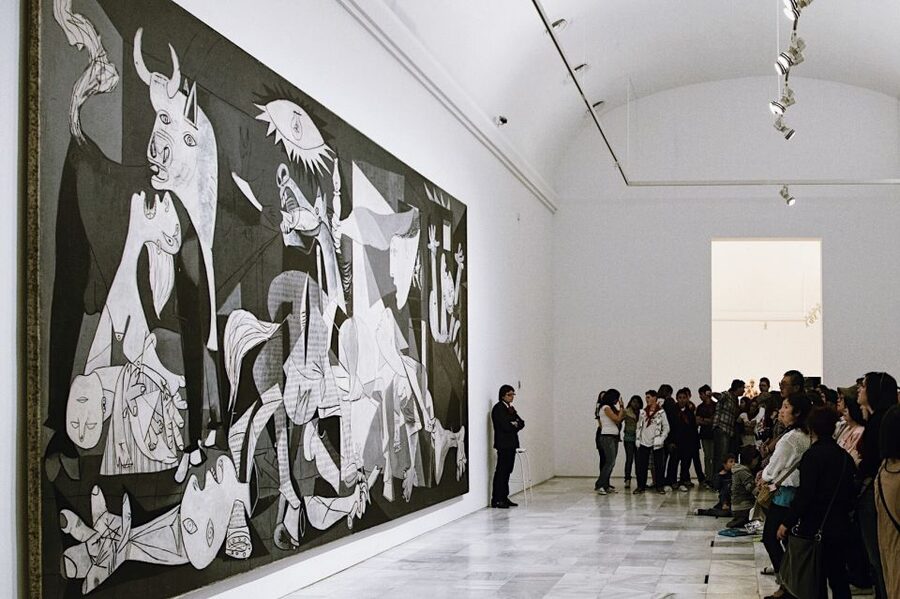
Picasso’s Guernica is the clear star here, but the real payoff is hearing how Spain’s Civil War and changing politics shaped the art around it. Your guide helps turn a former hospital filled with modern works into a readable story rather than a maze of white walls.
I like the skip-the-line entry, especially when your Madrid day is already packed. I also like the small-group format and the chance to learn with guides such as Almu, Beatriz, or Angel, who bring personal stories, artistic technique, and historical context into the conversation. The main drawback is the $90 price, which makes the tour best for visitors who want expert guidance rather than a quick look at the museum.
In This Review
- Key points to know before booking
- Why the Reina Sofia works best with a guide
- Entering the museum without the long ticket line
- Picasso’s Guernica and the weight of the Civil War
- Salvador Dalí’s strange and unsettling images
- Joan Miró and the move toward abstraction
- The guides make or break the experience
- Private or semiprivate, which format makes sense?
- A realistic two-and-a-half-hour itinerary
- Practical limits to keep in mind
- Who should book this Reina Sofia tour?
- Should you book it?
- FAQ
- How long does the Reina Sofia guided tour last?
- What languages are available?
- Does the tour include skip-the-line entry?
- Which major artworks will I see?
- How many people are in the semiprivate group?
- Can I bring a suitcase into the Reina Sofia?
- Is the tour wheelchair accessible?
Key points to know before booking
- Picasso’s Guernica anchors the visit: You’ll spend time with Spain’s most famous modern painting and learn how the Civil War shaped its meaning.
- Three major Spanish artists appear on the route: Expect works by Picasso, Salvador Dalí, and Joan Miró.
- The tour lasts about 2 to 2.5 hours: That is enough time for the major works, but not for every room in the museum.
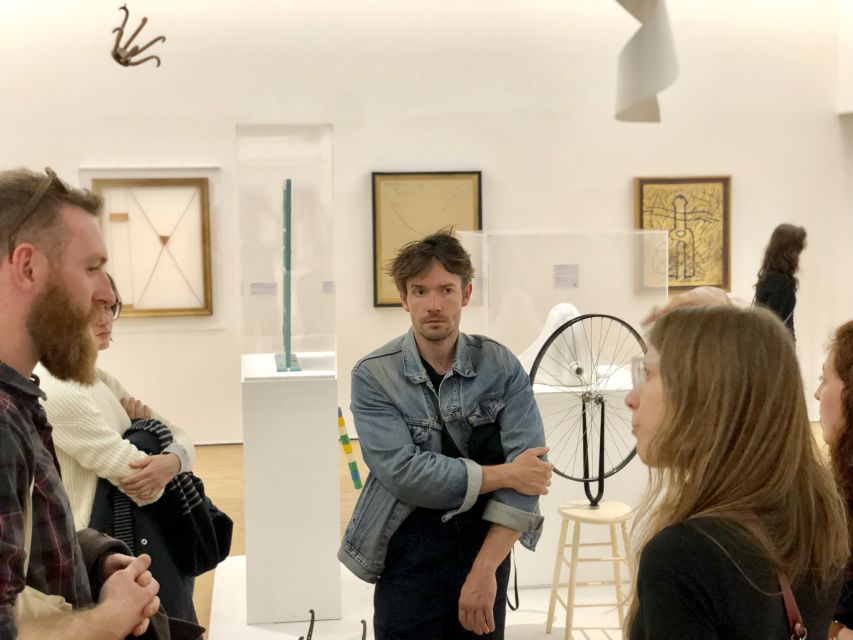
- Small groups keep the discussion personal: Semiprivate tours have no more than eight participants, while private tours offer a more tailored pace.
- Skip-the-line entry saves time: Your guide handles the museum entrance so you can get to the art sooner.
- Large bags are a real problem: Bring your passport or ID, but leave suitcases and large luggage behind.
Why the Reina Sofia works best with a guide
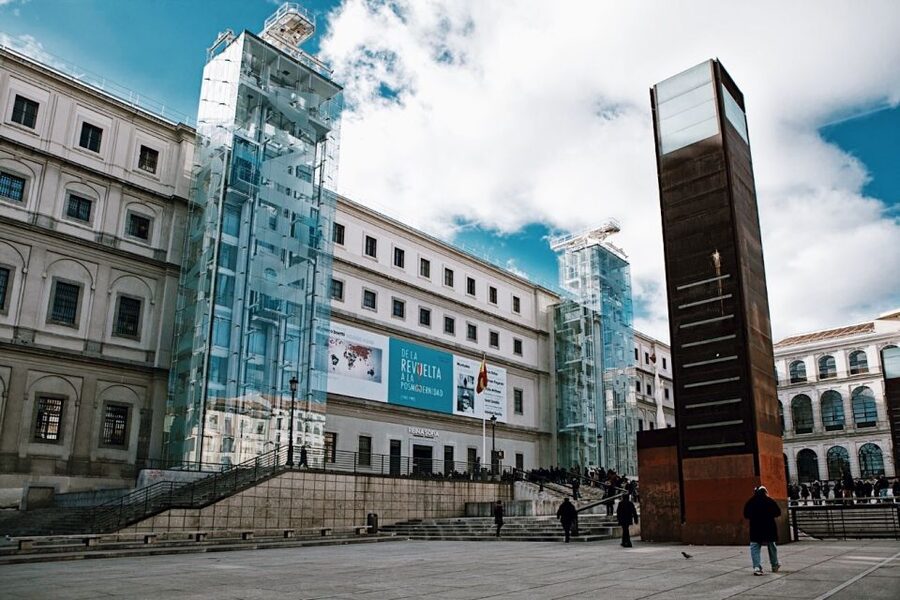
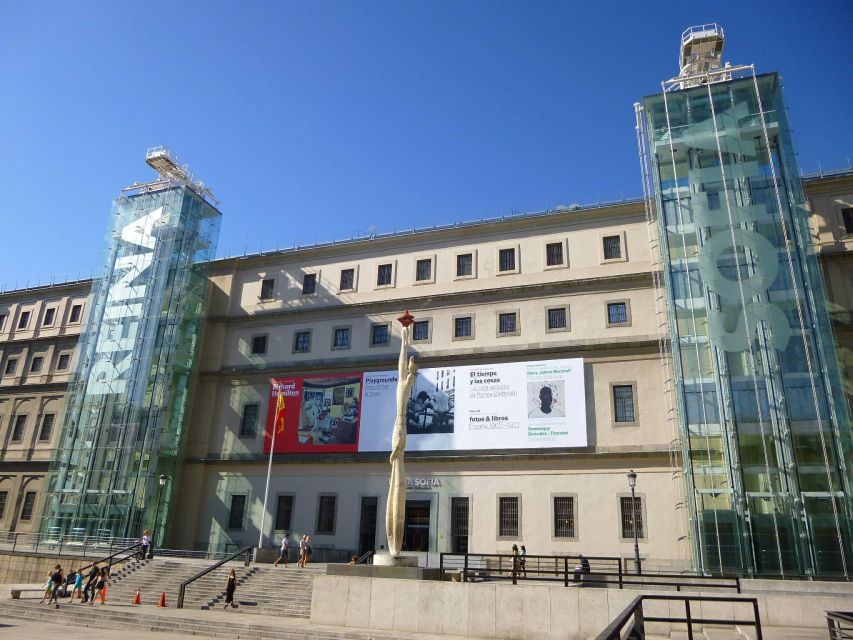
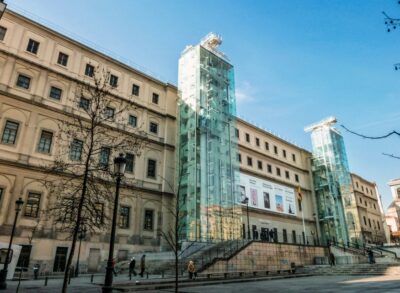
The Reina Sofia occupies a former hospital renovated in the 1990s. Its collection focuses mainly on 20th-century Spanish art, with rooms covering abstractionism, cubism, surrealism, and modernism.
That mix can be rewarding, but it is not always easy to read on your own. A painting that looks strange or playful may be tied to war, censorship, politics, psychology, or a major change in how artists thought about reality. A good guide gives you the thread connecting those ideas.
I see the guided format as most useful for visitors who do not already have a strong background in modern art. You do not need to know the difference between cubism and surrealism before arriving. The guide explains the movements in plain terms and points out how each artist developed a personal style.
The tour is not designed to cover every gallery. In two to two and a half hours, you will see the museum’s leading works and hear the stories that make them memorable. If you want a quiet, slow look at dozens of lesser-known paintings, plan a separate museum visit.
More Reina Sofia visits:
- Madrid: Reina Sofía Museum Entrance Ticket
★ 4.5 · 6,889 reviews - Madrid: Reina Sofía Museum Guided Tour
★ 4.3 · 659 reviews - Reina Sofia Museum Small Group Tour -6 people maximum-
★ 5.0 · 433 reviews
Entering the museum without the long ticket line
The skip-the-line feature is simple but useful. Your guide meets you at a location that can vary with the booking option, then leads the group into the museum with entrance fees included.
Madrid has no shortage of popular museums, and waiting outside can eat into a short sightseeing day. Here, the time saved is not just about convenience. It gives you more room for the actual collection, particularly if you are fitting the Reina Sofia between the Prado, the Thyssen-Bornemisza Museum, and other central Madrid sights.
You still need to pass museum security. Large bags and suitcases are not allowed inside. Only handbags or small, thin backpacks can pass through, so avoid arriving with your main travel luggage. Bring a passport or ID card, as identification is listed among the required items.
The meeting point may vary, so check the exact instructions for your selected option rather than assuming the group meets at the main entrance. The tour ends back at the meeting point.
Picasso’s Guernica and the weight of the Civil War
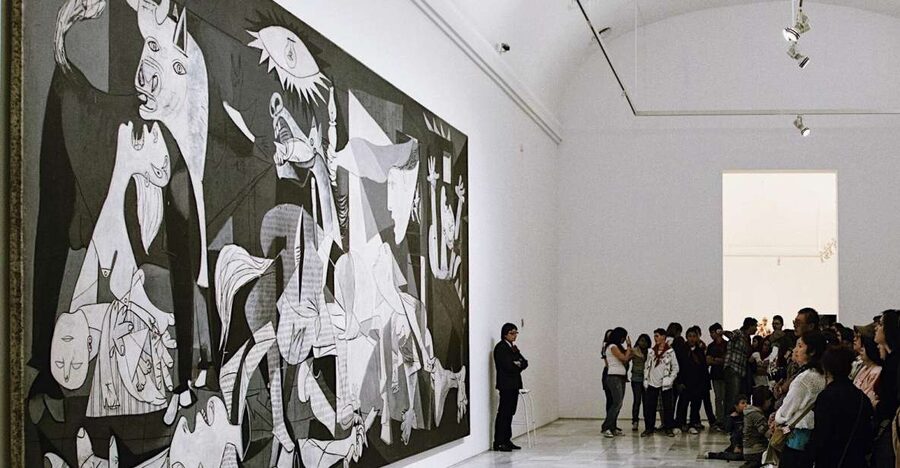
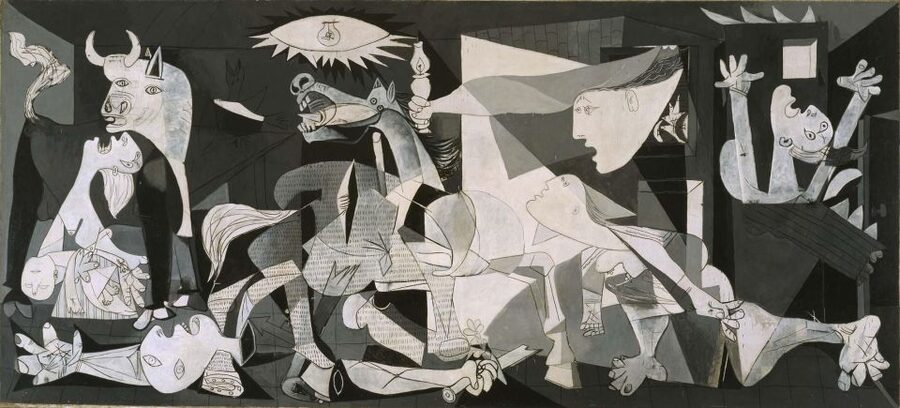
The most important stop is Guernica, Picasso’s enormous black-and-white painting created in response to the bombing of the Basque town of Guernica during the Spanish Civil War.
The painting is not a tidy historical illustration. Its broken bodies, anguished faces, sharp forms, and harsh contrast create a scene of panic and grief. The lack of color makes it feel almost like a newspaper photograph, though the distorted figures push it far beyond ordinary reporting.
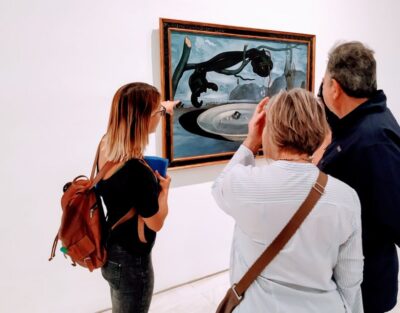
This is where a guide can make a major difference. You will learn how Picasso’s choices relate to cubism, how the work developed, and how the Spanish Civil War affected artists and ordinary people. The guide also helps you look closely instead of simply checking off the museum’s most famous painting.
Be prepared for this stop to take time. Guernica is not a painting you absorb in ten seconds while moving with the crowd. Your group may discuss the figures, symbols, composition, and political setting before moving on. That slower look is one of the strongest reasons to book a guided visit.
The painting can also be the emotional high point of the tour. If you are mainly interested in Spanish modern art, it gives the rest of the collection a clear center. Works by Dalí and Miró become easier to place after you understand the pressures and events shaping Spanish artists in the same period.
Salvador Dalí’s strange and unsettling images
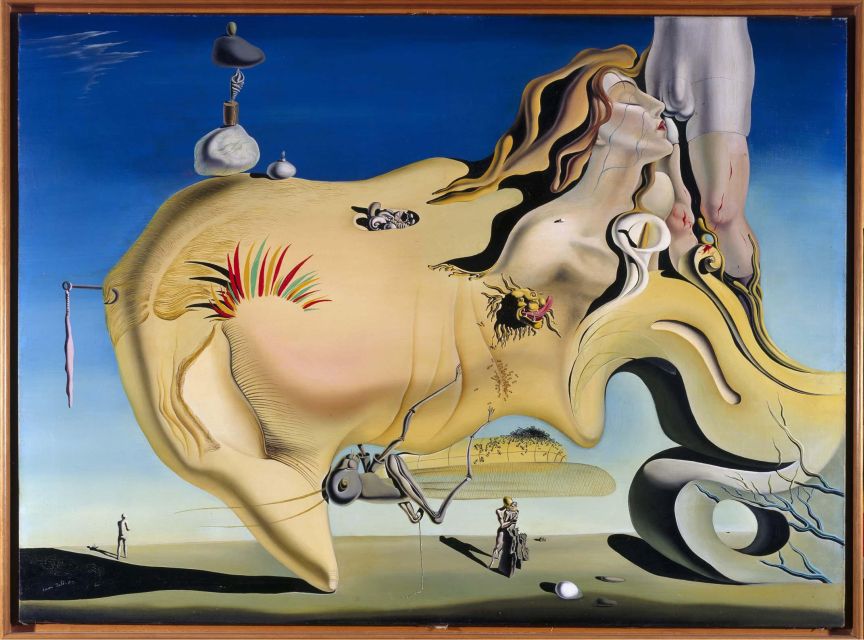
Salvador Dalí brings a very different energy to the museum. His Face of the Great Masturbator is one of the key works included on the route, and its unusual forms give your guide plenty to explain.
Dalí’s paintings can look dreamlike, comic, or disturbing. The shapes do not always behave as they would in the real world, and the images often seem to shift as you study them. Your guide discusses the techniques and stories behind the work, helping you see that the oddness is deliberate rather than random.
This part of the visit suits curious beginners. You do not need to decide if you like surrealism. Instead, you can ask why Dalí used certain forms, how his artistic voice developed, and what the painting reveals about the movement.
The subject matter can be offbeat, so this is not a museum stop aimed at very young children who may need a straightforward art collection. The tour discusses the works in their artistic and historical setting, but some images and themes may still feel mature or unsettling.
More museums in Madrid:
- Madrid: Prado Museum Entry Ticket
★ 4.6 · 17,509 reviews - Madrid: Small Group of Prado Museum Tour & Optional Tapas
★ 4.6 · 2,437 reviews - Madrid: Prado Museum Guided Tour with Skip-the-Line Ticket
★ 4.5 · 2,018 reviews - Madrid: Museum of Illusions Ticket
★ 4.1 · 1,909 reviews
Joan Miró and the move toward abstraction
The tour also includes Joan Miró’s Man with a Pipe. Miró’s work gives you a chance to see another path through Spanish modernism.
Compared with the detailed, unsettling images associated with Dalí, Miró’s forms can seem simpler at first glance. That simplicity is part of the point. Your guide explains how lines, shapes, and reduced forms can carry a figure or idea without presenting it in a traditional realistic way.
This is a useful place to compare artists directly. Picasso breaks and rearranges the visible world. Dalí turns it into a dream. Miró pares it down into signs and shapes. Seeing those approaches in the same museum makes the different movements easier to understand.
I especially like this kind of comparison because it gives you a practical way to look. Instead of asking only if a painting is attractive, you can ask what the artist changed, what the artist removed, and how the work asks you to see differently.
The guides make or break the experience
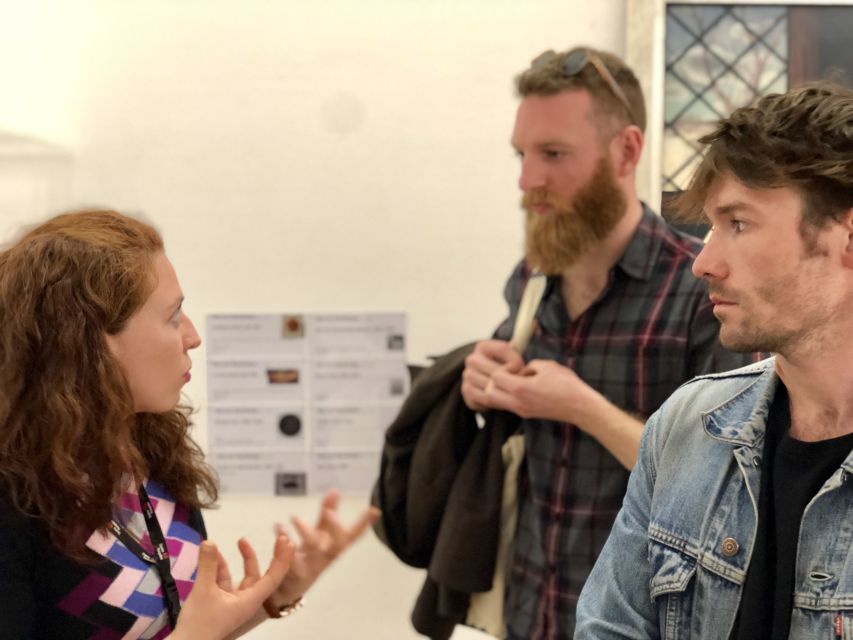
The tour includes a professional local art historian, with guiding available in English, Italian, French, and Spanish. The quality of the explanation matters more here than at a museum where the highlights are self-explanatory.
Almu is one guide associated with this experience. Her approach focuses on the stories and ideas behind the art, with particular attention to the works by Dalí, Picasso, and Miró.
Beatriz is another named guide. Her explanations place the paintings in context and help connect the historical background to what you see in front of you. That can be especially useful at Guernica, where the painting’s political setting is central to understanding its force.
Angel’s approach includes the artists’ personal lives, the period in which they worked, and the development of their artistic styles. He also addresses questions from both artists and people who do not consider themselves art specialists. That flexible approach is valuable in a small group, where the discussion can respond to the interests of the people present.
You cannot necessarily select a specific guide when booking, so treat these names as examples of the kind of expertise available rather than a guarantee. Still, the feedback attached to the experience gives a clear picture of what to value: passion, strong communication, personal stories, and explanations that work for both art students and complete beginners.
Private or semiprivate, which format makes sense?
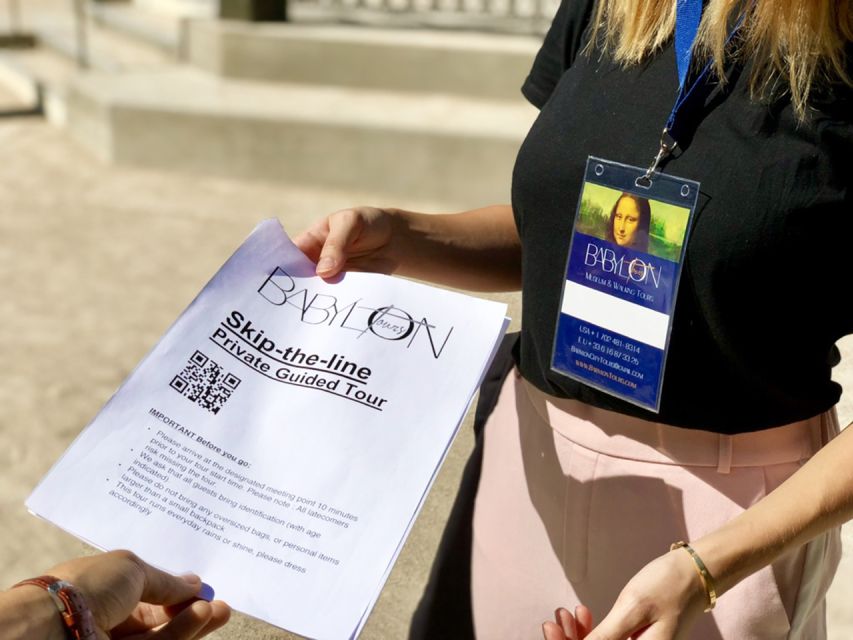
You can choose a private tour or a semiprivate tour with no more than eight participants. The small size is important because modern art often raises questions. In a large crowd, you may hear only a standard speech. In a group of eight or fewer, you have a better chance to ask why a work matters or how one movement differs from another.
A semiprivate tour is the better value for most couples, families, and solo visitors who want guidance without paying for a fully private booking. It requires at least two participants to operate. If that minimum is not met, an alternative date or a full refund will be offered.
A private tour makes more sense if your group has a focused interest, needs a particular pace, or wants more freedom to ask questions. It is also the better choice if you dislike making conversation with strangers or want the guide’s attention directed only to your party.
The exact price of $90 per person should be judged against what is included. You receive entrance fees, skip-the-line access, and a 2.5-hour guided visit with an art historian. For a short stay in Madrid, that can be good value because it removes the work of planning a route through a large collection.
It is not the cheapest way to enter the Reina Sofia. If you enjoy reading wall labels and wandering alone, admission without a guide may suit you better. You are paying for interpretation, time saved, and a carefully chosen route, not simply for the ticket.
A realistic two-and-a-half-hour itinerary
The visit begins at the assigned meeting point, where you connect with your guide and group. Since the meeting location can vary by booking option, read the confirmation carefully and arrive with only a small bag.
After entry, the guide introduces the museum and its former hospital setting before leading you toward the major 20th-century works. The early explanation of artistic movements gives you a framework for the rooms ahead.
The central portion focuses on the best-known artists. You will see Picasso’s Guernica, examine Dalí’s Face of the Great Masturbator, and view Miró’s Man with a Pipe. The precise order can vary, but the aim is to connect the paintings to one another rather than treat each as an isolated masterpiece.
The guide discusses cubism, surrealism, abstractionism, and modernism while relating them to Spanish political and social events. That context is the main difference between this tour and a quick self-guided visit.
The experience finishes at the meeting point after roughly two to two and a half hours. You may leave with a clearer sense of the collection, but you will not have seen every important work in the museum. If you want more time, return on your own and explore the rooms you skipped.
Practical limits to keep in mind
The museum can occasionally close without warning because of decisions by its management. If opening is delayed by more than one hour after the scheduled start, an appropriate alternative is offered, but refunds or discounts are not provided in that situation.
Appropriate dress may be required for entry into some sites included in the tour. The museum itself is the main focus, but sensible, presentable clothing is the safest choice.
Accessibility needs careful checking. The information describes wheelchair-friendly tours as available upon request, while also marking the activity as not suitable for wheelchair users. Do not assume the standard booking will work for you. Contact the provider before reserving and ask specifically about the route, entrance, and any mobility limits.
Food, drinks, hotel pickup, and hotel drop-off are not included. Temporary exhibits are also outside the included admission, so the tour focuses on the permanent collection and the major works named in the experience.
Free cancellation is available up to 24 hours before the tour for a full refund. You can also reserve now and pay later, which helps if your Madrid schedule is still changing.
Who should book this Reina Sofia tour?
I would choose this experience if you have limited time in Madrid, feel uncertain about modern art, or want Guernica to mean more than a famous black-and-white image. It is also a good fit for anyone who prefers conversation and explanation over an audio guide.
The tour suits adults, couples, families with older children, art students, and visitors who want to ask questions. The guides’ ability to explain the art to both artists and non-artists is a useful feature for mixed groups.
I would skip it if your main goal is to inspect every gallery at your own pace. The 2.5-hour route is selective, and the $90 fee may not make sense if you are comfortable doing your own research.
Should you book it?
Book this Reina Sofia tour if you want an efficient, guided introduction to Spain’s modern art and especially to Picasso’s Guernica. The small group, included entrance, and skip-the-line access make the price easier to justify, while the guides add the political and personal context that many first-time visitors miss.
Choose the semiprivate option for the best balance of cost and personal attention. Choose private if the museum is a major priority and you want control over the pace. Just leave your large luggage at your accommodation and confirm accessibility needs before paying.
FAQ
How long does the Reina Sofia guided tour last?
The tour lasts about 2 to 2.5 hours. Starting times vary, so check availability for the date you want.
What languages are available?
Live guiding is available in English, Spanish, French, and Italian.
Does the tour include skip-the-line entry?
Yes. The entrance fee and skip-the-ticket-line access are included.
Which major artworks will I see?
The route includes Picasso’s Guernica, Salvador Dalí’s Face of the Great Masturbator, and Joan Miró’s Man with a Pipe, along with other important works in the museum.
How many people are in the semiprivate group?
Semiprivate tours have a maximum of eight participants. At least two guests are required for the semiprivate tour to run.
Can I bring a suitcase into the Reina Sofia?
No. Large bags and suitcases are not allowed. Only handbags or small, thin backpacks can pass through security.
Is the tour wheelchair accessible?
Wheelchair-friendly tours may be available upon request, but the activity is also marked as not suitable for wheelchair users. Contact the provider before booking to confirm whether the route and entrance meet your needs.
More Skip the Line in Madrid
- Madrid: Royal Palace Expert Guided Tour with Skip-the-Line
★ 4.7 · 6,986 reviews - Madrid: Royal Palace Skip-the-line Guided Tour
★ 4.9 · 3,146 reviews - Madrid: Royal Palace Skip-the-Line Guided Tour
★ 4.5 · 2,140 reviews - Madrid Old Town & Royal Palace Walking Tour Skip the Line Ticket
★ 4.5 · 1,829 reviews
Just added around Madrid
- Private Vacation Photography Session with Photographer in Madrid★ 5.0 · 3 reviews
- Arrival Private Transfer from MAD Airport to Madrid in a Minibus★ 5.0 · 3 reviews
- Segovia: 3-Hour Private Walking Tour★ 5.0 · 3 reviews
- Tour Segovia and La Granja de San Ildefonso from Madrid★ 5.0 · 3 reviews
- Madrid: Prado & Reina Sofia Museum Skip-the-Line Guided Tour★ 5.0 · 3 reviews
- Salamanca: Private Guided Customizable Walking Tour★ 5.0 · 3 reviews
- Total Reboot and Renew with top wellnes 3 hours couple experience★ 5.0 · 3 reviews
- Madrid: Prado Museum Private Tour★ 5.0 · 3 reviews
Reina Sofia Museum Tours, compared.
Reina Sofia Museum Small Group Tour -6 people maximum-
Read our review →
Guided Tour of Reina Sofía Museum with Entry Ticket
Read our review →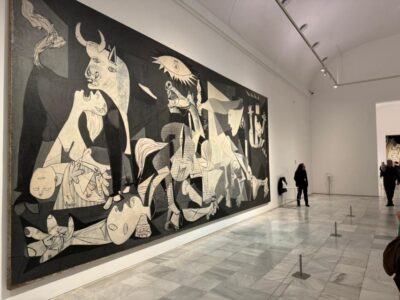
Reina Sofia and Prado Museum Tickets and Guided Tour
Read our review →
Prado Museum with Reina Sofia Museum Guided Tour
Read our review →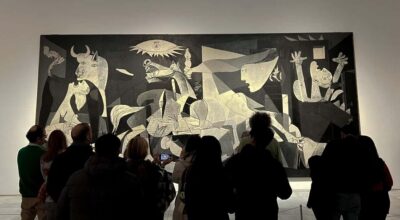
Reina Sofía Guided Tour with Skip-the-Line Tickets
Read our review →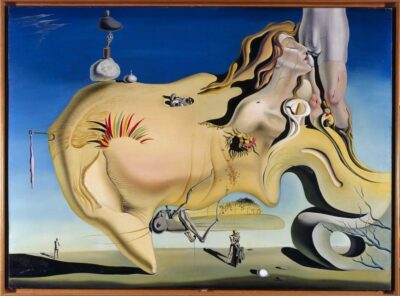
Reina Sofía Museum Ticket with In-App Audio Guide
Read our review →Browse the lists this tour appears in