
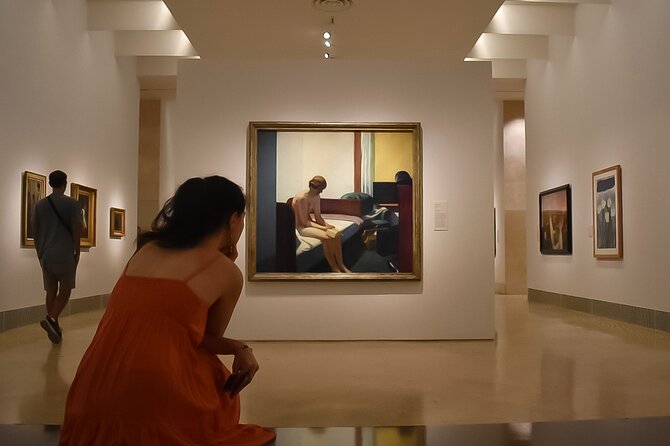
Review · THYSSEN MUSEUM TOURS
Madrid Thyssen Museum Small Group Guided Tour
The best thing about this Thyssen Museum tour is its clear sense of purpose. You are not simply turned loose in a large gallery and handed a map. An English-speaking guide leads you through selected works, explaining how artists, techniques, politics, and changing ideas connect across the collection.
I like the small-group format, which makes it easier to ask questions and follow a real conversation. I also like that admission and an audio system are included, so you can hear the guide without crowding around a whispering tour leader. The main consideration is time: about 90 minutes is enough for highlights, but not enough to see everything.
The Thyssen is a particularly good choice after the Prado because its collection covers a broader sweep of styles and countries in one building. Guides including Alex, Stefi, Belén, Macarena, Cristiana, and Stephanie have been praised for making the art approachable, though the exact guide is not guaranteed.
In This Review
- Key Points to Know Before Booking
- Why the Thyssen Belongs on Your Madrid Art List
- Meeting at Paseo del Prado 8
- The First Minutes Inside the Museum
- A 70-Minute Walk Through Selected Masterpieces
- Why the Small Group Changes the Experience
- A Collection That Moves Beyond One Artistic Tradition
- What the Guides Do Best
- Price and What You Receive for $57.23
- Who Will Get the Most from This Tour
- How to Make the Most of Your 90 Minutes
- Cancellation and Practical Booking Notes
- Should You Book the Thyssen Guided Tour?
- FAQ
- How long does the Madrid Thyssen Museum tour last?
- What is included in the tour price?
- Is the tour offered in English?
- Where does the tour meet?
- Where does the tour end?
- How large is the tour group?
- Can I cancel for a full refund?
Key Points to Know Before Booking
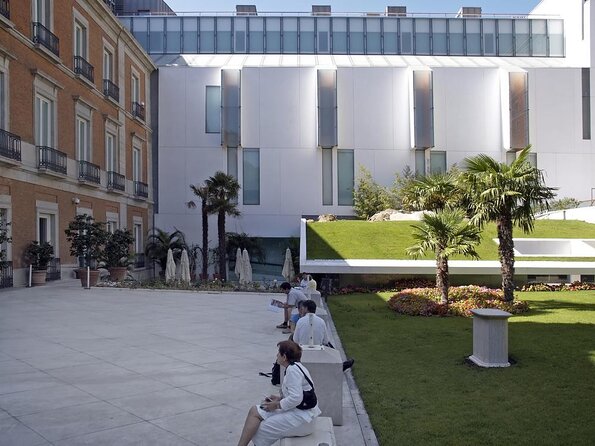
- A focused visit to a huge collection: The tour selects important works rather than trying to cover every gallery.
- Small groups capped at 20 people: Groups may be much smaller, with some tours running with only one to six participants.
- Admission is included: You avoid arranging a separate museum ticket.
- An audio system helps: You receive an audio system at the entrance so the guide is easier to hear.
- Guides bring different strengths: Alex is praised for art history and storytelling, while Stefi, Belén, Macarena, and others are known for clear, lively presentations.
- Plan extra time if you love museums: The guided portion is short enough to leave you wanting more, so consider exploring on your own afterward.
Why the Thyssen Belongs on Your Madrid Art List
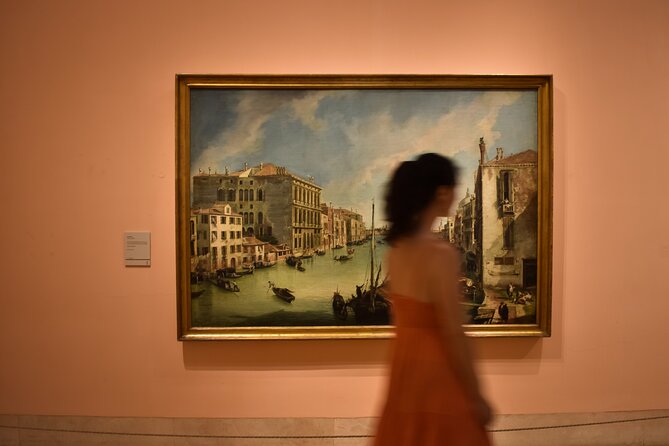
Madrid’s famous art triangle is often reduced to the Prado, Reina Sofía, and Thyssen-Bornemisza museums. The Thyssen can be the easiest to overlook, but that would be a mistake.
The Prado is the essential stop for Spanish masters and major European paintings. The Reina Sofía is the place for modern Spanish art, especially Picasso’s Guernica. The Thyssen offers something different: a private collection that moves from medieval painting through the Renaissance, Baroque, Impressionism, modernism, and contemporary art.
That range gives the museum an unusual rhythm. You can move from one era to another without committing the entire day to a single school or country. The collection includes familiar names such as Picasso, Monet, Degas, and Manet, along with modern works by Roy Lichtenstein and artists from many different traditions.
I find this kind of museum especially useful when you want to understand how art changes over time. A guide can point out shifts in color, composition, subject, and technique that are easy to miss when you walk through alone.
The collection also has a personal story. It was assembled by Baron Hans-Heinrich Thyssen-Bornemisza, and the decisions behind the collection help explain why the museum feels so varied. You are not looking at a narrow national collection. You are seeing one family’s changing taste and ambition across centuries.
More Thyssen-Bornemisza visits:
- Museo Nacional Thyssen-Bornemisza with Skip the line ticket
★ 4.5 · 435 reviews - Madrid: Thyssen Museum Guided Tour with Skip-the-Line Entry
★ 4.5 · 165 reviews - Madrid: Thyssen-Bornemisza Museum Guided Tour & Entry Ticket
★ 4.6 · 70 reviews
Meeting at Paseo del Prado 8
The meeting point is the Thyssen-Bornemisza National Museum at Paseo del Prado, 8, in Madrid’s Centro district. Your guide meets you at the museum gate and takes you to the entrance.
That simple arrangement matters in a city where large museums can have several doors, security areas, and ticket lines. You do not need to figure out where the group is going once you arrive. The tour ends back at the same meeting point.
The museum is near public transportation, so it fits easily into a day around the Prado and Reina Sofía. The practical advantage is that you can build a loose art-museum route without arranging a separate taxi or transfer between these central sights.
Confirmation is provided at booking. Bring the booking details with you, and arrive with enough time to locate the gate calmly. The supplied information does not give a precise late-arrival policy. One guide did accommodate a late participant, but you should not count on that. A group visit works best when everyone begins together.
The First Minutes Inside the Museum
Once the group reaches the entrance, the guide arranges the Thyssen admission and provides an audio system. This is more useful than it may sound.
Museums can be quiet, echoing places. A guide speaking at a normal volume may be hard to hear, especially when other groups are nearby. With the audio equipment, you can keep your attention on the painting rather than trying to stand shoulder to shoulder with the guide.
The audio system also lets the guide maintain a sensible distance from the artwork. That is good for the group and good for the museum. You can stand where you have a clear view while still following the explanation.
The group limit is 20 people, which is smaller than many standard museum outings. In practice, the tours described by the provider have sometimes been far smaller: one person, three people, four people, or six people. A group of that size can feel close to a private visit, with more room for questions and follow-up.
Still, the maximum matters. If your group reaches 20, you should expect less personal attention than in a party of four. The small-group label is a useful advantage, but it does not promise a private tour.
A 70-Minute Walk Through Selected Masterpieces
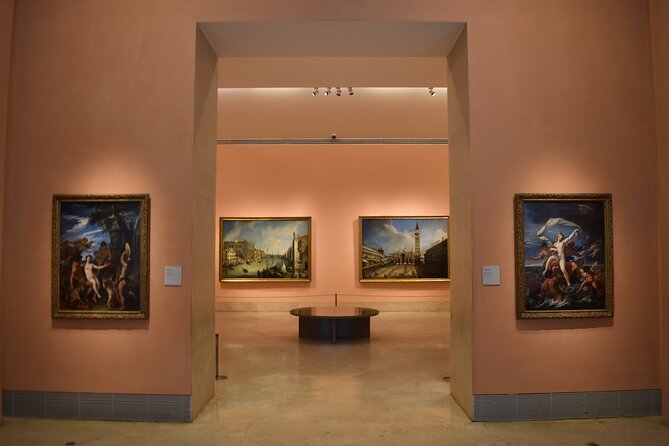
The museum portion is listed at about 1 hour and 10 minutes, while the full activity lasts roughly 1 hour and 30 minutes. That distinction is worth noting. The overall time includes meeting at the gate, entering, receiving the audio system, and beginning the visit.
The guide does not attempt to show every painting. That would be impossible in such a short time and would leave you with a blur of names and dates. Instead, the route focuses on important and representative works from different periods.
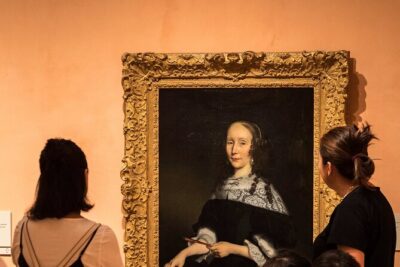
You might examine a painting for its subject, then shift to the artist’s method. The guide may explain why a certain composition mattered, how a technique changed the way light was shown, or how an artwork fits into a larger movement. The strongest part of this format is the connection between individual paintings and the wider development of European art.
The guides also adapt the conversation to the group. Alex has been praised for answering questions and making artworks come alive through stories. Stefi is known for linking art to politics, geography, and the personal choices behind the collection. Belén is praised for selecting key works from several eras and explaining them in a clear way.
Macarena has been described as engaging and enthusiastic, with particular attention to art history, techniques, and the ideas of different periods. Cristiana has been praised for sharing details and responding carefully to questions. These descriptions suggest a useful range of guiding styles, though your actual guide will depend on the schedule.
The tour is not an art-history lecture that leaves you on your own. It is built around conversation. You can ask why a painting matters, what makes a style different, or how the museum came to own a particular work.
More museums in Madrid:
- Madrid: Prado Museum Entry Ticket
★ 4.6 · 17,509 reviews - Madrid: Reina Sofía Museum Entrance Ticket
★ 4.5 · 6,889 reviews - Madrid: Small Group of Prado Museum Tour & Optional Tapas
★ 4.6 · 2,437 reviews - Madrid: Prado Museum Guided Tour with Skip-the-Line Ticket
★ 4.5 · 2,018 reviews
Why the Small Group Changes the Experience
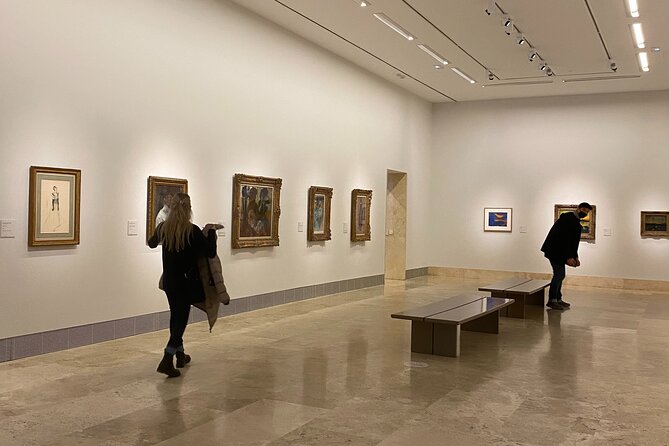
Small groups are most valuable in museums because they change how easily you can participate. In a large group, you may hesitate to interrupt or may not hear the answer to a question asked at the back. With fewer people, the guide can pause and respond.
Several tours have been especially small, including one-person and three-person visits. At that size, the guide can adjust the route to your interests. If you want more time with a certain artist or period, you have a better chance of receiving it.
A six-person group can offer a similar benefit without feeling too formal. One participant described the experience as almost private, with the guide taking time to interact with everyone. That is the sweet spot for many museum visitors: enough people for discussion, but not enough to turn the tour into a march.
There is one trade-off. A small group can be less predictable than a fixed private tour. If several people have different interests, the guide still has to keep the visit moving. The 70-minute museum schedule places a natural limit on how long you can linger at each painting.
For that reason, I suggest treating the tour as an introduction rather than a complete museum visit. Let the guide give you the framework, then return to the galleries that caught your attention.
A Collection That Moves Beyond One Artistic Tradition
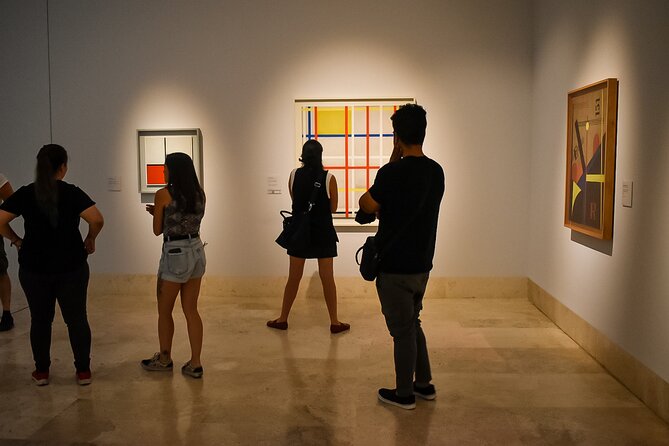
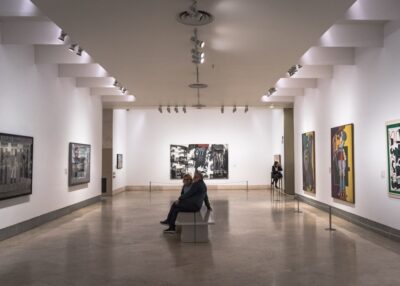
The Thyssen’s variety is its central strength. Some museums are built around one country, one period, or one collecting goal. This museum gives you a more international and chronological view.
That variety is useful if you are not an art specialist. You can see how artists in different places handled similar subjects, or how a technique developed from one period to the next. The guide’s job is to make those comparisons understandable rather than leaving you with a long list of labels.
It also makes the museum a good partner to the Prado. You will still find major European names, but the experience is less tightly tied to the Prado’s core strengths. The Thyssen includes works from the Middle Ages to modern times and presents art from various countries of origin.
The range can also be tiring. Even a compact museum visit may ask you to change visual gears several times. A clear guide helps, but you should not expect every gallery or every major artist to receive equal attention.
One useful feature is photography. The museum allows you to take pictures of the paintings, according to the information supplied for this tour. That can help you remember which works to revisit or compare later. Museum rules can change, so follow the signs and staff instructions on the day.
What the Guides Do Best
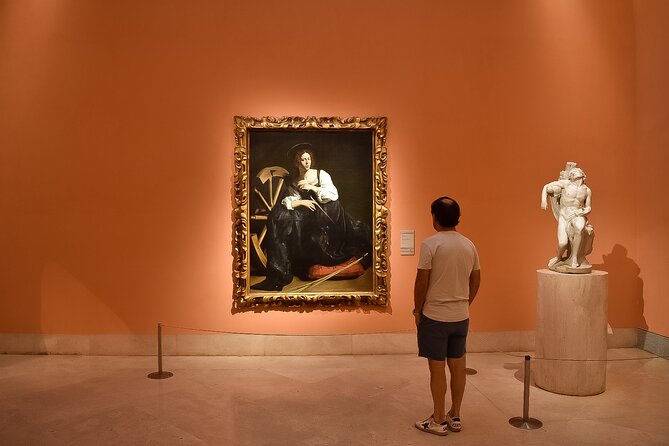
The strongest praise for this experience centers on the guides, not on the mechanics of admission. That is important because a museum ticket alone does not explain why a painting deserves your time.
Alex is repeatedly described as patient, interactive, and enthusiastic. He is especially effective if you want stories about individual works and a broad explanation of art history. He has also been praised for giving a thorough overview even when a participant arrived late.
Stefi, also called Stefania, receives strong praise for her passion and presentation. She has guided visitors through the Thyssen and Reina Sofía, and continuity with the same guide can help if you plan to visit both museums. Her approach connects artworks to political and social settings, techniques, and the history of the collection.
Belén is praised for her communication and for showing visitors both requested paintings and additional works. She appears to be a good match if you want a friendly guide who can shift between your interests and the planned route.
Macarena is described as warm, engaging, and attentive to the differences between artistic periods. Cristiana is praised for answering questions and explaining details across many works. Stephanie is noted for selecting representative pieces when the museum’s size makes a full visit impossible.
The exact guide is not promised, so book this tour for the format and museum access rather than for one specific person. If a named guide is important to you, check availability before paying.
Price and What You Receive for $57.23
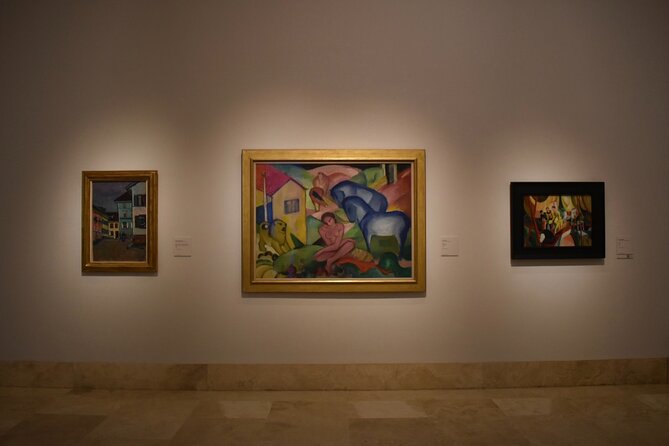
At $57.23 per person, this is not the cheapest way to enter the Thyssen. You are paying for more than a basic admission ticket, though. The price includes the museum ticket, an official guide, and the audio system used during the visit.
The value depends on how you use your time. If you already understand European art and prefer to wander alone, a guided visit may not be necessary. You could find the ticket price harder to justify, especially since the tour covers only selected works.
If you want context, the price is easier to defend. A guide can help you decide which paintings deserve your attention in a museum that spans centuries. You also avoid spending your first half hour trying to build your own route or reading every wall label.
The ticket may also include access to special exhibitions, according to the provider’s information. That can improve the value, but exhibition access can depend on what is showing and the museum’s rules at the time of your visit. Confirm the current arrangement when booking if a special exhibition is important to you.
Group discounts are available. The supplied information does not state the discount amount, so compare the final price for your party before booking.
Who Will Get the Most from This Tour
I would choose this tour for a first visit to the Thyssen, especially if you have limited time in Madrid. It gives you a strong starting point and helps you avoid wandering without a plan.
It also suits you if you are curious about art but do not have much formal background. The guides explain styles, methods, and historical settings in plain terms, according to the details provided about the experience.
Families with older children or teenagers may also benefit. One guide kept a 14-year-old engaged by connecting paintings with artists, world events, and the work involved in making them. That sort of explanation can make a museum feel less like a room full of silent pictures.
Choose it if you like asking questions. The small format is designed for back-and-forth conversation, and the groups may be tiny.
You may prefer a self-guided visit if you want to see every gallery, set your own pace, or spend a long time with one artist. The tour is selective by design. Its strength is direction, not total coverage.
The museum can accommodate service animals, and most people can participate. A guide has also been attentive to mobility challenges. The details provided do not describe specific wheelchair routes or seating arrangements, so contact the provider if you need exact accessibility information.
How to Make the Most of Your 90 Minutes
Before the tour, decide what you most want from the museum. You might be interested in Impressionism, modern art, a particular artist, or the story of the Thyssen family collection.
Tell the guide early in the visit. The route has key works to cover, but a small group gives the guide a better chance to answer targeted questions.
Use the audio system properly. Stay close enough to remain with the group, but do not feel you must stand directly beside the guide. Find a comfortable viewing position and keep the volume at a level that lets you hear without disturbing other visitors.
After the guided portion, spend extra time alone if your schedule allows. The tour cannot cover the entire museum in 70 minutes. Returning to a painting after hearing its story is often when the visit begins to feel personal.
Take notes or photographs where permitted. Since photography is allowed according to the supplied information, you can record the works that you want to research later. Check the museum’s current signs before taking pictures.
Finally, do not schedule the tour too close to another fixed booking. The duration is approximate, and entering a museum with a group can take a little time.
Cancellation and Practical Booking Notes
Free cancellation is available up to 24 hours before the experience begins, based on the local time in Madrid. Canceling less than 24 hours before the start time does not qualify for a refund, and changes made inside that window are not accepted.
The tour is offered in English. It is booked, on average, 35 days in advance, which suggests that popular dates can fill early. I would reserve ahead if your Madrid schedule is fixed, particularly for weekends or a short stay.
Tips are not included. Gratuity is optional, but you can budget for it if your guide gives you a useful, engaging visit.
Should You Book the Thyssen Guided Tour?
Book it if you want an efficient introduction to one of Madrid’s most varied art museums, prefer explanations to silent wandering, and value the chance to ask questions. The included ticket, audio system, and small-group setting make the visit simple, and the guides bring real enthusiasm to the paintings.
Skip it if you already know exactly what you want to see and prefer spending several hours at your own pace. The 90-minute format gives you highlights, not a full museum day.
For most first-time visitors, I would book the tour and then stay longer on your own. Let the guide provide the map, the stories, and the art-history connections. Then return to the works that stayed with you.
FAQ
How long does the Madrid Thyssen Museum tour last?
The activity lasts approximately 1 hour and 30 minutes. The museum visit itself is listed at about 1 hour and 10 minutes, with the remaining time covering the meeting, entrance, and audio system setup.
What is included in the tour price?
The price includes admission to the Thyssen-Bornemisza Museum, an official guide, and the audio system used to hear the guide more clearly.
Is the tour offered in English?
Yes. The experience is offered in English.
Where does the tour meet?
The meeting point is the Thyssen-Bornemisza National Museum at Paseo del Prado, 8, Centro, 28014 Madrid, Spain. The guide meets you at the museum gate.
Where does the tour end?
The activity ends back at the meeting point, the Thyssen-Bornemisza National Museum.
How large is the tour group?
The maximum group size is 20 people. Some scheduled tours may be much smaller, including groups of one, three, four, or six people.
Can I cancel for a full refund?
Yes. You can cancel at least 24 hours before the experience start time for a full refund. Cancellations or changes made less than 24 hours before the start time are not accepted for a refund.
Just added around Madrid
- Private Vacation Photography Session with Photographer in Madrid★ 5.0 · 3 reviews
- Arrival Private Transfer from MAD Airport to Madrid in a Minibus★ 5.0 · 3 reviews
- Segovia: 3-Hour Private Walking Tour★ 5.0 · 3 reviews
- Tour Segovia and La Granja de San Ildefonso from Madrid★ 5.0 · 3 reviews
- Madrid: Prado & Reina Sofia Museum Skip-the-Line Guided Tour★ 5.0 · 3 reviews
- Salamanca: Private Guided Customizable Walking Tour★ 5.0 · 3 reviews
- Total Reboot and Renew with top wellnes 3 hours couple experience★ 5.0 · 3 reviews
- Madrid: Prado Museum Private Tour★ 5.0 · 3 reviews
Thyssen Museum Tours, compared.
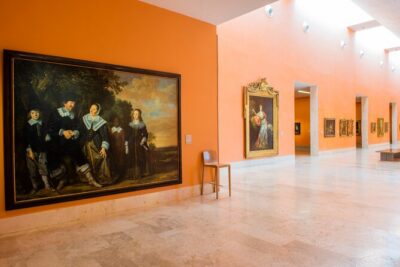
Museo Nacional Thyssen-Bornemisza with Skip the line ticket
Read our review →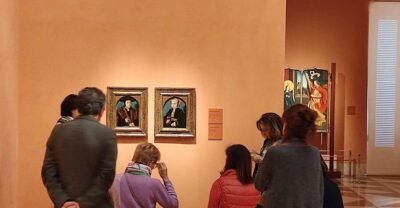
Thyssen Museum Guided Tour with Skip-the-Line Entry
Read our review →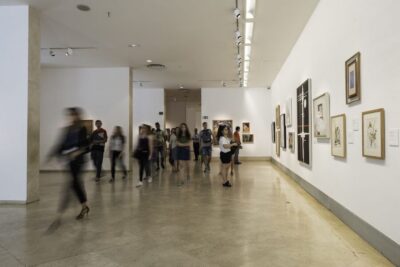
Thyssen-Bornemisza Museum Guided Tour & Entry Ticket
Read our review →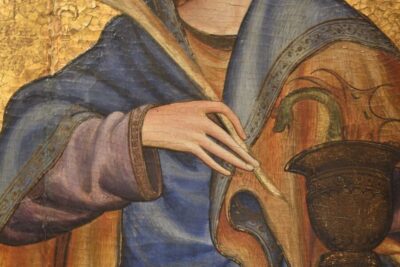
Madrid Thyssen Museum Guided Tour with Small Group
Read our review →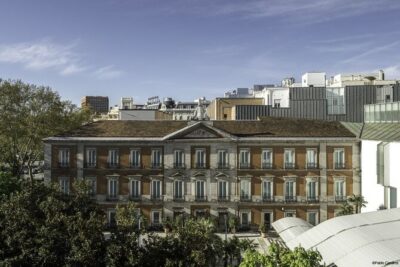
Browse the lists this tour appears in