
Review · ROYAL MONASTERY TOURS
Monastery Royal Barefoot Visit with entrance without waiting for queues
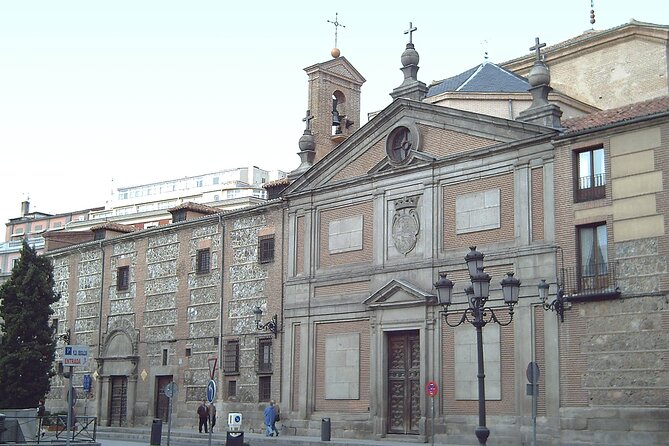
The most surprising thing about Madrid’s Descalzas Reales is what sits behind its quiet convent walls: royal tombs, grand frescoes, Flemish paintings, Italian works, Spanish sculpture, and rooms shaped by centuries of prayer. This is no ordinary church visit. It is a former royal foundation tied closely to Juana of Austria, sister of Philip II and daughter of Charles V.
I like two things here. First, a guide helps you make sense of art that can otherwise feel like a blur of saints, robes, and Latin inscriptions. Second, the small group, limited to 15 people, should make it easier to hear and ask questions. The option to add a walk through Madrid of the Austrias also gives the visit a wider setting.
The main caution is that the experience is fairly short, and the quality of the visit may vary with the guide and the group. Some parts, especially the paintings and architecture, are striking. The tapestries may feel less impressive, and the monastery can close for a solemn event or national holiday.
In This Review
- Key things to know before you book
- Why Descalzas Reales is worth your time
- Inside the former royal convent
- The upper cloister and its chapels
- The choir, tombs, and a continuing convent
- What the art guide adds
- The tapestries may not be the highlight
- Adding Madrid of the Austrias
- Price, timing, and practical value
- Who will enjoy this visit most
- Six things to notice as you walk through
- Should you book Descalzas Reales?
- FAQ
- How long does the experience last?
- What is included in the price?
- Where does the tour start and end?
- How large is the group?
- Can the monastery close?
- Can I cancel or change my booking?
Key things to know before you book
- Royal family connection: Juana of Austria founded the monastery, linking it to Charles V and Philip II.
- Serious art collection: Expect works by artists such as Vicente Carducho, Luca Giordano, Antonio Moro, and Pedro de Mena.
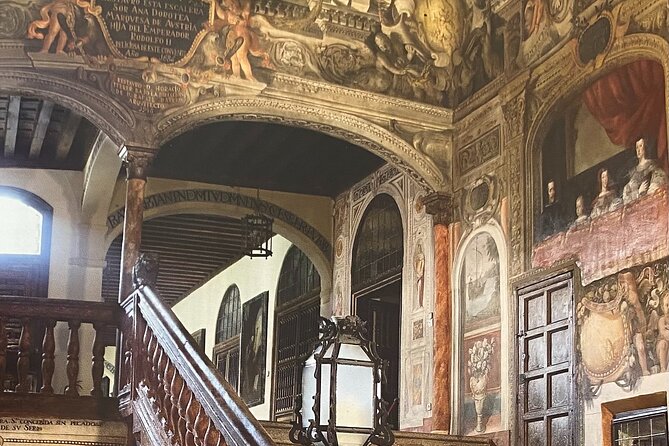
- A remarkable staircase: Frescoes attributed to Claudio Coello decorate the main staircase.
- Two visit choices: Pick the one-hour monastery tour alone or add a one-hour walk through Madrid’s Austrias district.
- Small group size: The maximum is 15 people, useful inside a quiet and historic building.
- Unusual living convent: A community of 18 barefooted nuns still lives in the monastery.
Why Descalzas Reales is worth your time
Madrid has grand palaces, famous art museums, and crowded squares. Descalzas Reales offers something quieter and stranger. It occupies a former royal palace that became a convent, so the building carries both courtly decoration and religious restraint.
Juana of Austria founded the monastery. Her family connections mattered. She was the youngest daughter of Charles V and the sister of Philip II, two of the most powerful figures in 16th-century Europe. That background helps explain why the convent received such fine art and why it became an important royal foundation.
I find the place appealing because it does not present history as a single grand story. You see royal family ties, religious devotion, political power, art patronage, and daily convent life packed into one building. The setting can feel intimate, but the people connected to it were anything but minor.
The visit lasts about one hour if you choose the monastery only. That is long enough to see the main rooms and artworks without making the stop consume half your day. You can also choose the version that adds another hour in Madrid’s Austrias district, making the full experience roughly two hours.
More royal monastery visits:
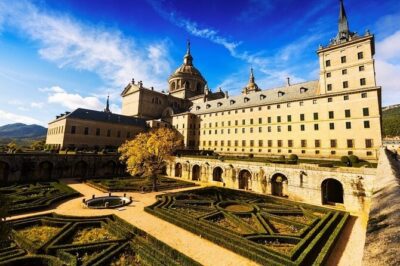
- Escorial Monastery and the Valley of the Fallen Tour from Madrid
★ 5.0 · 2,494 reviews - From Madrid: Escorial Monastery and the Valley of the Fallen
★ 4.7 · 1,434 reviews - Escorial Monastery and the Valley of the Fallen from Madrid
★ 4.0 · 1,023 reviews
Inside the former royal convent
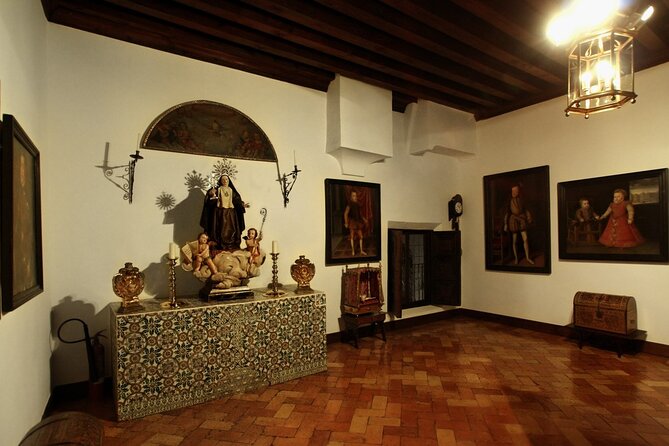
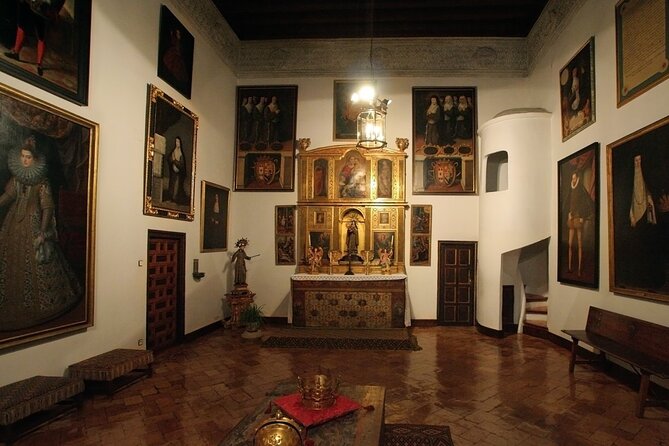
The interior is the main reason to book. You will not simply walk through an empty religious building. The rooms contain a collection of paintings and sculpture from the 16th and 17th centuries, with Flemish, Italian, and Spanish works.
The art includes pieces associated with Vicente Carducho, Luca Giordano, and Antonio Moro. The collection gives you a useful view of how royal and religious institutions gathered art across Europe. It also shows how different artistic styles worked together inside one convent.
Some people come mainly for the building, others for the pictures. You get both. The monastery’s interior has the solemn feel you would expect from a working convent, but parts of it were designed and decorated on a grand scale.
The main staircase frescoes, attributed to Claudio Coello, are among the clearest highlights. A staircase is easy to overlook in a museum, but here it becomes a major visual moment. Look up as you move through it. The decoration helps show how painting was used to turn an everyday architectural feature into a ceremonial space.
The upper cloister and its chapels
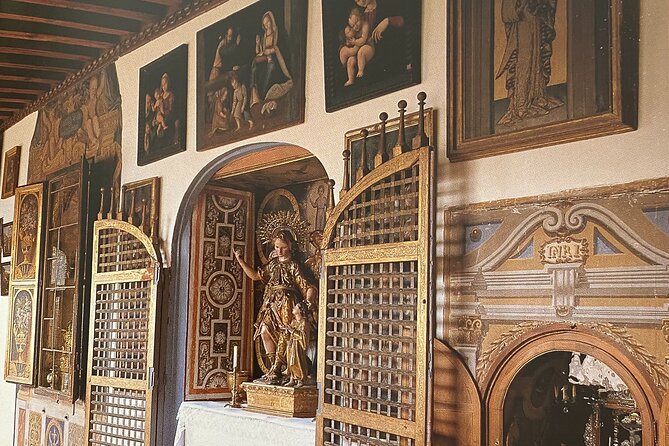
The upper cloister brings together small chapels and devotional images. One important piece is a 16th-century recumbent Christ attributed to Gaspar Becerra. It is carried in a Friday procession, giving the sculpture a living role beyond its artistic value.
That detail matters. Many historic buildings preserve objects that no longer serve their original purpose. At Descalzas Reales, the religious community still prays and maintains its traditions. You are seeing a place that remains active, not simply a preserved shell.
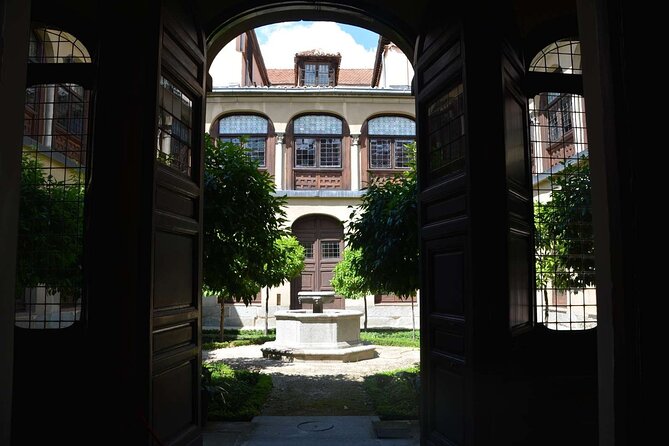
The cloister also gives you a chance to notice smaller details. The floors are carefully maintained, and Latin inscriptions invite patient reading. I would not rush through these areas. The most rewarding moments may come from looking closely at a carved detail or trying to understand an inscription rather than moving straight toward the next major painting.
Two interior gardens are part of the setting. Their exact experience will depend on what is open during your visit, but they add a calmer rhythm to the tour. After the decorated rooms and religious images, these spaces help you understand the monastery as a place of daily life.
The choir, tombs, and a continuing convent
The choir has its original stalls and remains a place where the community gathers to pray. It also contains a Dolorosa by Pedro de Mena, a sculptor known for highly expressive religious figures.
The tombs of Empress María and her daughter, Infanta Margarita, are also here. These burials connect the space directly to the royal family. You are not just hearing about the Habsburg world in a textbook way. You are standing near the remains of people tied to that world.
The community still includes 18 barefooted women. That fact gives the monastery a human presence that many historic sites lack. You may also choose to attend Mass to hear them sing, although the supplied tour details do not say that Mass is part of the guided visit.
Keep your expectations balanced. This is a functioning religious house, not a theatrical show. Access and viewing conditions can be shaped by worship, community life, or a solemn event. That limitation is part of the nature of the place, but it also means the visit may not feel as predictable as a standard museum tour.
A different sort of afternoon around Madrid:
- Madrid: Tour Bernabéu Entry Ticket
★ 4.5 · 21,573 reviews - Madrid: Prado Museum Entry Ticket
★ 4.6 · 17,509 reviews - Madrid: Royal Palace Fast-Access Admission Ticket
★ 4.6 · 13,856 reviews - Madrid: “Emociones” Live Flamenco Performance
★ 4.8 · 12,866 reviews
What the art guide adds
A guide is especially useful here because the collection is varied and the building’s story is layered. Without context, you might see a Flemish painting, a Spanish sculpture, and a royal tomb as separate objects. With an art-focused explanation, you can connect them to the monastery’s founders, patrons, and religious purpose.
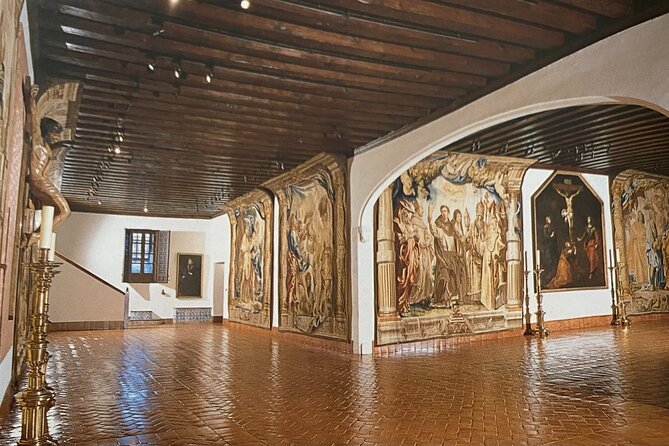
The tour covers the history of Juana of Austria and explains her connection to Charles V and Philip II. It also points out the tapestries commissioned by Isabel Clara Eugenia, along with the paintings and sculpture.
The guide can help you identify what deserves your attention. Look for the difference between a work intended for private devotion and one designed to impress a wider audience. Notice how the monastery combines quiet prayer spaces with art made to signal status and wealth.
The available feedback points to a guide who was friendly, patient, and clear when answering questions. No guide’s name is provided, so you should not book expecting a particular individual. Still, the small group limit of 15 is a practical advantage. In a quiet interior, a large group would make it harder to follow an explanation or pause at a work of art.
The tapestries may not be the highlight
The monastery’s tapestries receive attention during the visit, including pieces commissioned by Isabel Clara Eugenia. They are part of the building’s royal and artistic story, but they may not impress you as much as the frescoes, paintings, or sculpture.
That is worth knowing before you arrive. If you are booking mainly for spectacular woven scenes, you may find this portion uneven. I would treat the tapestries as part of the larger story rather than the sole reason to come.
The paintings and architectural details offer more variety. The collection includes Flemish, Italian, and Spanish works, so the visit is not limited to one national school. The contrast between painting styles can also make the tour more interesting, especially when the guide explains how the works reached the monastery.
Adding Madrid of the Austrias
The longer option adds a one-hour walk through Madrid of the Austrias. This is the historic center shaped by the Austrian dynasty, known in Spain as the Habsburgs.
The walk includes the Plaza Mayor and Plaza de la Villa, along with other emblematic buildings. It also brings in stories and legends connected to the Austrian period. That makes the add-on useful if you want to connect the monastery to the city around it rather than treating the building as an isolated stop.
I like this pairing because the monastery gives you an indoor look at royal power and religious life, while the walk shows how the dynasty shaped Madrid’s public spaces. You get a better sense of the city’s older core.
The added walk may suit you if this is your first visit to Madrid or if you want a compact introduction to the historic center. If you already know the plazas well, the monastery-only option may be enough. The supplied details do not specify the exact walking route beyond the Plaza Mayor, Plaza de la Villa, and other Austrias buildings, so do not book it expecting a fixed list of every street or monument.
Price, timing, and practical value
The listed price is $34.62 per person. Tickets and the guided visit are included, while drinks and tips are not.
For the monastery-only version, the value depends on how much you want context. The entry ticket alone gets you inside, but the guide helps explain the royal family, religious community, artworks, and architectural details. If you enjoy art and history, that added explanation can make the price reasonable.
The longer version gives you about two hours of guided sightseeing. That makes the price easier to justify if you want both the convent and an introduction to Madrid’s Austrias district. You are paying for a focused history experience rather than a full-day tour.
The activity is often booked about 33 days in advance. That suggests you should plan ahead, especially if your Madrid dates are fixed. Confirmation is provided at booking, and the meeting point is the monastery itself at Plaza de las Descalzas, 3, in the Centro district.
The site is near public transportation, and most people can participate. The tour begins and ends at the same meeting point. Since the visit involves a historic religious building, you should allow a little flexibility for access changes linked to worship or official closures.
Entry is advertised without waiting in the regular queues. That can matter in Madrid, where a short attraction visit can become awkward if you lose time outside. Still, the experience is not designed as a rapid photo stop. You need time to listen, look upward at the frescoes, and pay attention to the smaller devotional details.
One important booking point: the experience is non-refundable and cannot be changed for any reason. If the minimum number is not reached and the operator cancels, you will be offered another date or experience, or receive a full refund. That protection does not apply to a cancellation you make yourself.
Who will enjoy this visit most
I would choose this tour if you like art, religious buildings, royal history, or unusual places that still serve their original purpose. It also suits you if the idea of a small convent with royal connections appeals more than another large museum.
The tour is a good fit for first-time visitors who want a compact history lesson in central Madrid. The optional Austrias walk makes it more useful as an introduction to the city’s older center.
You may want to skip it if your main interest is modern Madrid, nightlife, or large open galleries. The setting is quiet and serious, and the visit depends on artworks and historical explanation rather than spectacle.
Families and mixed-age groups can also consider it, since most people can participate and the visit lasts only one to two hours. Younger children may find the religious material slow, but the royal connections, tombs, and decorated rooms can give the visit a clear story.
Six things to notice as you walk through
- Look closely at the Claudio Coello frescoes on the main staircase.
- Notice the contrast between the original choir stalls and the expressive Dolorosa by Pedro de Mena.
- Keep an eye out for works linked to Vicente Carducho, Luca Giordano, and Antonio Moro.
- Ask about the recumbent Christ attributed to Gaspar Becerra and its Friday procession.
- Pay attention to the Latin inscriptions and the carefully maintained floors.
- Remember that the monastery remains home to a community of 18 barefooted women.
Should you book Descalzas Reales?
I would book it if you want a focused, art-centered visit with a strong royal connection and a guide to explain what you are seeing. The no-queue entry, small group size, and central location make it a practical addition to a day in Madrid.
Choose the longer version if you want the monastery placed within the story of Madrid’s Austrias district. Choose the shorter version if your schedule is tight or you already plan to explore Plaza Mayor and Plaza de la Villa independently.
Go in expecting an uneven collection rather than nonstop grandeur. The frescoes, tombs, paintings, choir, and continuing convent life are the strongest reasons to visit. The tapestries may leave you cooler. At $34.62, the experience makes the most sense for you if the guide’s historical and art explanation matters as much as the entrance itself.
FAQ
How long does the experience last?
The monastery visit lasts about one hour. If you choose the option that adds a walk through Madrid of the Austrias, the total experience lasts roughly one to two hours.
What is included in the price?
Tickets and the guided visit are included. Drinks and tips are not included.
Where does the tour start and end?
It starts at Monasterio de las Descalzas Reales, Plaza de las Descalzas, 3, Centro, Madrid. The activity ends back at the same meeting point.
How large is the group?
The maximum group size is 15 people.
Can the monastery close?
Yes. The monastery may close because of a solemn event or a national holiday.
Can I cancel or change my booking?
No. This experience is non-refundable and cannot be changed for any reason. If the operator cancels because the minimum number of participants is not reached, you will be offered another date or experience, or receive a full refund.
Just added around Madrid
- Private Vacation Photography Session with Photographer in Madrid★ 5.0 · 3 reviews
- Arrival Private Transfer from MAD Airport to Madrid in a Minibus★ 5.0 · 3 reviews
- Segovia: 3-Hour Private Walking Tour★ 5.0 · 3 reviews
- Tour Segovia and La Granja de San Ildefonso from Madrid★ 5.0 · 3 reviews
- Madrid: Prado & Reina Sofia Museum Skip-the-Line Guided Tour★ 5.0 · 3 reviews
- Salamanca: Private Guided Customizable Walking Tour★ 5.0 · 3 reviews
- Total Reboot and Renew with top wellnes 3 hours couple experience★ 5.0 · 3 reviews
- Madrid: Prado Museum Private Tour★ 5.0 · 3 reviews
Royal Monastery Tours, compared.
Escorial Monastery and the Valley of the Fallen Tour from Madrid
Read our review →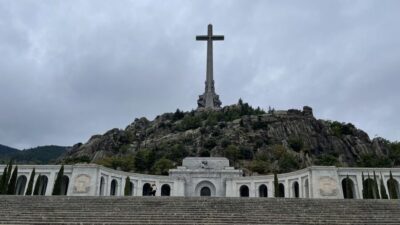
Escorial Monastery and the Valley of the Fallen
Read our review →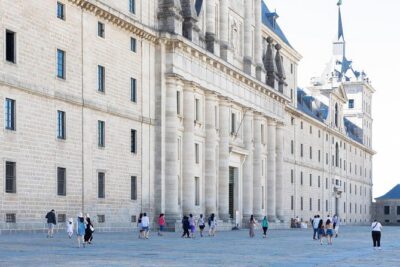
Escorial Monastery and the Valley of the Fallen from Madrid
Read our review →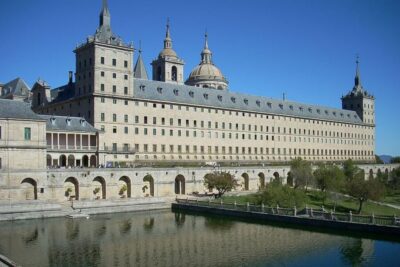
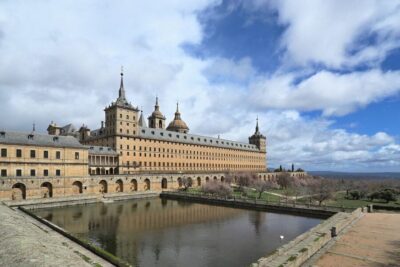
Private VIP visit El Escorial Palace, Monastery, Villa & Garden
Read our review →Browse the lists this tour appears in