
Review · ROYAL MONASTERY TOURS
Private VIP visit El Escorial Palace, Monastery and Gardens
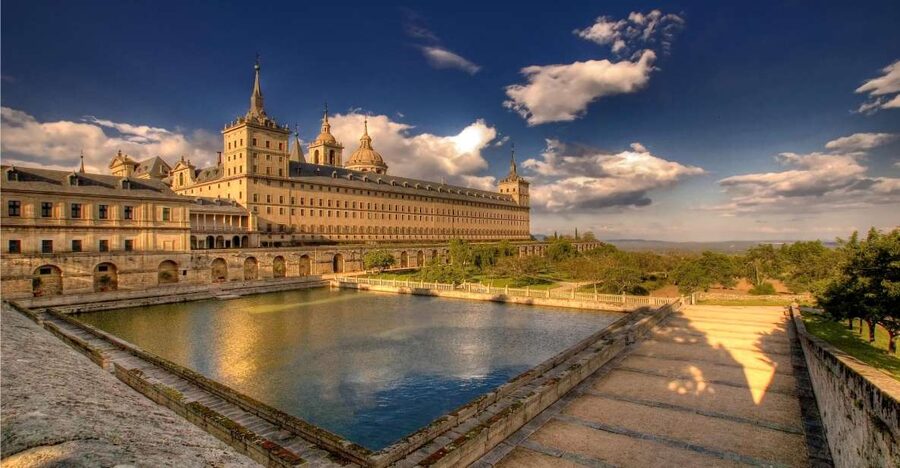
El Escorial is not just another grand Spanish palace. It is a vast 16th-century monastery, royal residence, basilica, library, and burial place built around the ambitions of Philip II. The grill-shaped design, tied to Saint Lawrence, gives the complex an unusual severity, while the Royal Crypts and Laurentian Library reveal its power, faith, and hunger for knowledge.
I like that this is a private visit, so your guide can adjust the pace and explain the building in a way that fits your interests. I also like the range of rooms included: you see the basilica, palace, gardens, crypts, and library rather than only the most photogenic courtyard. The main consideration is mobility. This is a large historic complex, and the activity is not suitable for people with mobility impairments.
In This Review
- Key points to know before booking
- Why El Escorial deserves a place on your Madrid itinerary
- Reaching San Lorenzo from Madrid
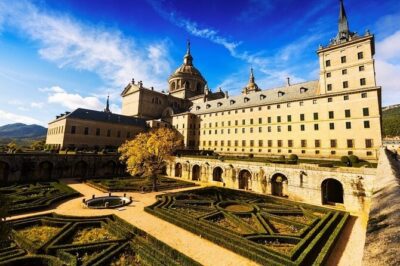
- First impressions of the Renaissance monastery
- The Basilica and its place at the center
- The Royal Crypts and Spain’s monarchy
- The Laurentian Library and Philip II’s intellectual world
- The Habsburg palace rooms
- Gardens and the village of San Lorenzo
- What the private format changes
- Is $129 good value for three hours?
- Timing, pace, and practical limits
- Who should book this El Escorial visit?
- My verdict on the private El Escorial tour
- FAQ
- Where does the tour meet?
- How far is El Escorial from Madrid city center?
- Is public transportation available?
- How long does the tour last?
- Is the tour private?
- Which languages are available?
- What parts of El Escorial are included?
- Are entry tickets included?
- Are headsets provided?
- Is the tour suitable for people with mobility impairments?
- Can I cancel for a full refund?
- Do I have to pay when I book?
Key points to know before booking
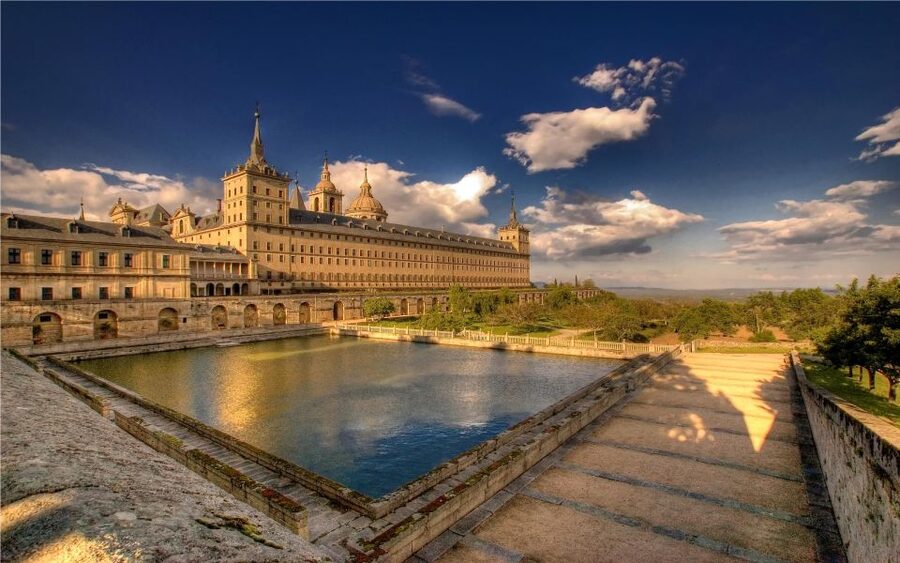
- Philip II’s royal project: See the monastery and palace built during Spain’s Golden Age.
- The Royal Crypts: Visit the burial place of Spain’s kings and queens.
- The golden library: Enter the Renaissance library associated with Philip II’s humanist interests.
- Private guiding: Your group receives an official guide in English or Spanish.
- More than palace rooms: The visit includes the Basilica, gardens, monastery, palace, crypts, and nearby village.
- Easy Madrid side trip: El Escorial is about 40 minutes from Madrid, with public transportation available throughout the day.
Why El Escorial deserves a place on your Madrid itinerary
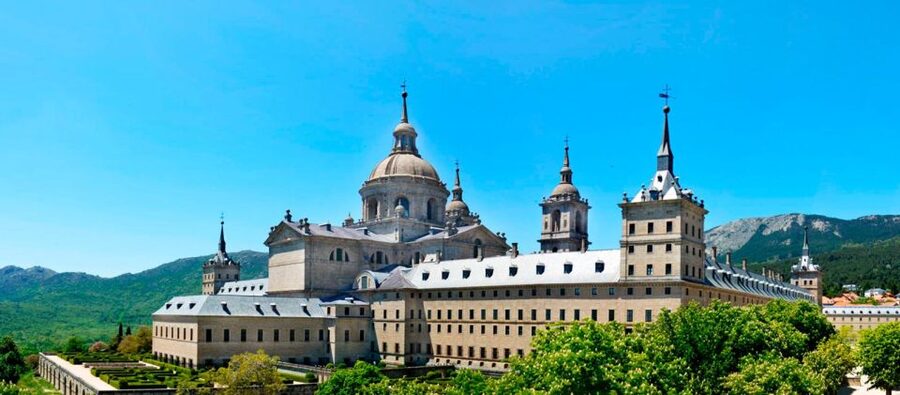
Madrid has no shortage of royal sights, but El Escorial feels different from the city’s palace museums. Here, royal life, Catholic devotion, military symbolism, scholarship, and death all share one enormous complex.
Philip II ordered the building after the Battle of Saint Quentin in 1557, and the site became closely linked to Saint Lawrence. The building’s shape recalls a grill, Saint Lawrence’s traditional symbol. You do not need to be an architecture expert to appreciate the effect. The design feels deliberate, controlled, and serious from the moment you enter.
A private guide helps because El Escorial can otherwise seem like a sequence of grand rooms without a clear thread. The best explanations connect each space to Philip II’s political and religious goals. You learn why a royal residence sits beside a monastery, why the basilica dominates the complex, and why the library mattered so much to the king.
The experience is also useful for travelers who want context rather than a quick photo stop. You are not simply looking at old stone. You are tracing how Spain presented itself during the reign of Philip II, when royal authority and Catholic faith were closely joined.
More royal monastery visits:
- Escorial Monastery and the Valley of the Fallen Tour from Madrid
★ 5.0 · 2,494 reviews - From Madrid: Escorial Monastery and the Valley of the Fallen
★ 4.7 · 1,434 reviews - Escorial Monastery and the Valley of the Fallen from Madrid
★ 4.0 · 1,023 reviews
Reaching San Lorenzo from Madrid
The meeting point is at Av. de Juan de Borbón y Battenberg, 6, in San Lorenzo de El Escorial. The journey takes only about 40 minutes from Madrid city center, and public transportation is available throughout the day.
That makes this a practical half-day outing. You do not need to surrender an entire day of sightseeing in Madrid, though you should leave enough time to reach the meeting point comfortably. The activity itself lasts three hours, so allow extra time before and after for transportation and perhaps a meal or short walk in the village.
The private format matters here. If you arrive on your own, your guide meets you at the stated location and takes charge of the visit. Entry tickets are included, and the experience includes an express security check, which helps reduce time spent getting inside.
Check the available starting times before booking. The meeting point is specific, and El Escorial is outside central Madrid, so this is not a tour to squeeze in between two city-center appointments.
First impressions of the Renaissance monastery
The monastery is the main event, but its size can make the first few minutes confusing. A local official guide gives you a useful framework before the rooms begin to blur together.
The complex was built during the 16th century and combines several functions. It is a monastery, a basilica, a royal palace, a burial site, and a place of study. That mixture explains why the visit feels more serious than a typical palace tour.
Look for the contrast between the building’s restrained exterior and its more decorated interior spaces. The overall design reflects order and control, while the church and library show how art and learning served the power of the crown.
Your guide can also explain the Spanish Golden Age and the reign of Philip II in practical terms. Instead of treating the period as a list of dates, the tour links the building to the king’s ideals. That historical thread is one of the strongest reasons to choose a private visit.
The Basilica and its place at the center
The Basilica of Saint Lawrence is one of the essential stops. Its scale gives you a quick sense of how important religion was to the royal project.
The church is not simply an ornate chapel attached to a palace. It was designed as the spiritual heart of the complex. As you move through it, pay attention to the relationship between the main church and the surrounding monastery.
This is a good point to listen closely to the guide’s architectural explanation. The basilica can be impressive at first glance, but its meaning becomes clearer when you understand how it fits into Philip II’s plan for the site.
If you prefer art and architecture, this may be the part of the tour that holds your attention longest. If royal family stories interest you more, the guide’s transition from the basilica to the crypts gives the visit a human focus.
More El Escorial trips:
- From Madrid: El Escorial and Valley’s Basilica Half Day Tour
★ 4.4 · 638 reviews - From Madrid: Escorial Monastery & Valley of the Fallen Trip
★ 4.4 · 389 reviews - Royal Site of San Lorenzo de El Escorial Entrance Ticket
★ 4.4 · 239 reviews - From Madrid: El Escorial, Valley and Segovia Day Trip
★ 4.5 · 134 reviews
The Royal Crypts and Spain’s monarchy
The Royal Crypts bring the history of the Spanish monarchy down to a more personal scale. This is where the grandeur of the palace meets the reality of royal death and succession.
You see the burial place of Spain’s kings and queens, an important stop for understanding the role of El Escorial as a royal mausoleum. The crypts are less about decoration than about continuity. Each generation of monarchs is connected to the institution that Philip II built.
The atmosphere is solemn, and some visitors may find this part less comfortable than the bright library or open gardens. I consider it essential, though, because it explains why El Escorial was more than a residence or a monastery.
Your guide can also help you understand the crypts within the larger political story. Royal burial sites are never just private spaces. They communicate legitimacy, ancestry, and the right to rule.
The Laurentian Library and Philip II’s intellectual world
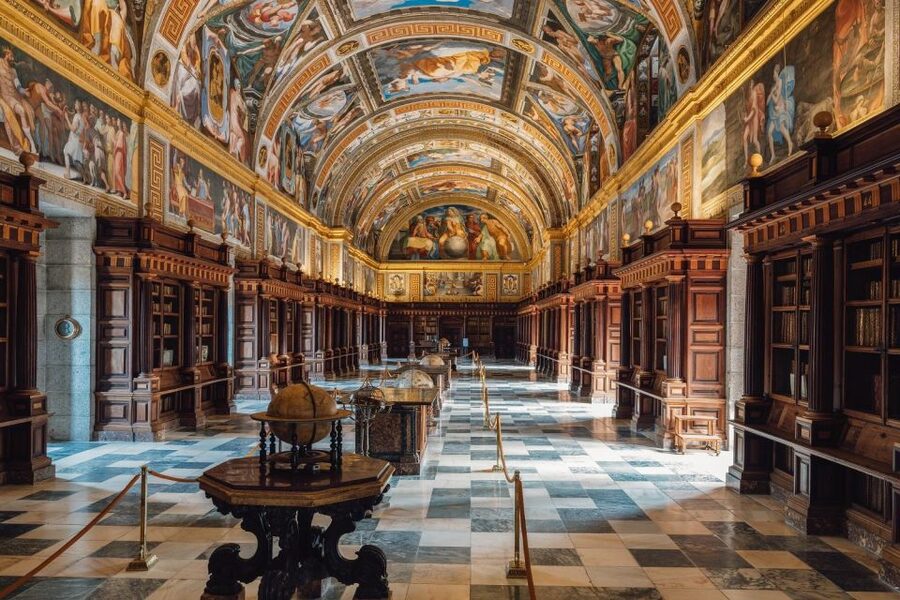
The Renaissance Library, often called the Laurentian Library, is one of the most distinctive parts of the visit. Its decorated ceiling and golden appearance make it visually memorable, but the books and their purpose are just as important.
Philip II gathered volumes connected to broad humanist learning. The library reflects a monarch who wanted access to theology, science, history, and other fields of study. That does not make the room less political. Knowledge itself was part of royal power.
I would pay close attention here, even if libraries are not usually high on your sightseeing list. The room gives you a different picture of Philip II. The palace rooms show authority and ceremony, while the library shows how learning supported the ambitions of the crown.
The library is also a fine example of why a guide adds value. Without explanation, you might notice the ceiling and move on. With context, the room becomes a window into Renaissance education, royal collecting, and Spain’s place in European intellectual life.
Photography rules and access conditions can vary at historic sites, so follow the guide and staff instructions inside.
The Habsburg palace rooms
The Habsburg palace portion brings you closer to the private and dynastic side of El Escorial. These rooms help balance the public scale of the basilica and monastery.
The palace is linked to the Habsburg rulers and to Philip II’s use of the complex. You see how royal living space was placed within a building that also served religious and administrative purposes.
Do not expect a modern palace experience built around flashy decoration in every room. El Escorial’s appeal lies in the way its spaces work together. The Habsburg rooms make more sense after you have seen the basilica and crypts, because you can compare royal life with royal ceremony and burial.
A private guide can also spend more or less time here based on your interests. The guide names Ana and Pablo have been especially praised for explaining the site clearly and adapting the visit to the group’s previous knowledge. That flexibility is useful in rooms where the details can otherwise feel dense.
Gardens and the village of San Lorenzo
The gardens provide a welcome change after the interior rooms. They give you room to breathe and a different view of the complex.
The gardens are part of the Renaissance design, not an unrelated add-on. Their layout helps you understand the connection between architecture, order, and royal planning. Depending on the season and conditions, you might find the outdoor portion especially useful for photographs and a quieter pause.
The tour also includes a walk through the nearby village, where you can see how San Lorenzo relates to the monastery. This adds a present-day layer to the visit. El Escorial is not an isolated monument sitting in a field. It is tied to a living town with its own local setting.
Do not treat the village walk as a second major sightseeing tour. The main focus remains the monastery and palace. Instead, think of it as a short extension that helps you place the monument in its surroundings.
What the private format changes
A private group is the clearest advantage of this experience. You are not following a large crowd or trying to hear a guide from the back of a room.
Your guide can match the explanation to your interests. If you already know Spanish history, you can ask for finer points about Philip II, the Habsburgs, or Renaissance culture. If the period is new to you, the guide can slow down and explain the basic story before adding detail.
The strongest guide feedback centers on personal attention. Ana has been praised for guiding in both English and Spanish, adjusting explanations to the group’s prior knowledge, and avoiding a rushed pace. One group also appreciated receiving a personal message before the appointment, which suggests useful communication before the visit. Pablo has also received praise for making a private tour both informative and enjoyable.
Guides can vary by date, so you should not book solely on the expectation of one named person. Still, the experience is designed around an official local guide, not an audio guide or a self-guided route.
Headsets are provided if required. That is helpful if the site is busy or if your group is spread out inside larger rooms.
Is $129 good value for three hours?
At $129 per person, this is not the cheapest way to see El Escorial. You are paying for a private official guide, admission, an express security check, and a route that covers far more than a single palace wing.
The value depends on how you like to tour. For one person or a couple, the price is a premium. For a family or small group, the private format can make more sense because the cost buys personal attention for everyone rather than a generic explanation shared with a large crowd.
The included range also matters. You are not paying for only the monastery entrance. The visit includes the Basilica, Royal Crypts, library, palace, monastery, gardens, and village highlights. If you would otherwise pay for admission and then try to make sense of the site alone, the guided structure adds real value.
I would choose this tour if El Escorial is a priority and you want to understand what you are seeing. I would skip the private option if you are content to wander independently, have a tight budget, or mainly want a quick look at the exterior.
Timing, pace, and practical limits
The listed duration is three hours. The detailed route describes roughly two hours exploring the monastery and then finishing at the entrance, with the gardens and village included as part of the wider visit. Plan for a substantial walking experience rather than a brief indoor appointment.
The site is large, and the subject matter is serious. You will hear about religion, monarchy, royal burials, architecture, and Renaissance learning in one outing. That makes a steady pace important.
The activity is not suitable for people with mobility impairments. You should consider this carefully before booking because the complex includes several major areas and the tour is designed as an active visit.
The guide speaks English or Spanish. Tickets are included, and you can cancel up to 24 hours before the activity for a full refund. A reserve-now, pay-later option is also available, which helps if your Madrid plans are still shifting.
Who should book this El Escorial visit?
I recommend it most strongly for:
- First-time visitors who want the site explained in plain language
- Couples and families who value a private guide
- Anyone interested in Philip II, the Habsburgs, or Spain’s Golden Age
- Visitors who want to see the crypts and library, not just the palace
- English or Spanish speakers who prefer a live guide
- Small groups willing to pay more for a custom pace
You may prefer another option if you have mobility limitations, dislike long historic-site visits, or want to keep sightseeing costs low. The site is not a quick royal residence stop, and its religious and dynastic themes may not suit every taste.
My verdict on the private El Escorial tour
Book this tour if you want the full story of El Escorial rather than a quick look at a famous building. The combination of the Royal Crypts, Basilica, Habsburg palace, gardens, village, and Laurentian Library gives you a rounded visit, while the private guide helps turn a huge complex into a readable historical experience.
The price is fair for a private three-hour visit with entry included, especially for a small group. Just allow travel time from Madrid, expect plenty of walking, and choose it because you care about the history, not simply because you have a spare morning.
FAQ
Where does the tour meet?
The meeting point is Av. de Juan de Borbón y Battenberg, 6, 28200 San Lorenzo de El Escorial, Madrid, Spain.
How far is El Escorial from Madrid city center?
The activity information places El Escorial about 40 minutes from Madrid city center.
Is public transportation available?
Yes. Public transportation is available throughout the day.
How long does the tour last?
The listed duration is three hours.
Is the tour private?
Yes. The activity is organized for a private group.
Which languages are available?
The live guide is available in English or Spanish.
What parts of El Escorial are included?
The visit includes the monastery, gardens, Saint Lawrence Basilica, Royal Crypts, Habsburg palace, Laurentian Renaissance Library, and highlights of the nearby village.
Are entry tickets included?
Yes. Entry tickets are included in the price.
Are headsets provided?
Headsets are provided if required.
Is the tour suitable for people with mobility impairments?
No. The activity is listed as not suitable for people with mobility impairments.
Can I cancel for a full refund?
Yes. You can cancel up to 24 hours in advance for a full refund.
Do I have to pay when I book?
No. A reserve-now, pay-later option is available, so you can keep your travel plans flexible.
Just added around Madrid
- Private Vacation Photography Session with Photographer in Madrid★ 5.0 · 3 reviews
- Arrival Private Transfer from MAD Airport to Madrid in a Minibus★ 5.0 · 3 reviews
- Segovia: 3-Hour Private Walking Tour★ 5.0 · 3 reviews
- Tour Segovia and La Granja de San Ildefonso from Madrid★ 5.0 · 3 reviews
- Madrid: Prado & Reina Sofia Museum Skip-the-Line Guided Tour★ 5.0 · 3 reviews
- Salamanca: Private Guided Customizable Walking Tour★ 5.0 · 3 reviews
- Total Reboot and Renew with top wellnes 3 hours couple experience★ 5.0 · 3 reviews
- Toledo Private Guided fullday tour from Madrid★ 5.0 · 3 reviews
Royal Monastery Tours, compared.

Escorial Monastery and the Valley of the Fallen Tour from Madrid
Read our review →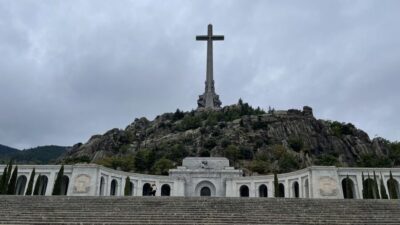
Escorial Monastery and the Valley of the Fallen
Read our review →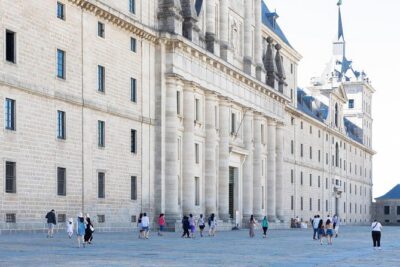
Escorial Monastery and the Valley of the Fallen from Madrid
Read our review →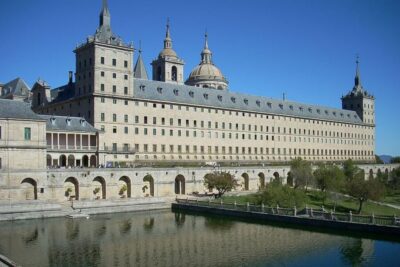
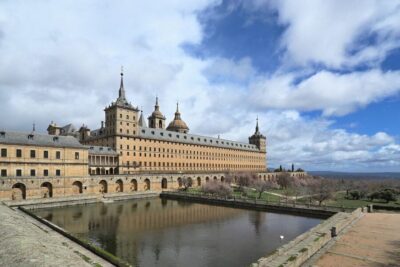
Private VIP visit El Escorial Palace, Monastery, Villa & Garden
Read our review →Browse the lists this tour appears in